
Headstock Tailstock welding positioner
Headstock tailstock welding positioner
The headstock and tailstock robotic welding positioner is an advanced positioning system engineered to support and manipulate long, heavy, or asymmetrical workpieces during robotic welding operations. With synchronized support at both ends, this positioner ensures exceptional rotational stability, minimizes vibration and deflection, and maintains precise weld alignment.
In this section, we take a closer look at how the headstock and tailstock system functions and why it plays such a vital role in modern automated welding environments.
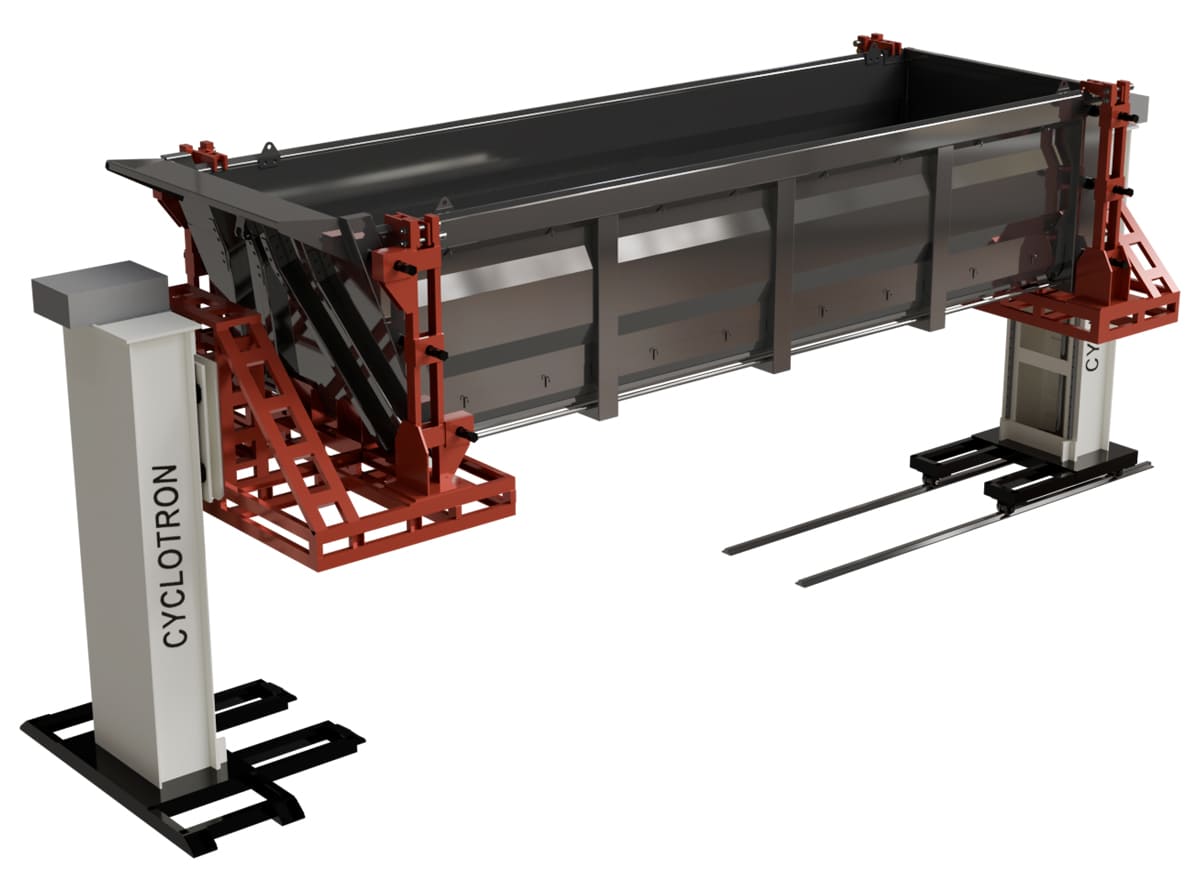
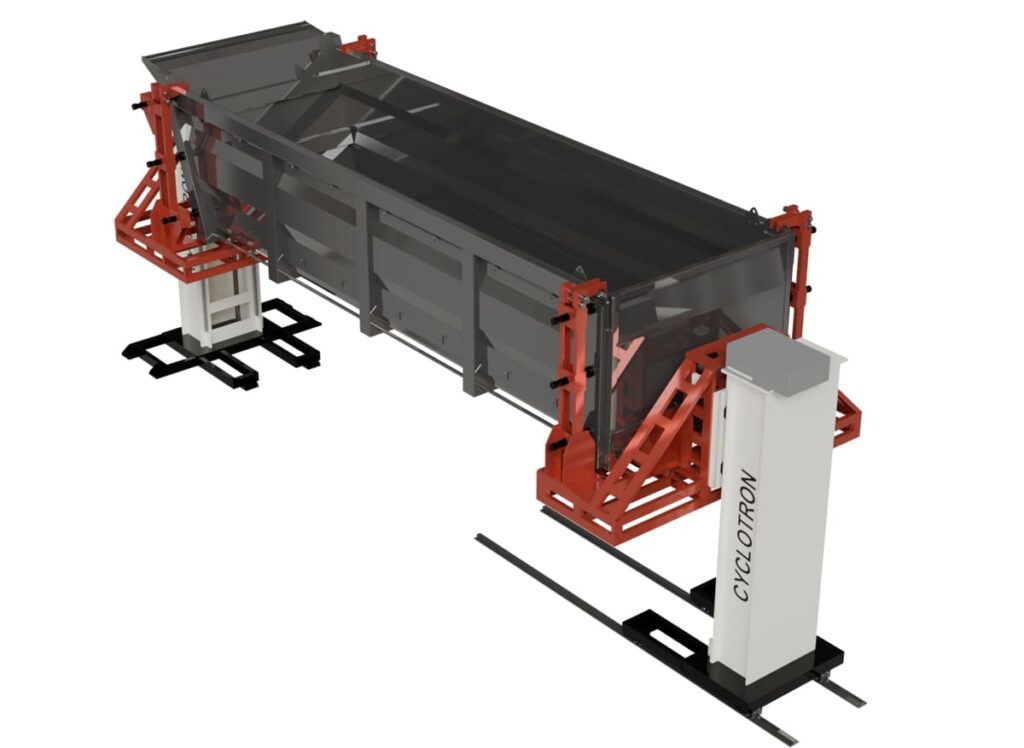
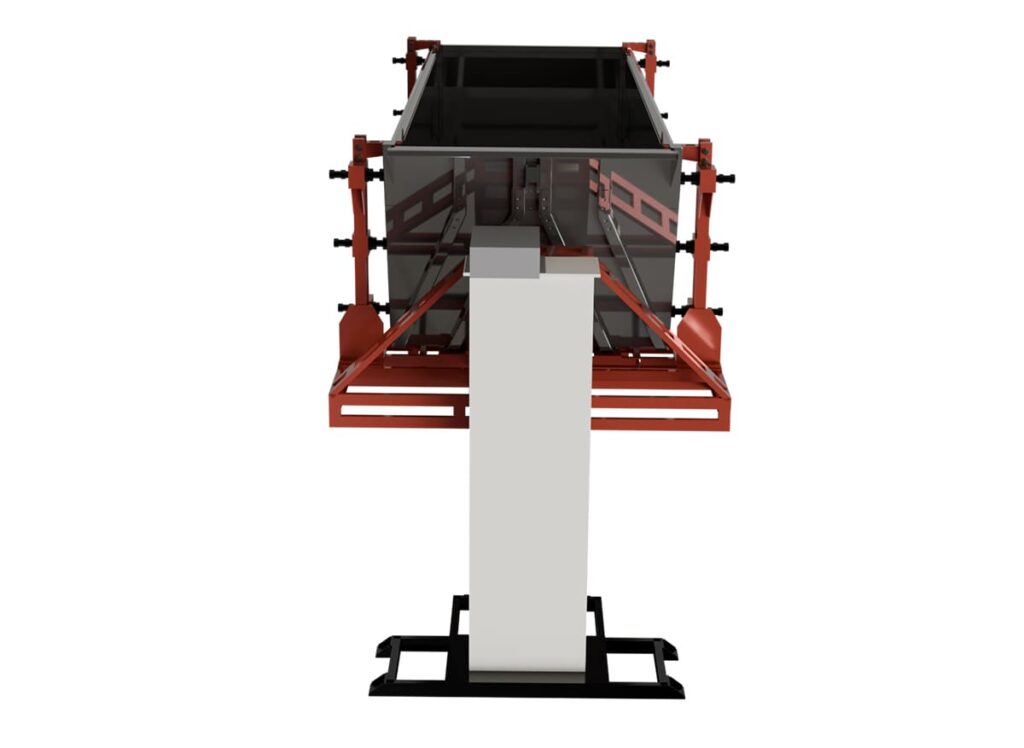
Headstock tailstock welding positioners
Imagine completely transforming your welding operations with a tool that moves your workpiece in three dimensions and redefines welding precision. It is achieved by a 3-axis welding positioner. The tool empowers welders by enabling smooth rotation, vertical shifts, and controlled tilting, ensuring every weld is executed accurately. This innovative equipment provides unparalleled access to every angle of your workpiece, minimizes frequent manual repositioning, and elevates productivity and weld quality. Today, we’ll explore the remarkable benefits and diverse applications of a three-axis welding positioner for your shop.

Working of Headstock tailstock welding positioners
The headstock and tailstock robotic welding positioner operates on a dual-axis system, specifically designed to rotate long workpieces along their longitudinal axis. Here’s a breakdown of its core functionality:
1. Headstock (Powered End)
The headstock is the primary drive unit with a servo motor or gear-driven mechanism. It delivers controlled rotational motion to the workpiece. The speed, torque, and angular positioning are all programmable, ensuring consistent rotation during the weld sequence.
2. Tailstock (Support End)
Positioned opposite the headstock, the tailstock functions as the counter-support, holding the other end of the workpiece. Depending on the model, it can be manual or motorized. When powered, the tailstock can synchronize its motion with the headstock, particularly when balancing large or irregularly weighted components.
3. Workpiece Mounting and Clamping
The workpiece is fitted between the headstock and tailstock using custom fixtures or clamps designed to match the geometry and length of the component. Proper clamping ensures no lateral movement or wobble, even during high-speed rotation.
4. Integration with Robotic Welding Arm
The positioner is typically integrated into a robotic welding cell, where it works in tandem with an industrial robotic arm. The motion of the robotic welding positioner is fully synchronized with the movement of the robotic torch using programmable logic (via PLC or robot controller). This coordination allows for seamless multi-axis welding on complex geometries, reducing weld distortion and improving quality.
5. Programmability and Automation
Both the headstock and tailstock movements can be pre-programmed to ensure automatic workpart positioning. This means that once a part is fixtured, the entire welding sequence can run hands-free with minimal operator intervention.
Key features of headstock tailstock welding positioners
- 1. Dual-End Sturdy Support This positioner offers rigid support at both ends of the workpiece, minimizing deflection, sagging, and vibration during welding. By stabilizing the component throughout the weld cycle, the system ensures consistent weld penetration and high-quality seam integrity, particularly on long or asymmetrical structures.
- Optional Powered Tailstock For more demanding applications, the tailstock can be configured as a powered unit, capable of synchronized rotation with the headstock. This enhances the balance and alignment of especially heavy or off-center workpieces, leading to smoother motion control and better positioning accuracy.
- High Load-Bearing Capacity Built to handle extreme workloads, this robotic positioner supports payloads ranging from a few hundred kilograms to several tons, depending on the model. This makes it ideal for heavy fabrication industries where large-scale components are the norm, such as oil and gas, shipbuilding, construction equipment, and aerospace.
- Industrial-Grade Construction The system is constructed using high-strength, wear-resistant steel alloys and components, designed for continuous-duty operation in harsh industrial environments. The rugged frame and precision-machined bearings ensure long service life, minimal maintenance, and reliability under demanding usage conditions.
- Programmable and Robotic Integration Compatible with robotic welding arms, the headstock-tailstock positioner can be fully automated via CNC controllers or robot programming interfaces. It allows for accurate, repeatable positioning for multi-pass welding, complex joint configurations, and batch production tasks, boosting productivity and reducing human error.
- Advanced Safety Systems To protect both operators and equipment, the robotic welding positioner is equipped with a range of integrated safety features, including: Limit switches to prevent over-rotation Overload detection systems for torque and weight protection Emergency stop mechanisms for rapid response Remote control operation to maintain safe working distances
Advantages of headstock tailstock welding positioners
- Superior Stability: During Welding These positioners offer axial support at both ends of the workpiece, dramatically increasing structural stability during rotation. This dual-end support is crucial when handling long or heavy components, as it prevents deflection, sagging, and vibration, factors that often compromise weld quality. The result is a more stable, controlled, and precise welding environment.
- Precision-Controlled Rotation: With a motorized headstock, operators can achieve highly accurate control over rotational speed and positioning. This capability is particularly beneficial for: Long seam welds Circular welds Multi-pass robotic welding
- Optimal Weld Accessibility: One of the biggest welding challenges is accessing difficult-to-reach weld zones. With this positioner, the workpiece can be rotated and tilted to achieve ideal torch angles and line-of-sight access for all weld areas. This promotes: Full weld fusion Deeper penetration Reduced spatter
- Enhanced Operator Safety: Manual handling of large workpieces introduces risks such as crush injuries, back strain, and exposure to hazardous welding arcs. By automating workpiece positioning, these positioners remove the need for manual lifting and frequent repositioning, significantly: Reducing operator fatigue Preventing OSHA-reportable incidents Creating a safer and more ergonomic work environment
- Greater Operational Flexibility: Welding businesses often handle a diverse range of projects, from structural frames to custom pipework. The modular design of headstock and tailstock positioners allows for: Quick fixture changes Adaptation to various workpiece lengths, diameters, and weights Smooth switching between production runs
- Long-Term Cost Efficiency: While the initial investment in a robotic positioner may be significant, the return on investment (ROI) is undeniable. Over time, you will see measurable cost reductions through: Lower labor dependency Faster cycle times Reduced weld defects and rework Higher throughput Consistent part quality These savings compound over projects, making this equipment an asset rather than an expense.
Conclusion
From a technical and operational standpoint, the headstock and tailstock robotic welding positioner is a game-changer in welding industry. It ensures superior weld quality, faster production cycles, and also creates a safer, more productive work environment. For any welding business looking to stay competitive in today’s automated manufacturing landscape, this equipment is a must-have.
If you are exploring reliable solutions, we recommend Cyclotron Automation. We specialize in delivering high-quality, customizable headstock-tailstock robotic welding positioners built to meet your specific industrial needs. Let’s revolutionize your welding process. Contact us today and take your welding business to the next level.
Manual welding positioners
Get Yours with Cyclotron Automation
Upgrade your welding operations with Cyclotron Automation. Our Headstock tailstock welding positioners are a strategic investment designed to deliver high-quality welds while significantly reducing operational costs and downtime. With these advanced machines, large and heavy workpieces are easily handled, allowing you to achieve precise welds every time without manual repositioning. Their motor-assisted controls enable smooth rotation, tilting, and vertical movement, ensuring that each weld is executed at the optimal angle for unmatched consistency and strength.
At Cyclotron Automation, we understand that every welding requirement is unique. That’s why we are committed to helping you select the best headstock tailstock welding positioner that fits your budget and specific needs. Shop with us to experience cutting-edge technology that enhances productivity, improves safety, and drives long-term savings. Let’s discuss your welding requirements, and we’ll recommend the perfect solution to elevate your operations. Get yours with Cyclotron Automation today!