
Welding Manipulator Manufacturer in India
Cyclotron is the Best Welding Manipulator manufacturer in India with 1 axis, 2 axis and 3 axis manipulators. Our range includes Rotary welding manipulators, Headstock tailstock welding manipulators, Robotic welding manipulators, etc
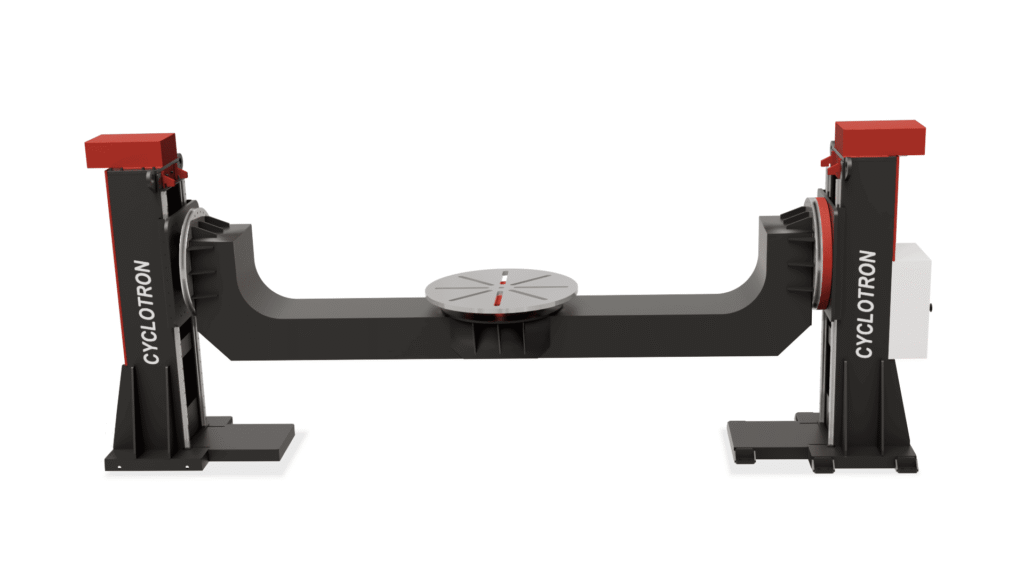
Welding manipulator manufacturer
Cyclotron manufactures industrial welding manipulators from 100 kg to 100 Tons capacity, designed for robotic/manual welding, heavy fabrication, and high-production welding environments.
500+
Successfully Project Finished.
7+
Years of experience with proud
100+
Companies worldwide
50+
Colleagues & counting more daily
Welding Manipulator Manufacturer in India
Engineered welding manipulators and positioners from 100 kg to 50 tons, manufactured in Pune, India.
When the weld is difficult to reach, the right positioning can change the entire process.
A heavy weldment should not have to be dragged, lifted, rotated with a crane, or manually repositioned every time the welding position changes. Every unnecessary movement adds handling time, increases operator exposure, interrupts the welding sequence and can make consistent weld access more difficult.
That is where the right welding manipulator earns its place on the shop floor.
Cyclotron manufactures industrial welding manipulators and welding positioners from 100 kg to 50 tons, designed around the actual component being welded. Whether you need controlled rotation, powered tilting, elevation, a headstock-tailstock arrangement, or integration with robotic welding, the machine is selected based on the load—not just its nameplate capacity.
Because a 5-ton component is not always a 5-ton application.
The component’s centre of gravity, eccentricity, fixture weight, faceplate dimensions, rotational inertia, required torque and welding orientation can all change the machine specification. Cyclotron evaluates these factors during engineering to help ensure that the manipulator is sized for how your component will actually be handled.
From application assessment and mechanical design to fabrication, controls integration and functional testing, Cyclotron builds welding manipulators around the job—not around a generic catalogue specification.
Cyclotron Welding Positioners from India
Cyclotron manufactures industrial welding positioners from 100 kg to 100 Tons capacity, designed for robotic/manual welding, heavy fabrication, and high-production welding environments.
- Cyclotron manufactures all types of Manual/Robotic welding positioners like 1 axis, 2 axis, 3 axis, Headstock-tailstock, L Type, skyhook, etc
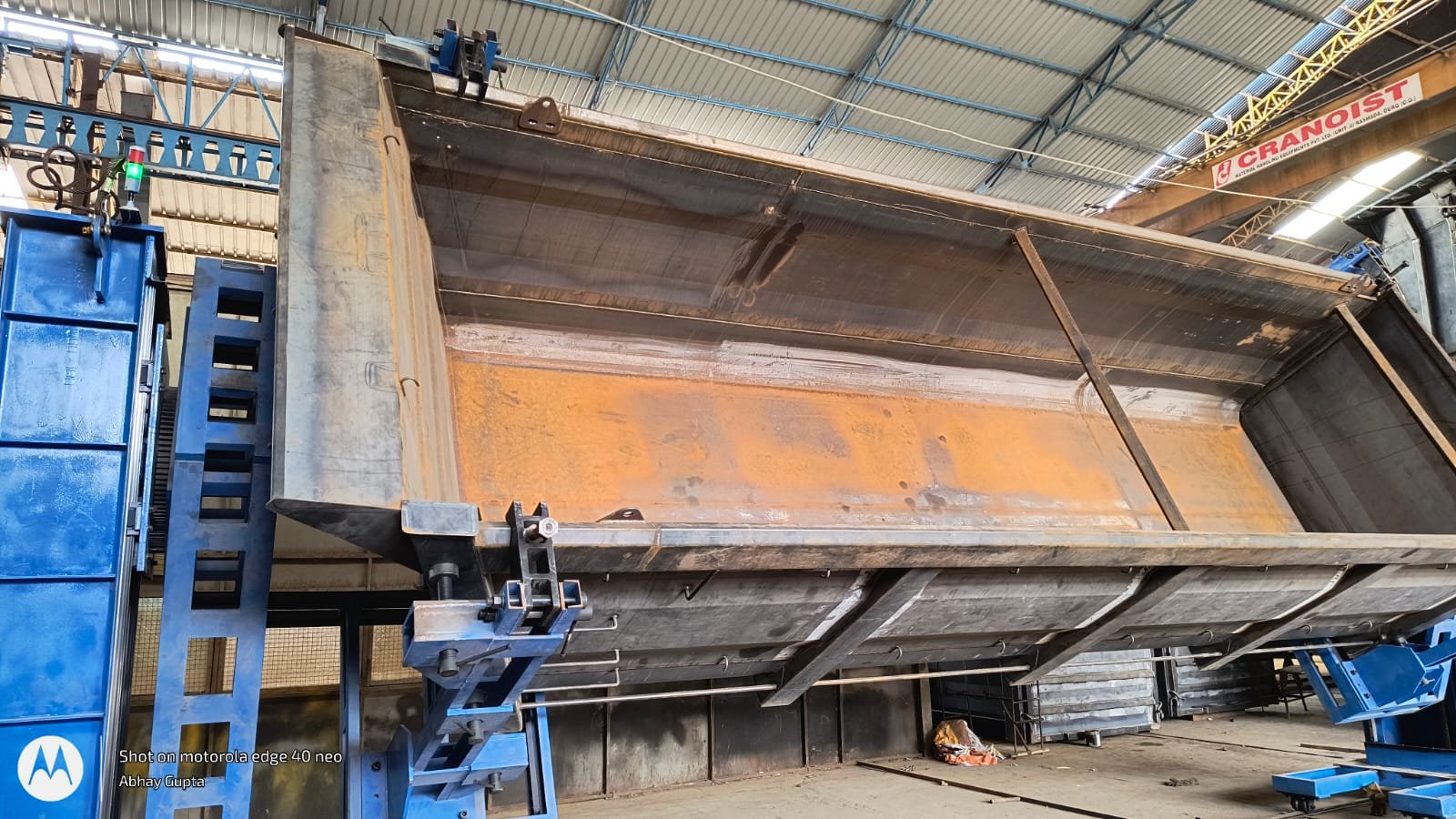
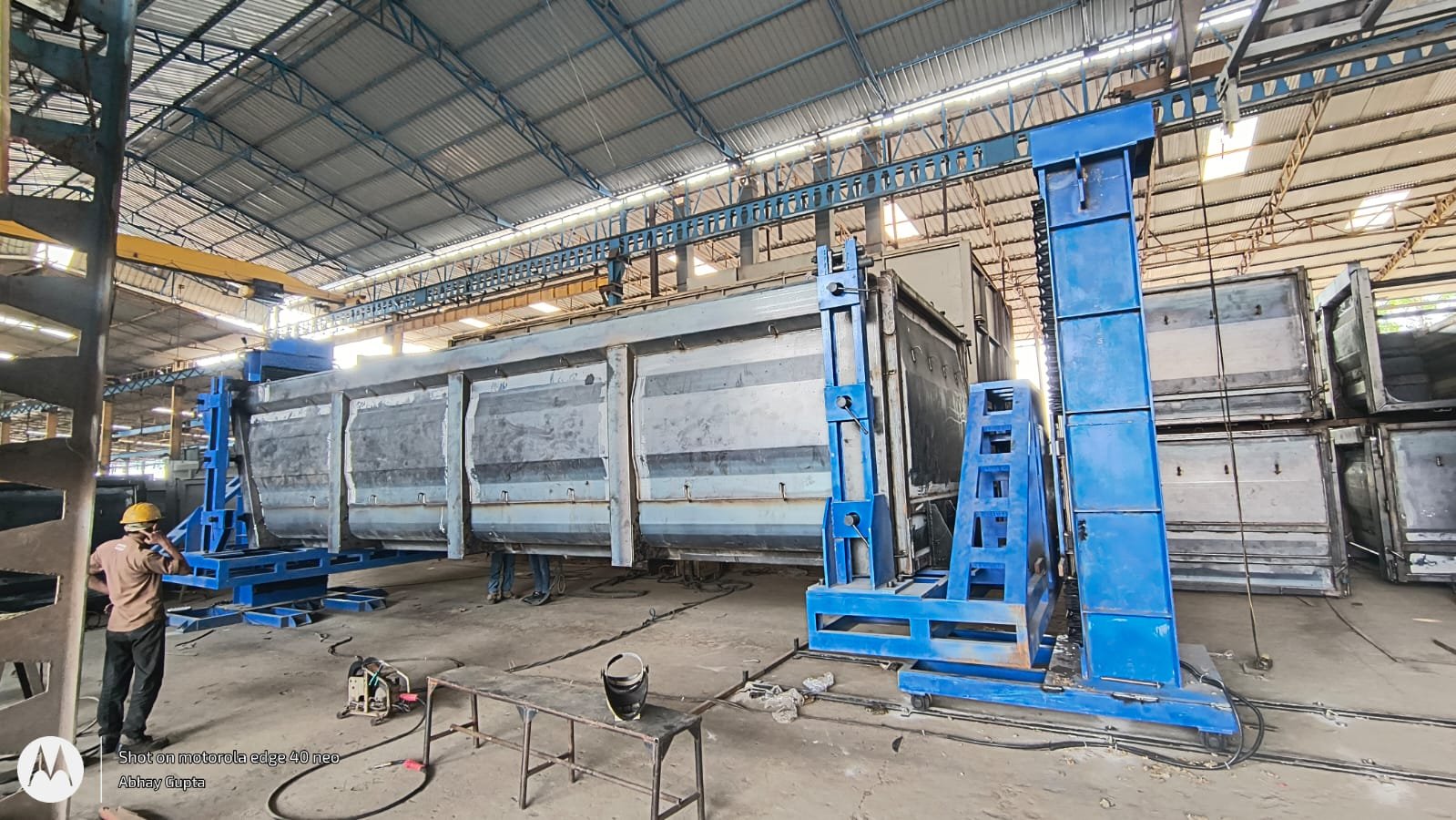
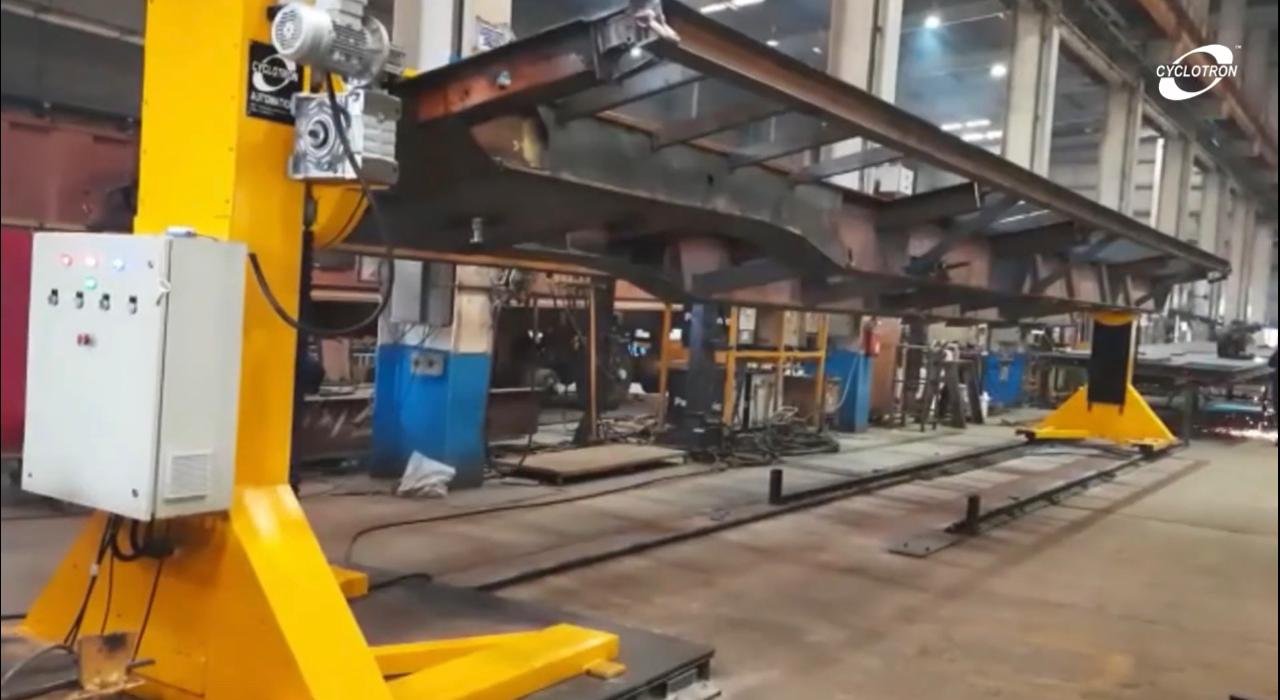
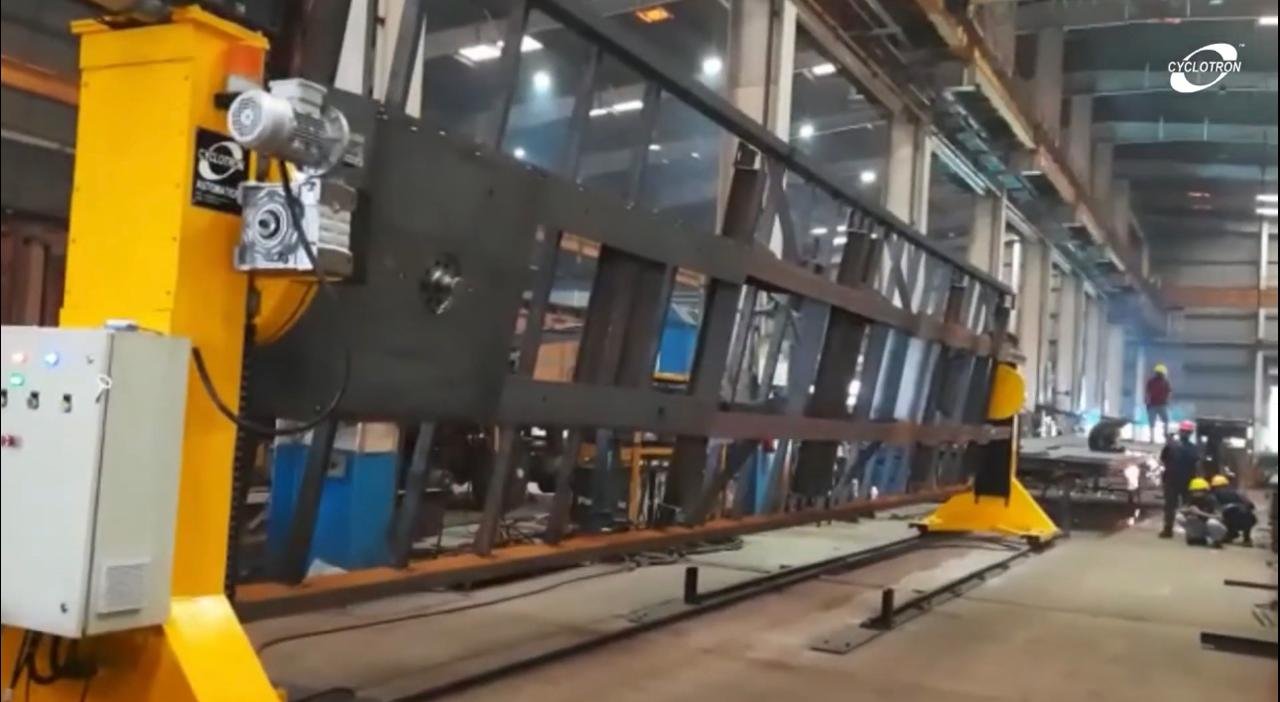
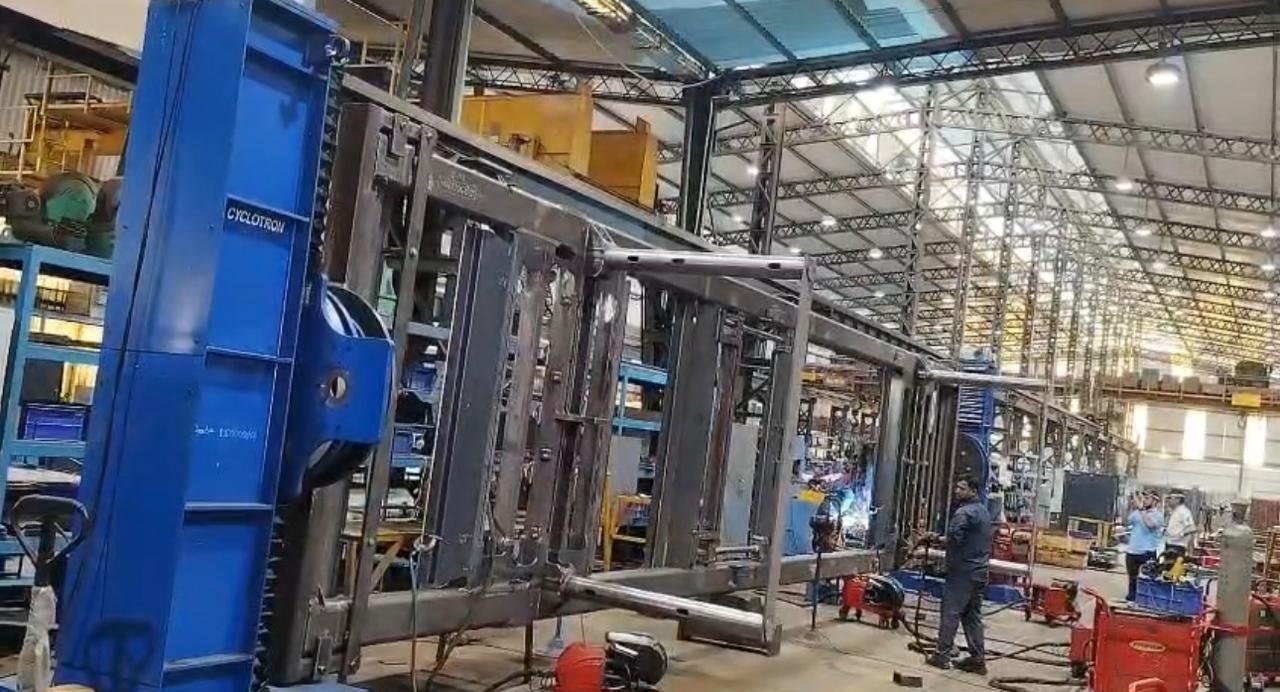
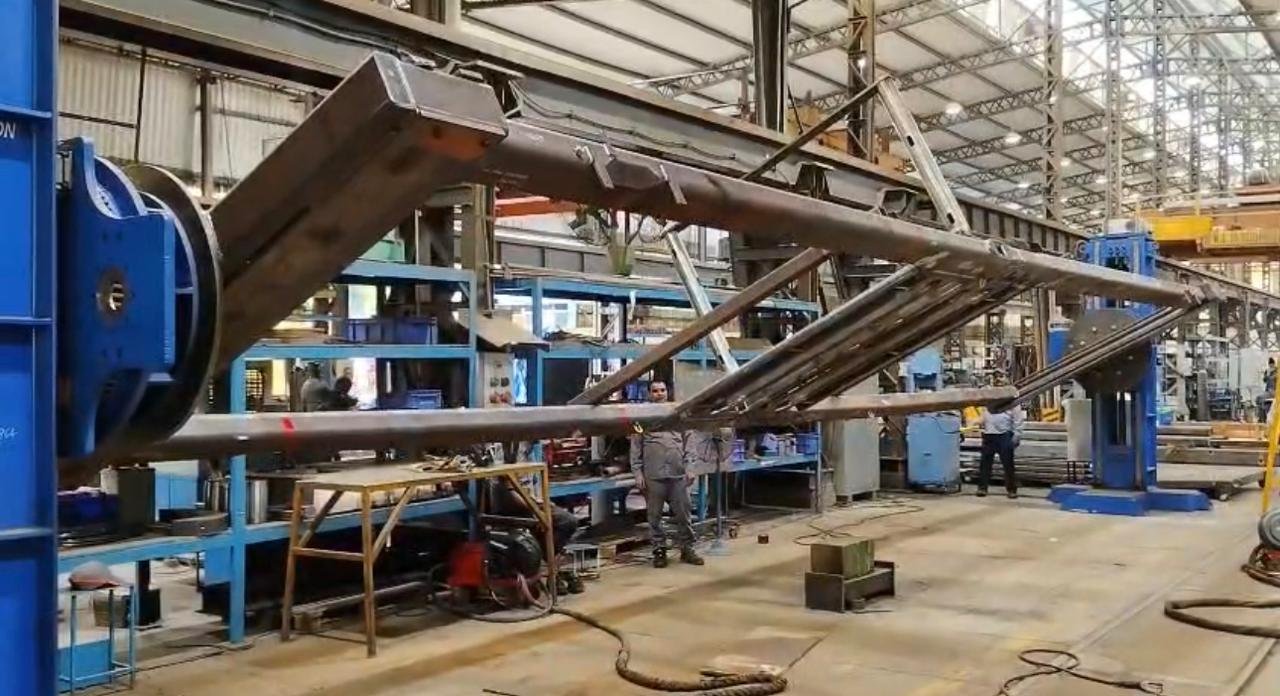
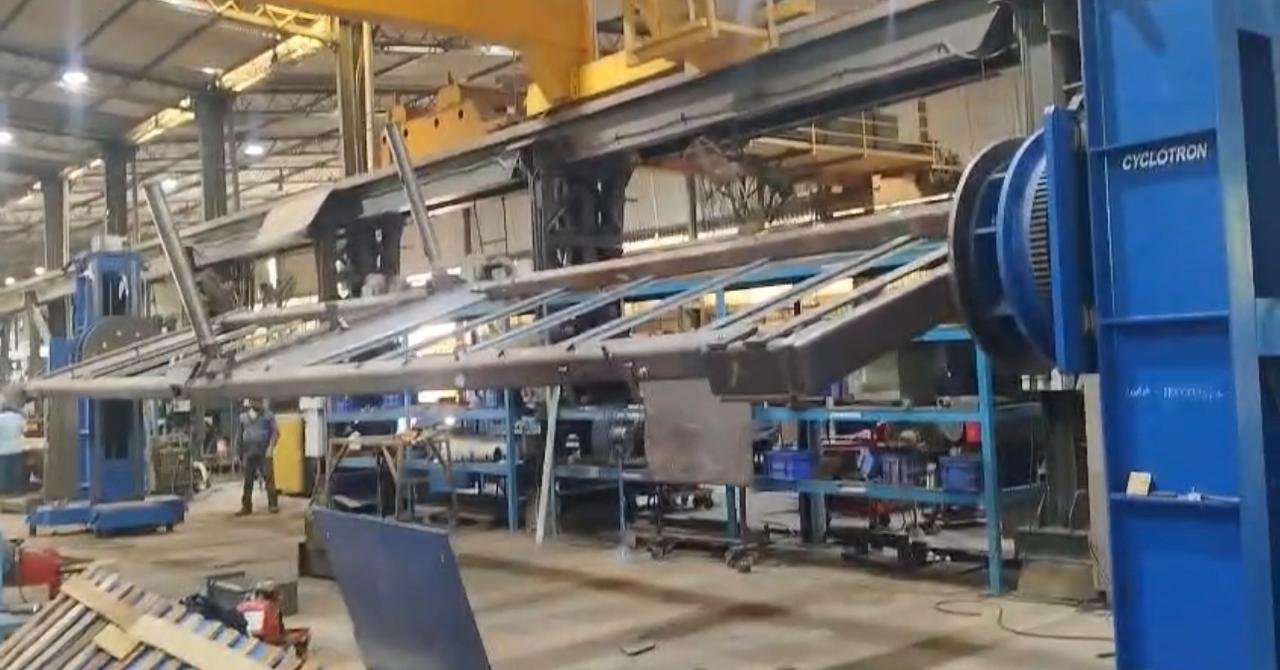
Trusted By Industry Leaders from Worldwide
Rotary welding manipulator in India
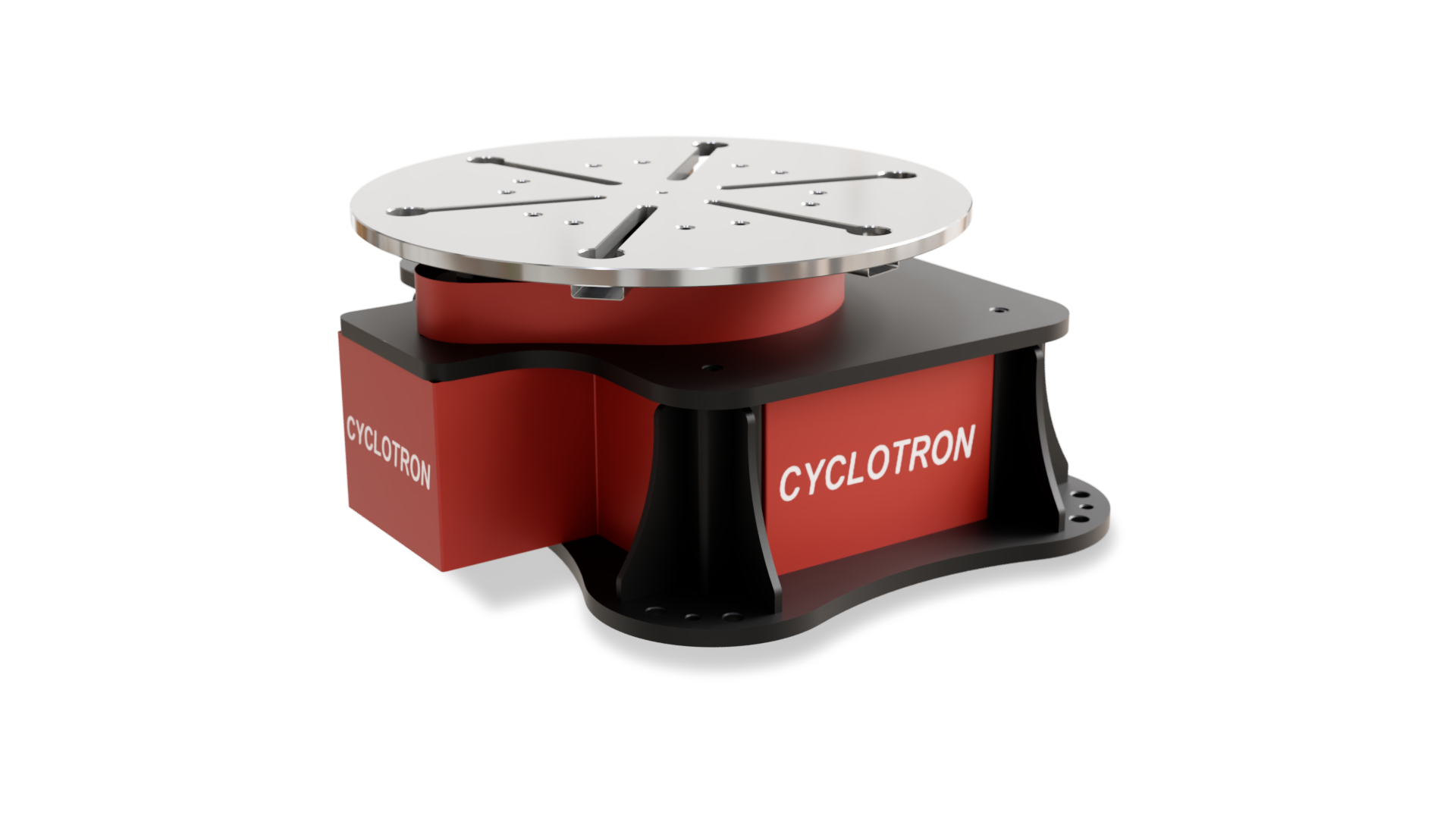
Welding turntable
SKU: CTT-1AX
1st Axis: Face plate Rotation (0-360°)
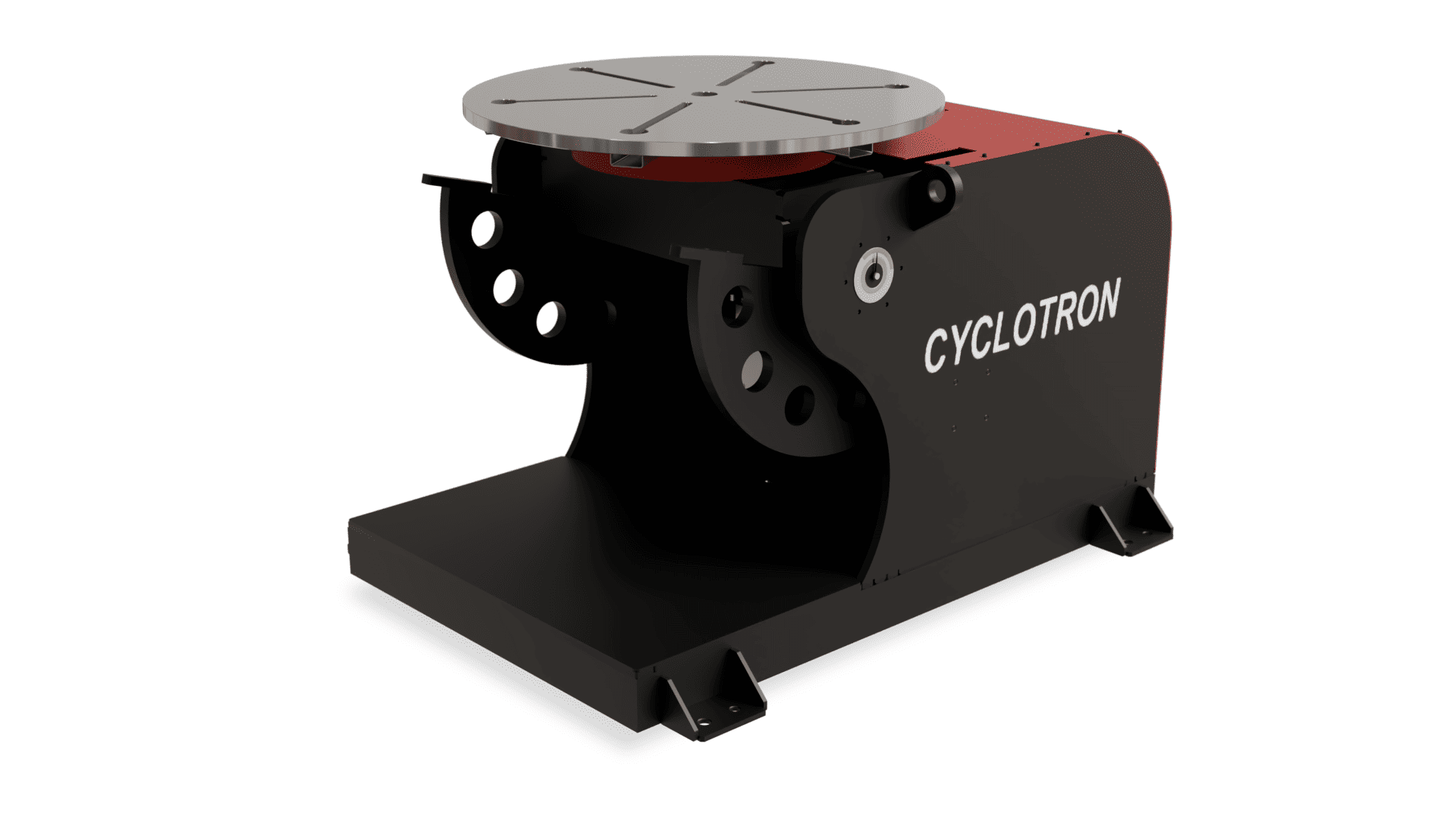
Universal welding positioner
SKU: CUP-2AX
1st Axis: Face plate rotation (0-360°)
2nd Axis: Tilting of face plate (0-135°)
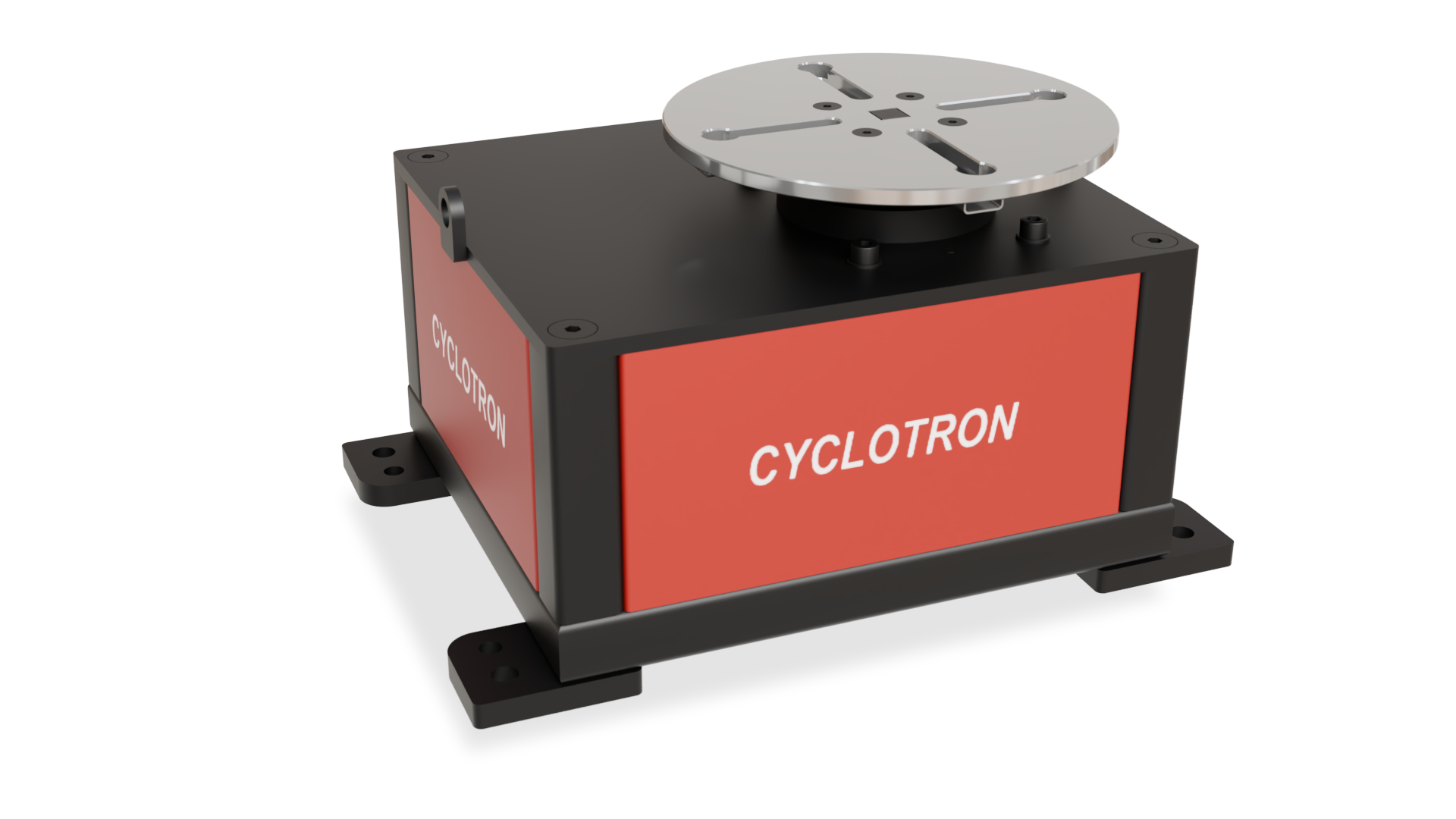
Mini Welding turntable
SKU: Mini-CTT-1AX
1st Axis: Face plate rotation (0-360°)
Headstock tailstock welding manipulator in India
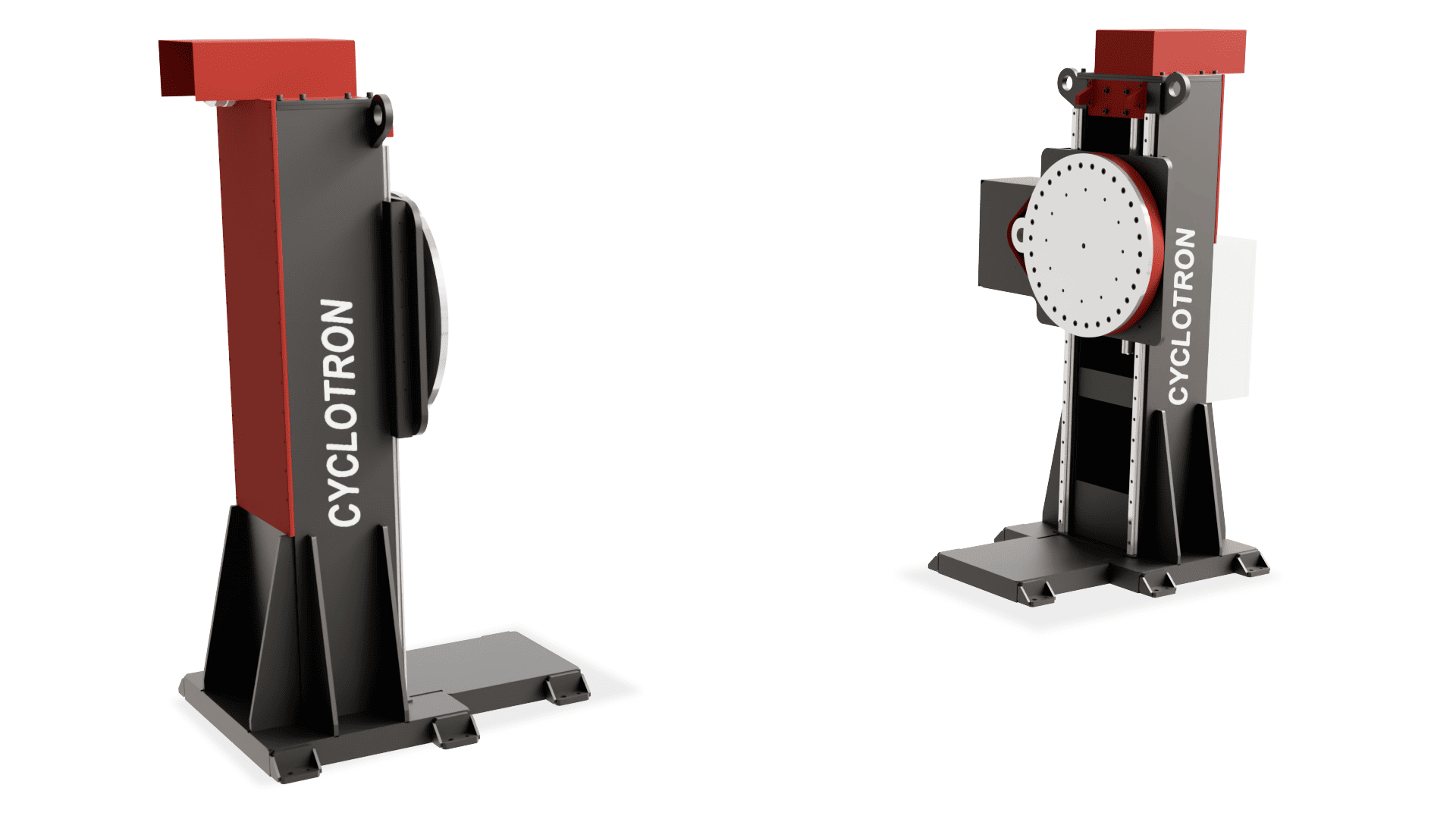
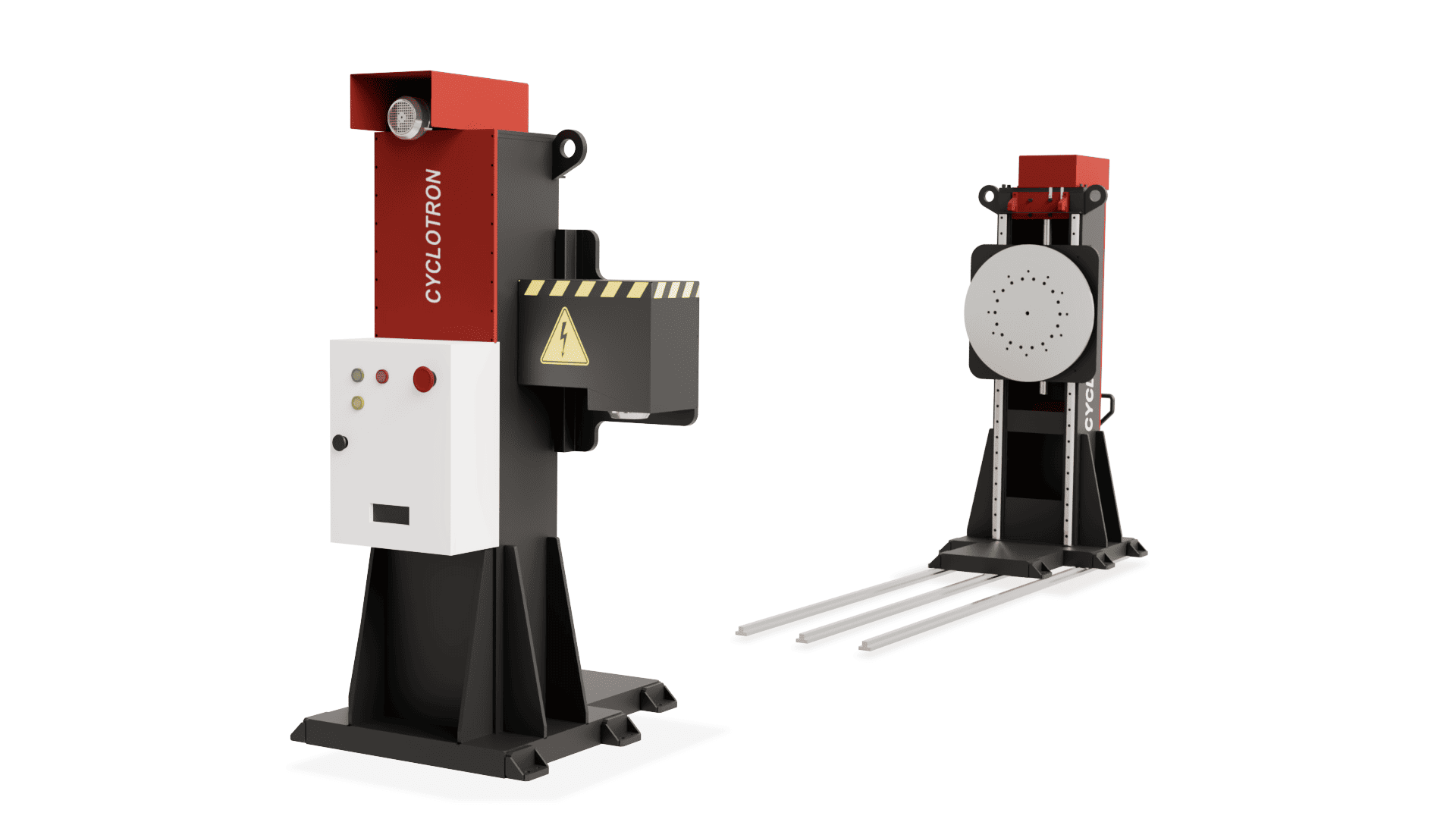
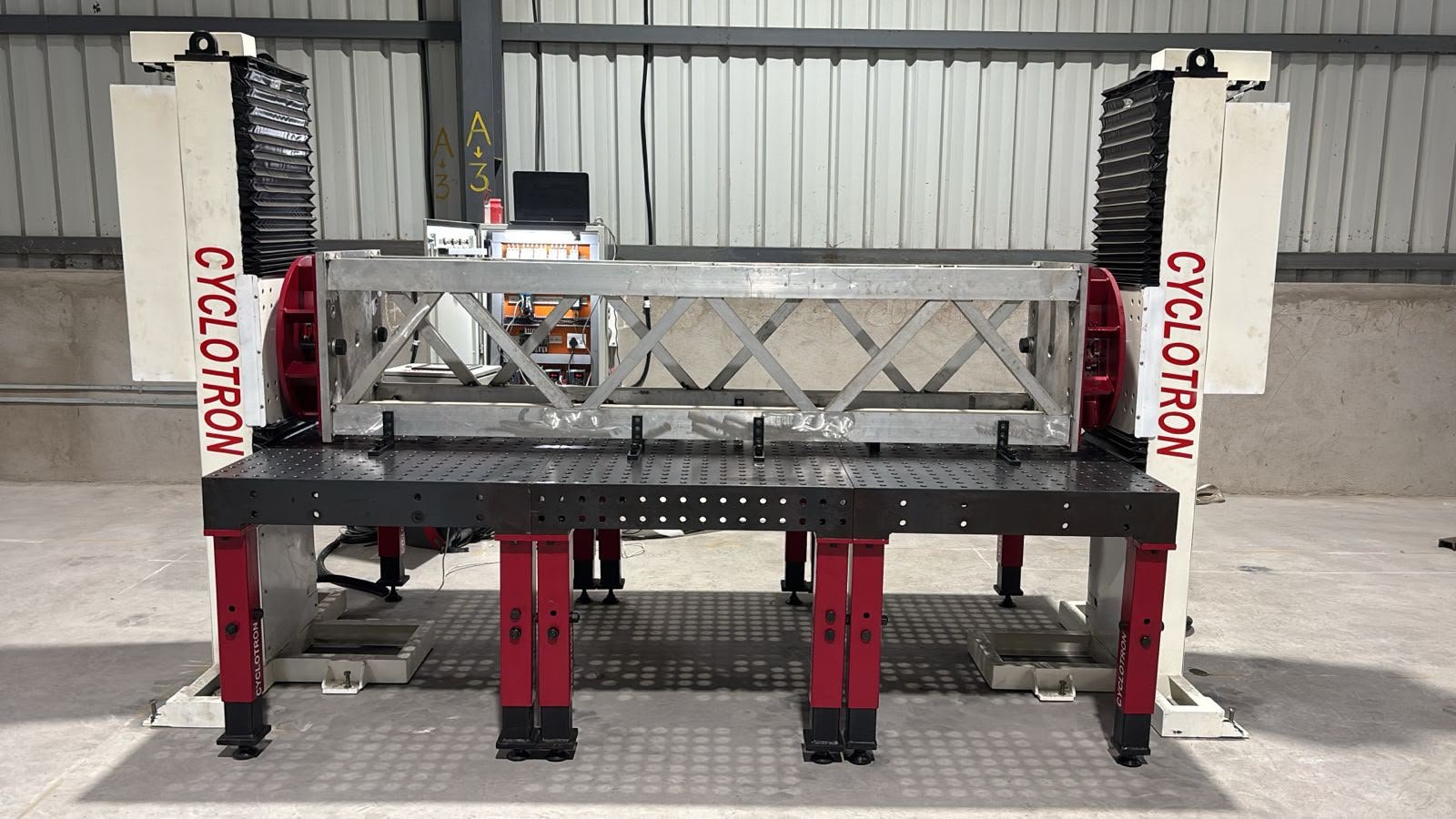
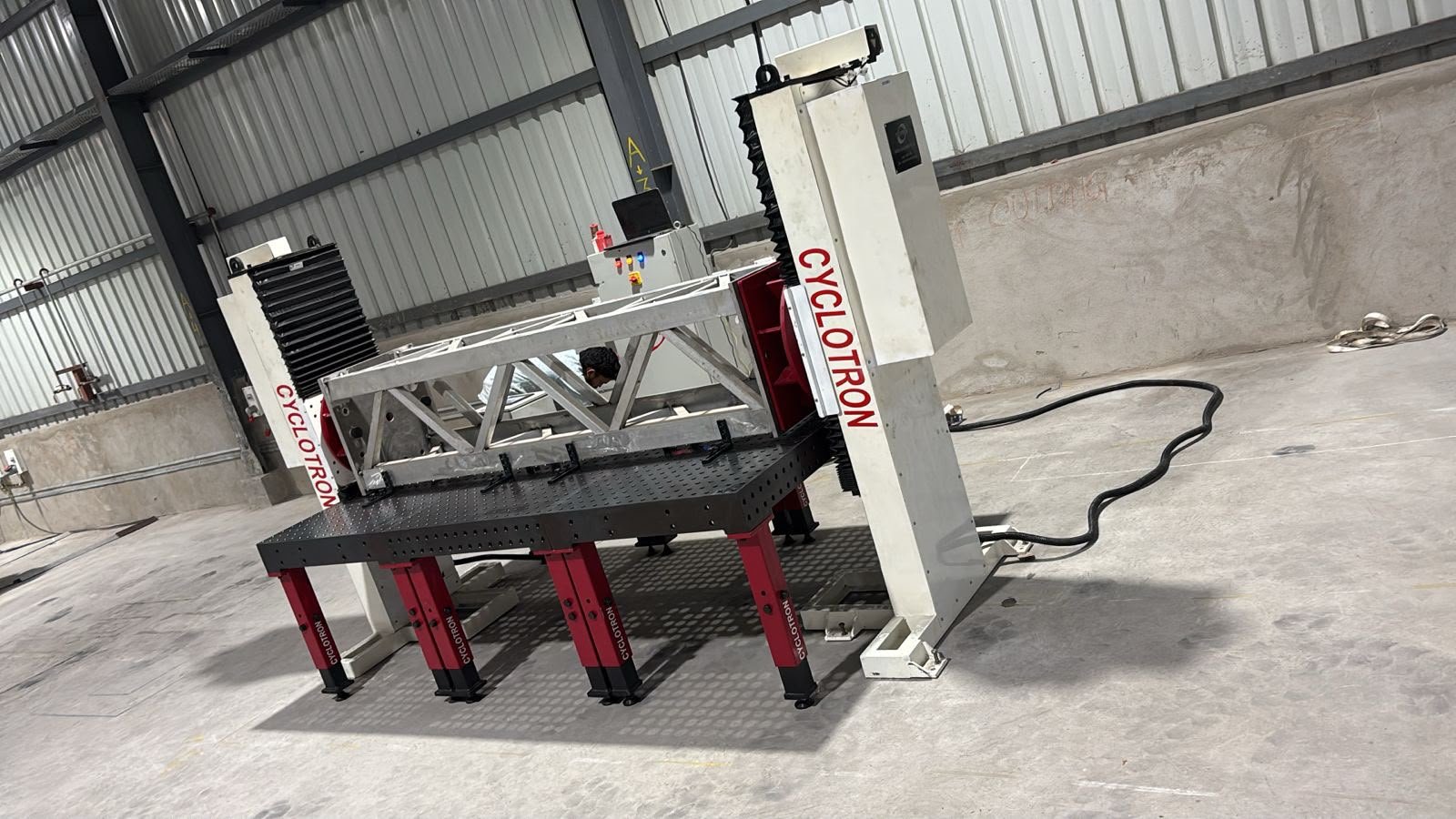
Headstock tailstock positioner-2 Axis
SKU: CY-HTP-2AX
1st Axis: Face plate rotation (0-360°)
2nd Axis: Height adjustment
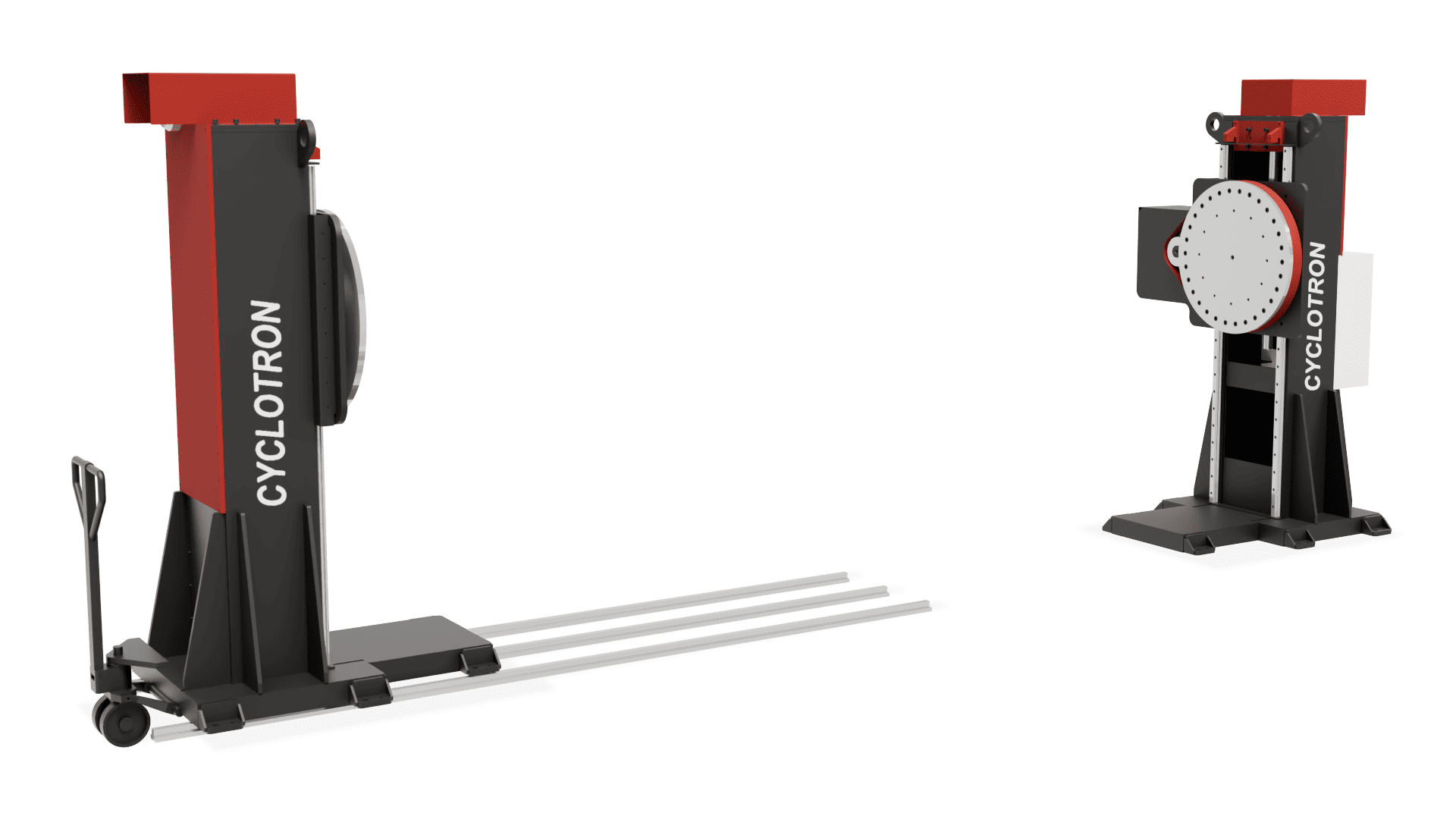
Headstock tailstock positioner-2 Axis with Rail
SKU: CY-HTP-2AX-R
1st Axis: Face plate rotation (0-360°)
2nd Axis: Height adjustment
Rail: Span between headstock and tailstock is adjustable
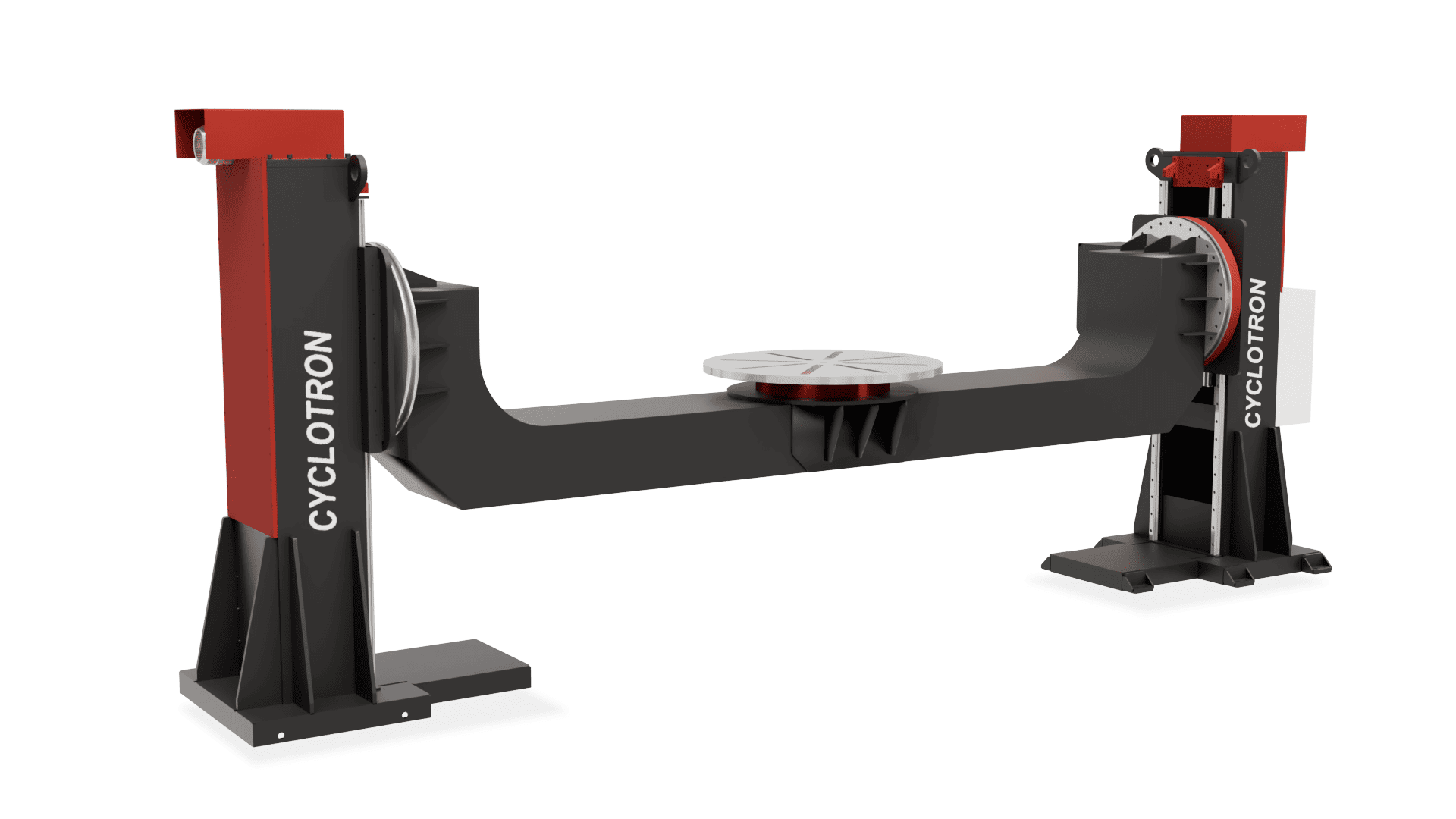
Headstock tailstock positioner-3 Axis
SKU: CY-HTP-3AX
1st Axis: Face plate rotation (0-360°)
2nd Axis: Tilting of the cradle (0-360°)
3rd Axis: Height adjustment
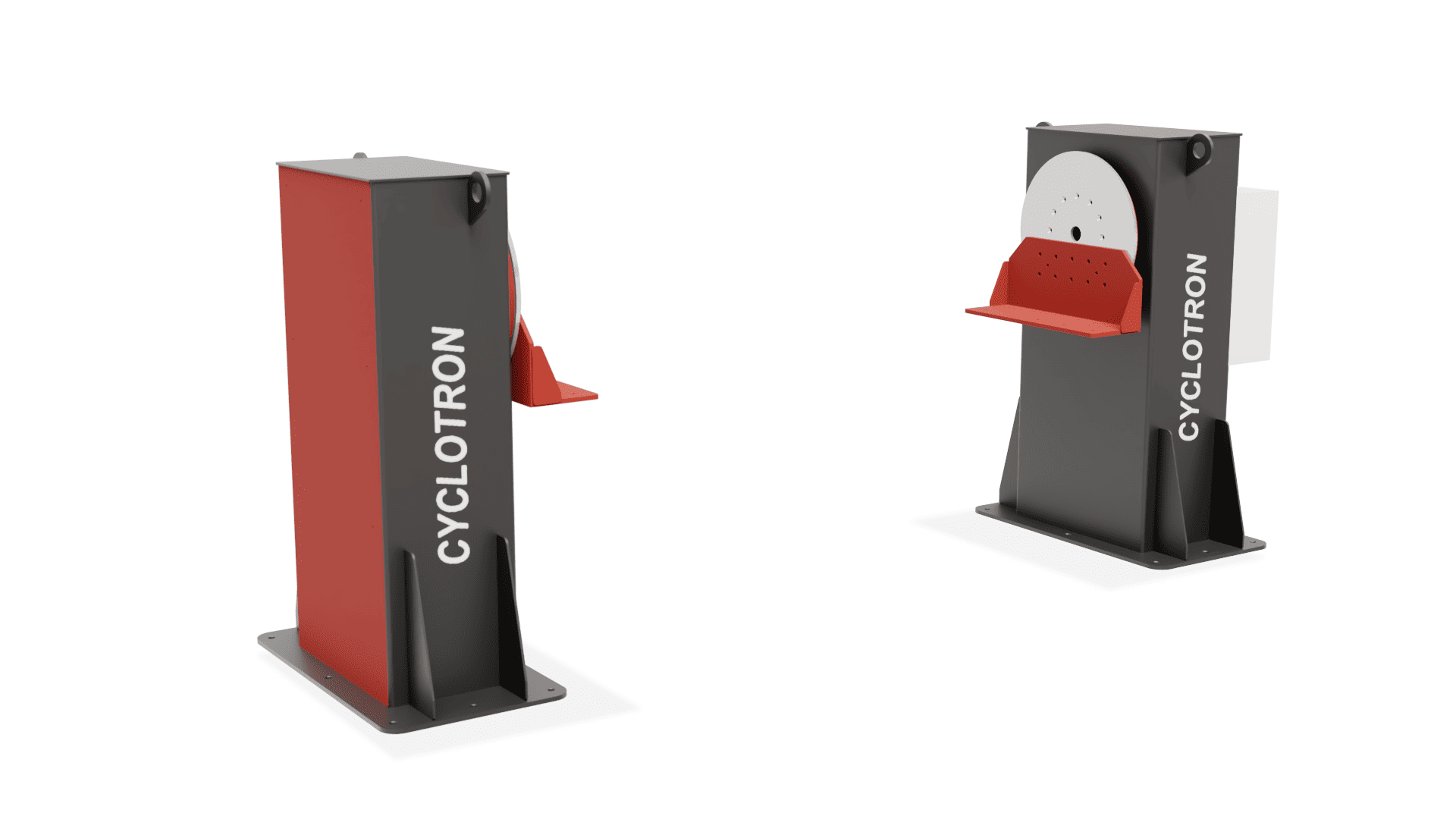
Headstock tailstock positioner-1 Axis
SKU: CY-HTP-1AX
1st Axis: Face plate rotation (0-360°)
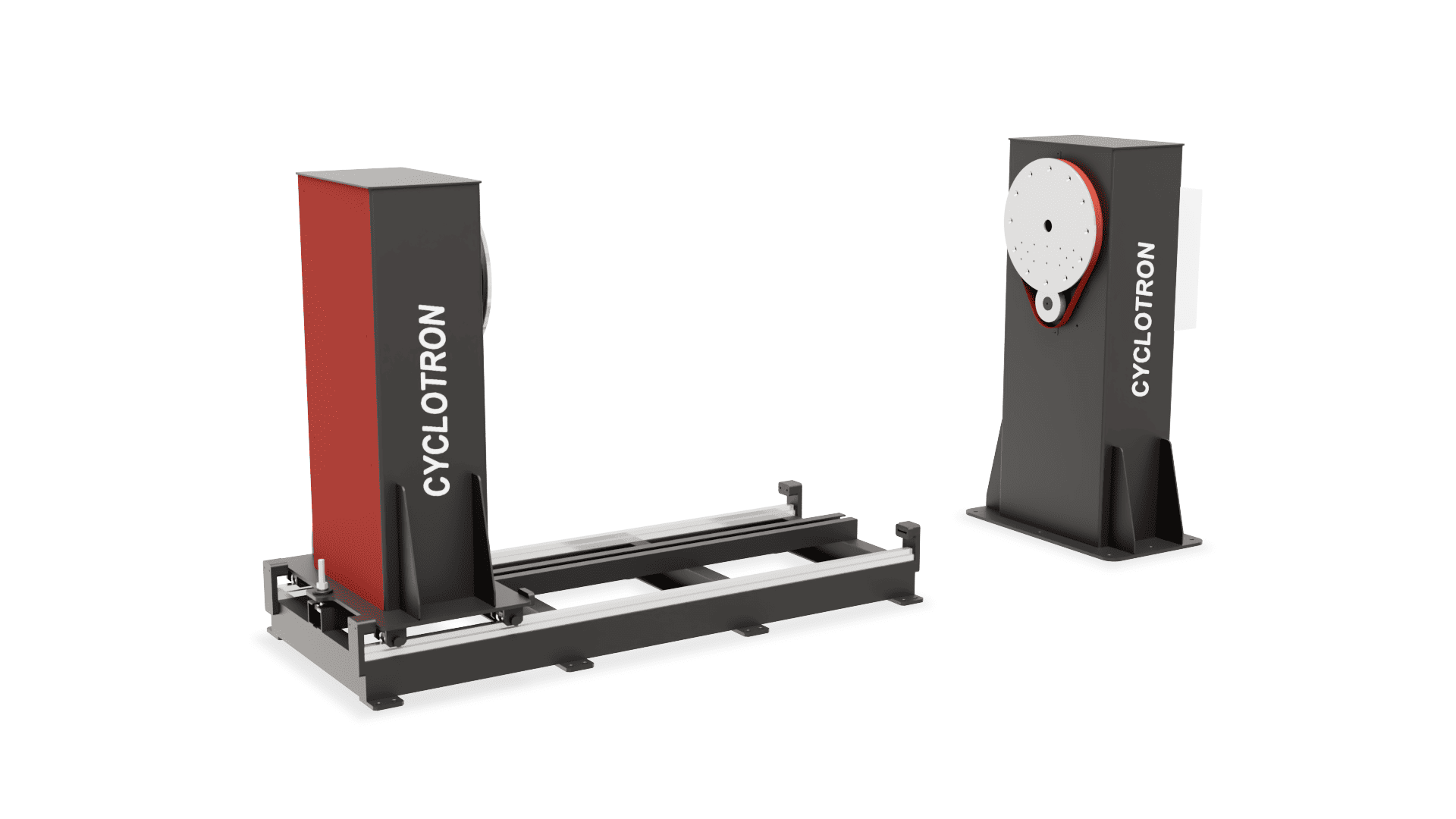
Headstock tailstock positioner-1 Axis with Rail
SKU: CY-HTP-1AX-R
1st Axis: Face plate rotation (0-360°)
Rail: Span between headstock and tailstock is adjustable
L type Welding Manipulators in India
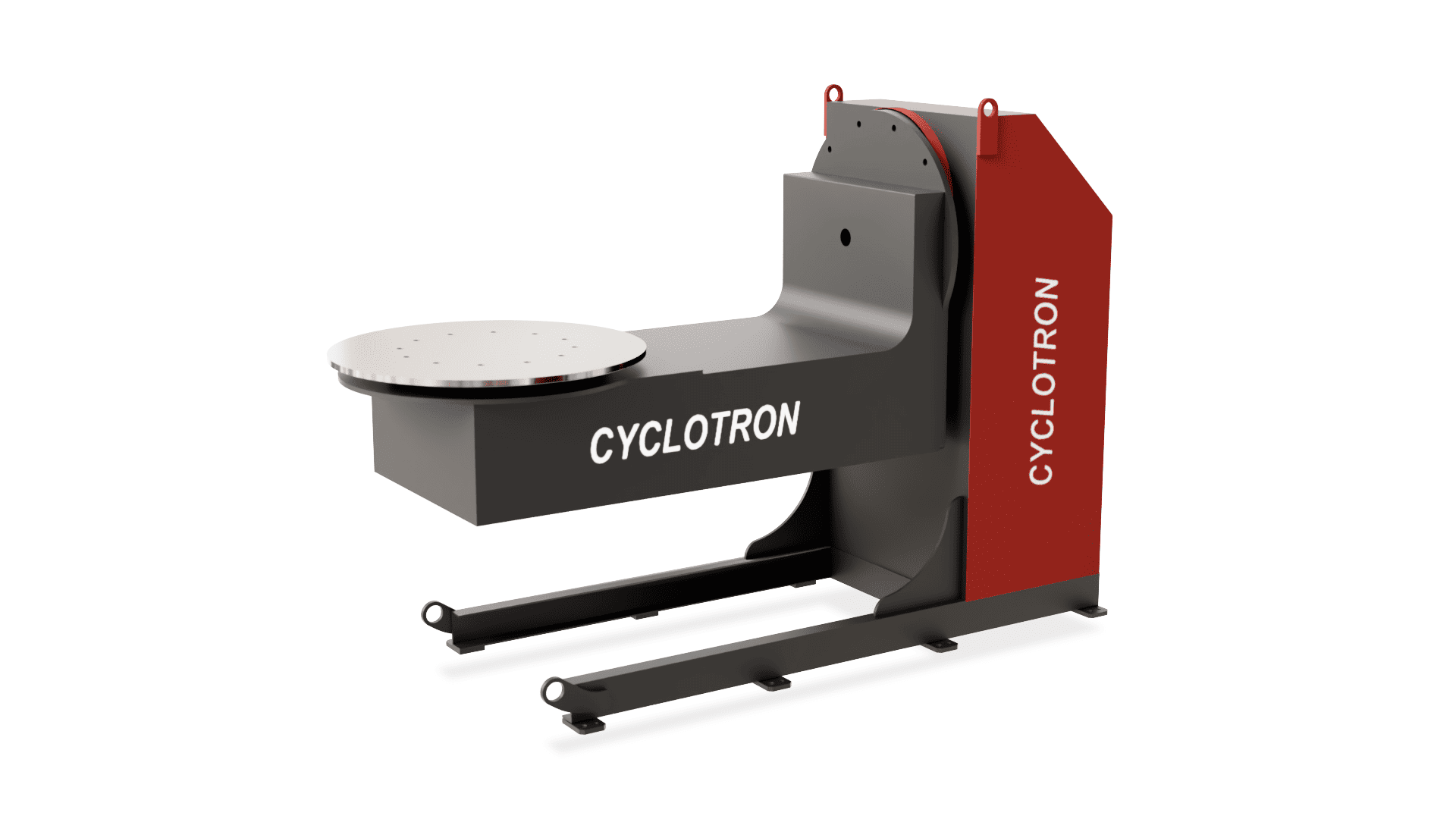
Cyclotron L Type Positioner 2AX
SKU: CLP-2AX
2 Axis (Rotation + Tilting)
Cyclotron Welding Positioners from India
Cyclotron manufactures industrial welding positioners from 100 kg to 100 Tons capacity, designed for robotic/manual welding, heavy fabrication, and high-production welding environments.
- Cyclotron manufactures all types of Manual/Robotic welding positioners like 1 axis, 2 axis, 3 axis, Headstock-tailstock, L Type, skyhook, etc
What Is a Welding Manipulator?
A welding manipulator is a workpiece-positioning machine designed to rotate, tilt, or position a component into the optimal orientation for welding.
Instead of asking the welder to work around a difficult component, the manipulator brings the component into a more accessible position. This can improve weld access, reduce unnecessary crane handling and make the welding process more comfortable for operators.
For example, a fabricated structure may need welding on several sides. Rather than stopping production to manually reposition the component, a welding positioner can rotate it in a controlled manner, allowing the welder to maintain a more consistent working position.
Welding Manipulator vs. Column-and-Boom Manipulator
The term “welding manipulator” can refer to different types of equipment in the industry. In this post, Cyclotron uses the term to describe workpiece-positioning equipment, including welding positioners and manipulators that rotate or tilt the workpiece.
It does not refer to a column-and-boom system used to move a welding torch around a stationary workpiece.
Types of Welding Manipulators We Manufacture
Different components require different types of movement. Cyclotron manufactures welding manipulators and positioners based on component geometry, weight, welding sequence, and accessibility requirements.
1. Rotary Welding Positioner: A rotary positioner provides controlled rotation of the workpiece around a horizontal or vertical axis, depending on the design. It is suitable for fabricated components that need continuous or indexed rotation during welding.
2. Universal Rotation and Tilt Positioner: This type combines rotation and tilting to provide greater flexibility. It is useful when welders need access to several sides or angles of a component without manually repositioning it.
3. Headstock-Tailstock Welding Manipulator: A headstock-tailstock welding manipulator supports long components from two ends. It is commonly considered for shafts, tanks, vessels, frames and other long fabricated assemblies where stable support and controlled rotation are required.
4. Elevating Welding Positioner: An elevating positioner combines workpiece rotation with vertical movement. It can help bring a component to a suitable working height while also providing controlled positioning.
5. Heavy-Duty Welding Manipulator: Heavy-duty welding manipulators are designed for large weldments and high-load applications. Their structure, drive system, bearings, and supporting components are selected based on the actual load and operating conditions.
6. Robotic Welding Positioner: Robotic welding positioners are designed to work with automated welding systems. They can provide controlled workpiece movement and, where required, communicate with the robotic welding system for coordinated operation.
The correct type depends on the component geometry, welding sequence, load distribution and accessibility required for the job.
Welding Manipulator Capacity, Centre of Gravity and Torque
Cyclotron manufactures welding manipulators covering capacities from 100 kg to 50 tons. However, choosing the right machine is not as simple as matching the workpiece weight with the machine’s rated capacity.
Why Centre of Gravity Matters
The centre of gravity of the workpiece determines how the load acts on the positioning system. Fixture weight, faceplate dimensions and the distance between the centre of gravity and the rotation or tilting axis can significantly affect the machine requirement.
A simple way to understand this is:
Moment = Load × CG Distance
For example, two components may each weigh 5 tons, but their loading conditions can be very different. A component with its centre of gravity 100 mm from the axis creates a different moment than one with its centre of gravity 500 mm from the axis.
This is why the machine should be selected based on the complete loading arrangement rather than tonnage alone.
How Torque Affects Machine Selection
The motor and gearbox need to provide sufficient torque to start, rotate and, where applicable, tilt the loaded workpiece. Starting conditions, dynamic loads and rotational inertia may also influence the final selection.
For more information, see our guides on welding positioner capacity and centre of gravity in welding positioners.
Key Features and Safety of Welding Manipulators
The key features and inherent safety measures that help ensure operations proceed smoothly and securely are outlined below.
- The speed of rotation can be precisely controlled using a VFD or a dedicated drive in order to achieve optimal flexibility.
- The motor and gearbox of an industrial standard are sized to meet specific torque requirements, ensuring reliable performance.
- The structure is strong and durable, with a powered tilting mechanism which ensures stability while it is in operation.
- There is an easy-to-use pendant or remote control, along with an optional foot pedal for hands-free operation.
- The users are protected from moving parts and accidental movement through mechanical locking systems and protective guards.
- There are emergency stop buttons, motor overload protection, and limit switches to enable a rapid response to unsafe conditions.
- Interlocks are installed in all appropriate cases to avoid unsafe operation and to improve user safety.
- Hydraulic elevation systems are equipped with controlled lowering capabilities and anti-fall devices as an additional safety measure.
- The assessment of risks is carried out in accordance with the ISO 12100 guidelines for the systematic identification and control of hazards.
- Control functions which have been designed and verified in accordance with ISO 13849-1 are intended for use in safety-critical applications.
How Cyclotron Selects the Right Welding Manipulator
Selecting the right manipulator starts with understanding the component rather than simply choosing a standard capacity.
1. Review Workpiece and Fixture Details
Cyclotron reviews the maximum workpiece weight, fixture weight, component dimensions and mounting arrangement.
2. Determine Centre of Gravity
The centre of gravity and its distance from the rotation or tilting axis are considered to understand the actual loading condition.
3. Calculate Torque and Dynamic Loads
The required rotational and tilting torque is evaluated, including starting and dynamic loads where applicable.
4. Select Mechanical and Drive Components
Based on the calculated requirements, the motor, gearbox, bearings, shaft and structural members are selected.
5. Check the Complete Structure
The faceplate, frame, base, deflection and overturning moments are reviewed as part of the engineering process.
6. Test Before Dispatch
After assembly, the machine undergoes functional checks and testing to verify movement and operation before dispatch.
Why Choose Cyclotron for Welding Manipulators?
Choosing a manufacturer is about more than finding a machine with the required tonnage. The manipulator needs to work reliably with the component, fixture and welding process.
1.Application-Based Engineering: Cyclotron selects the machine based on the actual application, including load distribution, centre of gravity, torque and required movement.
2. Wide Capacity Range: Solutions are available from 100 kg to 50 tons, with customised fixtures, faceplates and configurations available for specific applications.
3. Integrated Manufacturing Capabilities: Mechanical design, fabrication, machining and control integration can be coordinated during machine development.
4. Testing and Project Support: The machines are functionally tested before dispatch, with domestic and export project capabilities and commissioning support where applicable.
For companies looking for a welding manipulator manufacturer in India, this combination of application engineering, manufacturing and testing provides a practical approach to equipment selection.
FAQs
What capacity welding manipulator do I need?
The required capacity depends on workpiece weight, fixture weight, dimensions, centre of gravity, CG offset and tilting requirements. Dynamic loads and operating conditions should also be considered before final machine selection.
What is the difference between a welding manipulator and a welding positioner?
The terms are often used interchangeably for workpiece positioning equipment. A welding positioner generally rotates or tilts the workpiece, and the exact configuration depends on the required movement and application.
What affects welding manipulator prices in India?
The price depends on capacity, torque, faceplate size, rotation speed, tilting, hydraulic elevation, controls, fixtures, safety systems and the level of customisation required for the application.
Can a welding positioner integrate with robotic welding?
Yes, depending on the application. Robotic welding positioners can be configured for controlled movement and integration with automated welding systems. The interface depends on the robot and production process.
Cyclotron Welding Positioners from India
Cyclotron manufactures industrial welding positioners from 100 kg to 100 Tons capacity, designed for robotic/manual welding, heavy fabrication, and high-production welding environments.
- Cyclotron manufactures all types of Manual/Robotic welding positioners like 1 axis, 2 axis, 3 axis, Headstock-tailstock, L Type, skyhook, etc