Inconsistent Welds- How a positioner can fix that
A Complete Guide
Inconsistent welding arcs often stem from variations in material composition, incorrect parameter settings, and insufficient welder training. However, maintaining weld quality throughout the entire welding process can be quite challenging for welders. That’s why tools like welding positioners and fixtures are pivotal in standardizing the controlled welding environment.
This guide looks at the functionality of welding positioning equipment and how it can help reduce the welding defects.
What Does an Inconsistent Weld Look Like?
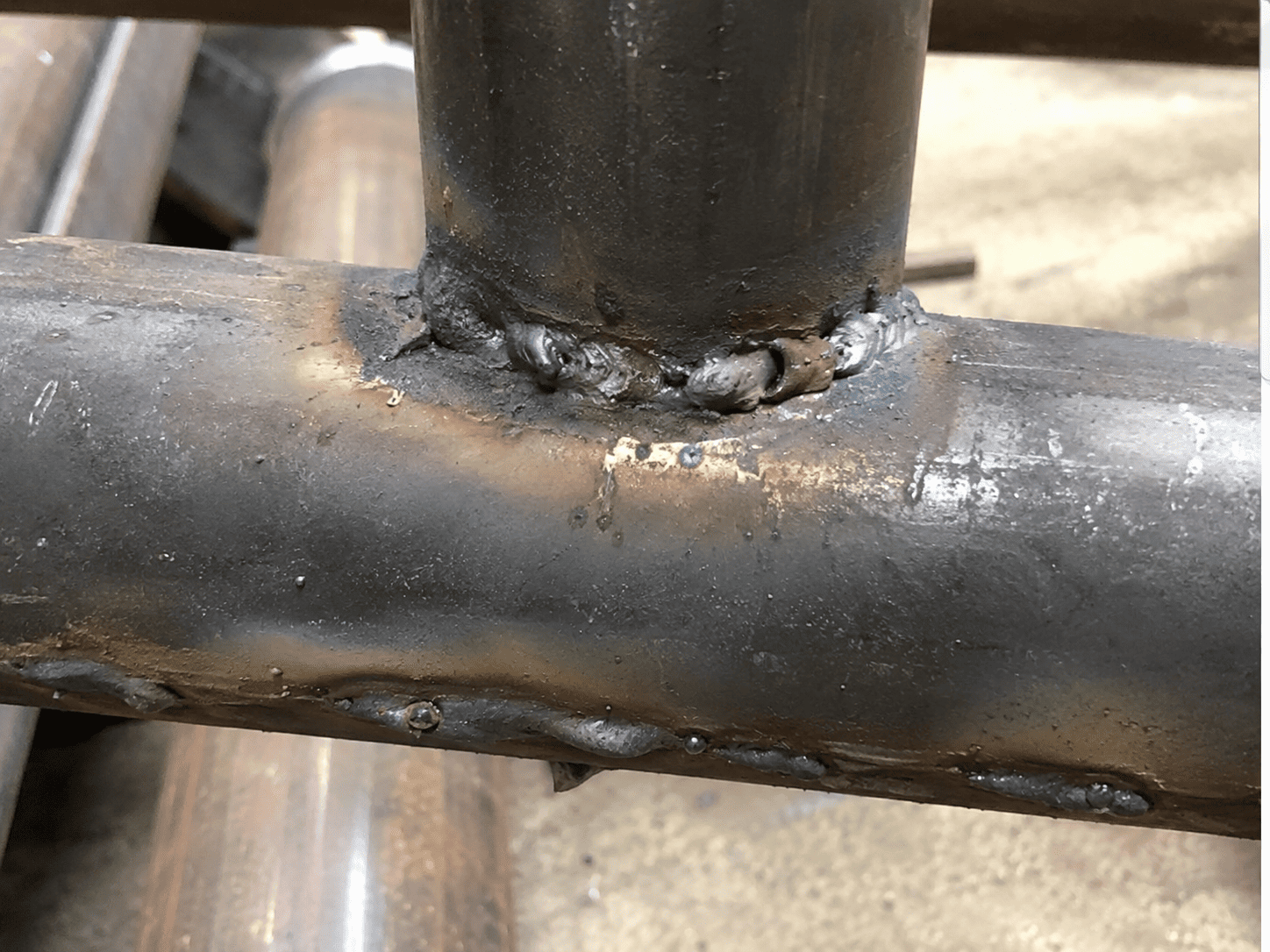
Identifying weld inconsistency is the first step towards fixing it. Inconsistent welds result from multiple factors that can affect the performance of fabricated components. Some of the major welding defects include an uneven weld bead appearance and variable penetration, which compromise joint strength.
Other common defects include excessive spatter, undercuts, and porosity, which not only affect structural integrity but may also lead to premature failure. In fact, inconsistent bead width is a clear indicator of poor weld quality.
The real-world business impact of these major defects can be substantial, as it can directly affect a company’s reputation and profitability. Manufacturers may face customer complaints, increased repair costs, frequent failed inspections, and lower productivity. Here we have discussed 5 solid reasons for inconsistent welds.
Reason #1 – Constantly Changing Welding Positions
Poor-quality welds result from a lack of control and frequent changes in welding position throughout the entire welding process. The welders must understand that flat, vertical, overhead, and horizontal welds require different techniques and skill sets. As welders change positions, maintaining quality becomes challenging.
The result is non-uniform bead profiles, variable penetration, and many other welding defects. However, employing a welding positioner helps overcome these challenges by rotating and positioning the workpiece to the ideal flat position. It allows welders to maintain travel speed and torch angles, and to work in the most controlled position.
Reason #2 – Difficulty Maintaining a Consistent Travel Speed
Travel speed often fluctuates unintentionally, especially when handling pipes, cylindrical components, and flanges manually. Variation in speed directly affects weld quality. For instance, slower travel speeds result in excessive buildup and increased heat input. Whereas faster travel speed leads to a lack of fusion and insufficient penetration. Even skilled welders struggle while moving around the workpiece
So, how does a welding positioner address this issue? It provides smooth, controlled rotation of the workpiece, resulting in a consistent weld bead and improved weld quality. The controlled welding environment helps create uniform travel speed throughout the weld.
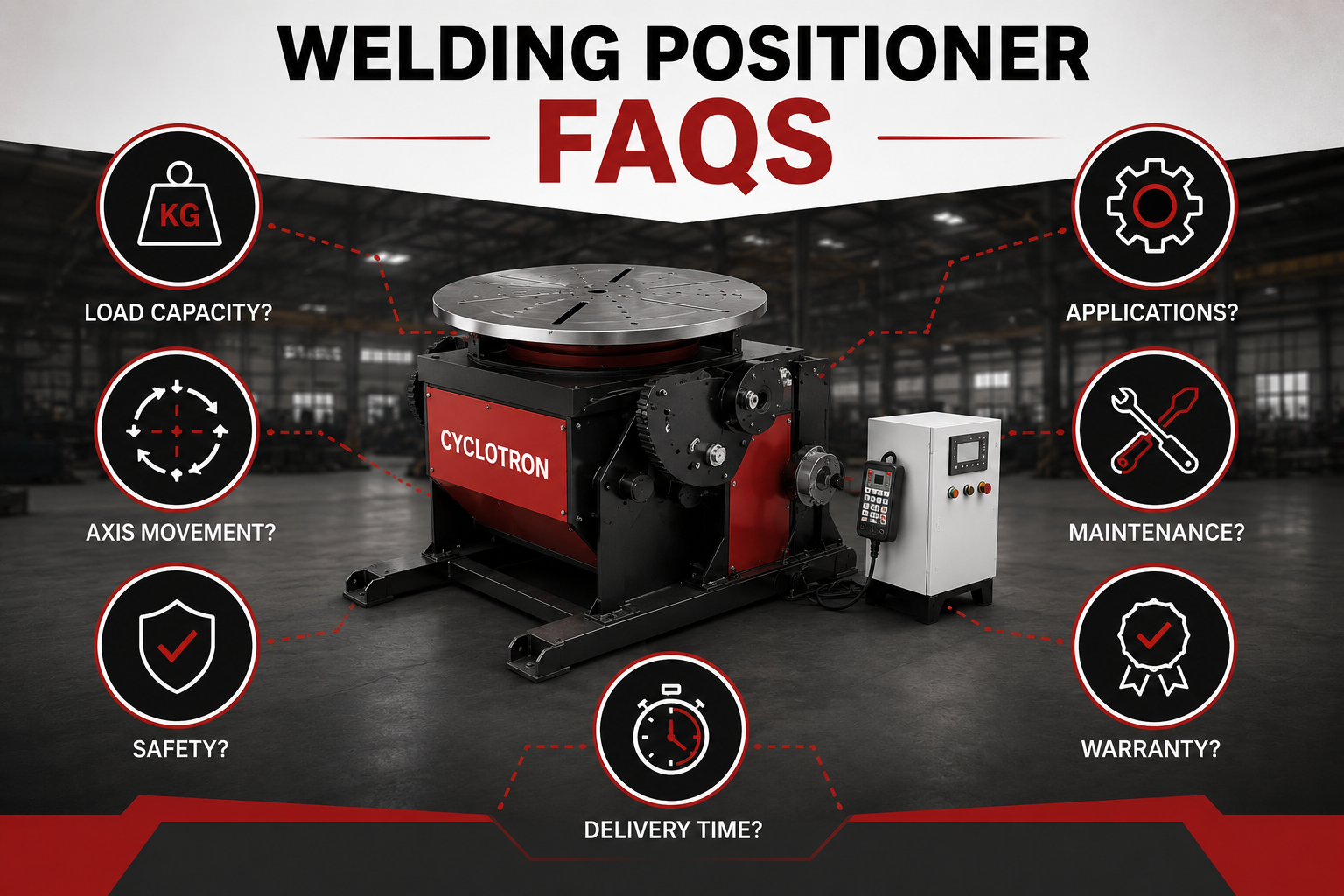
Cyclotron Welding Positioners from India
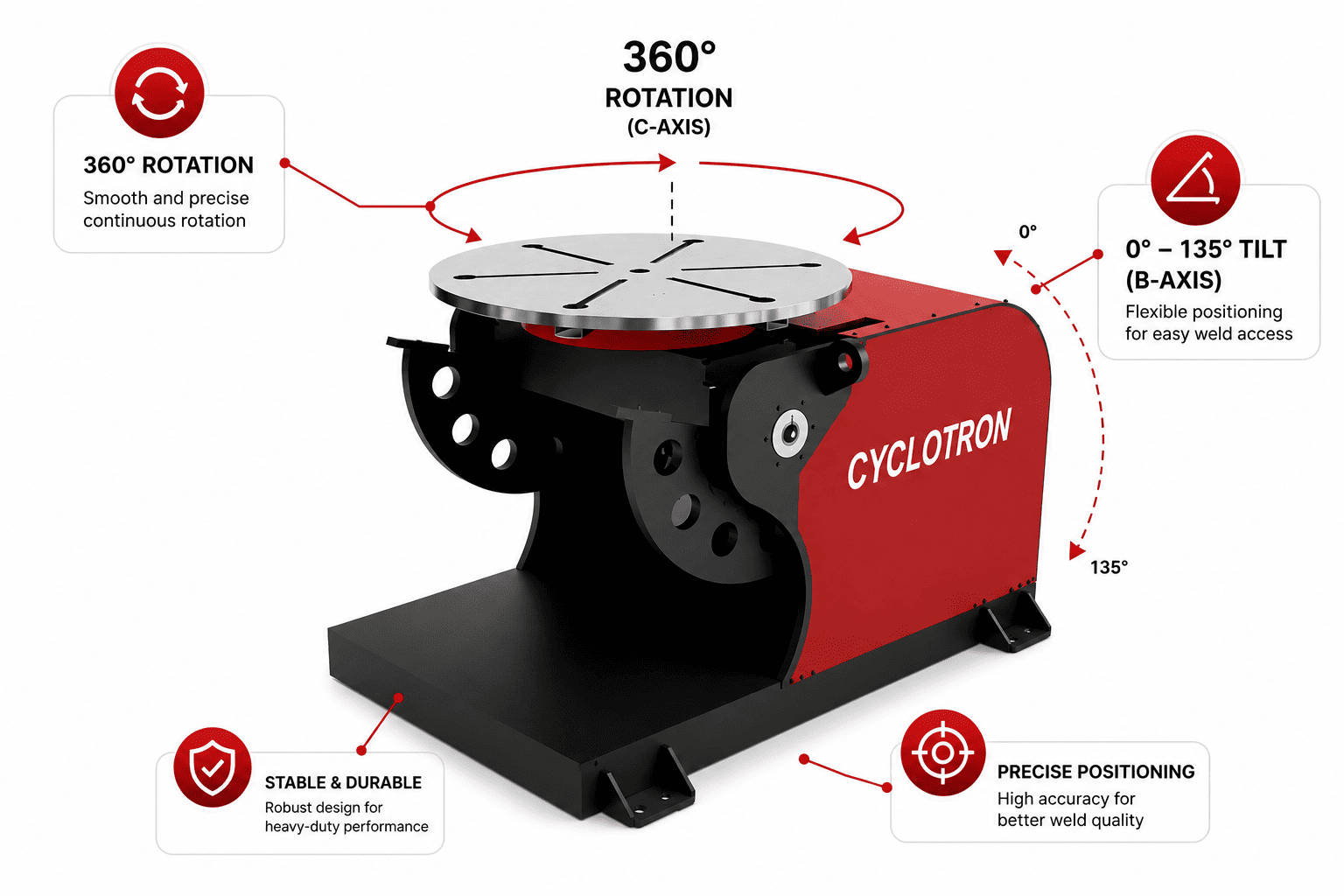
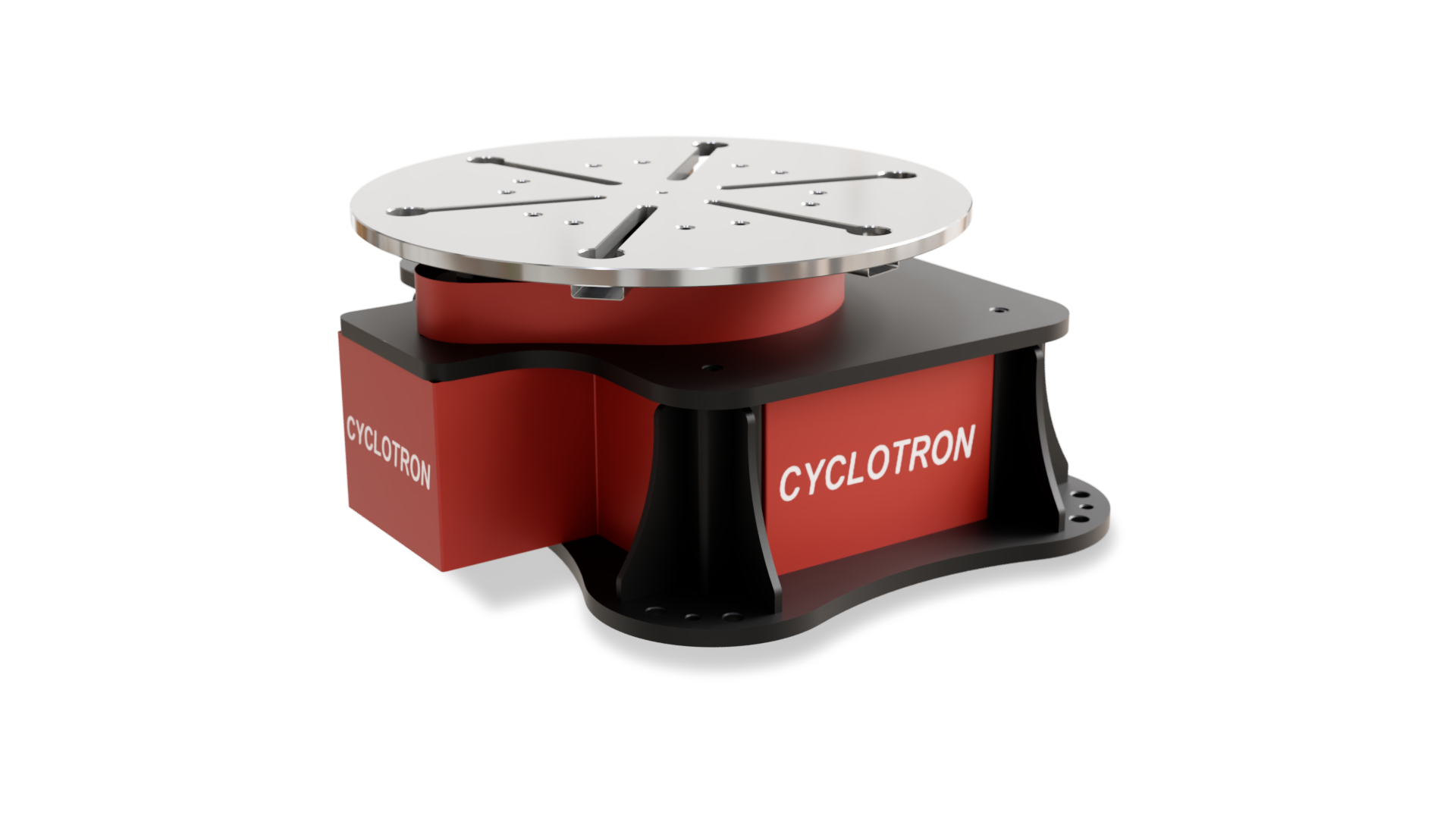
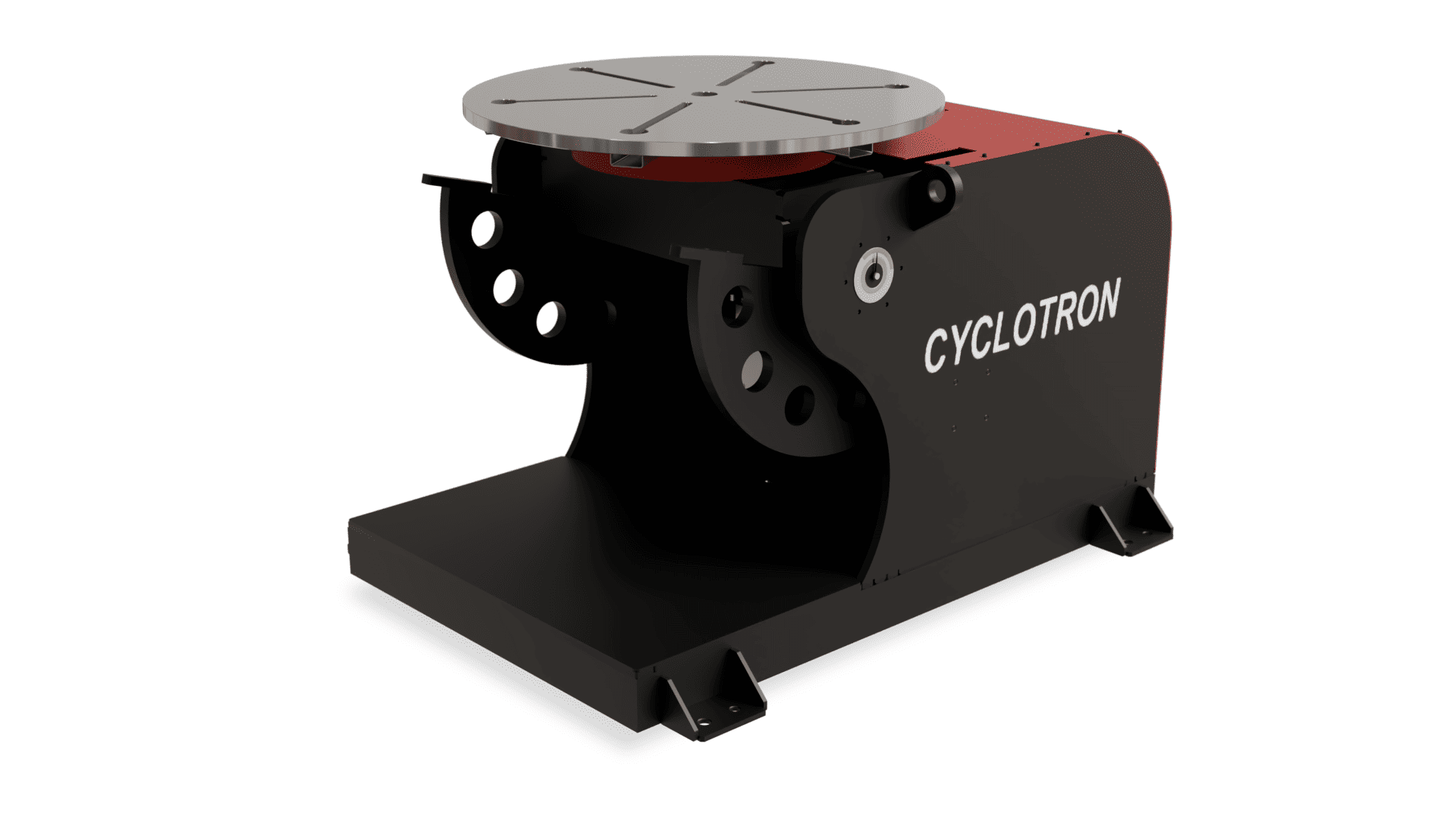
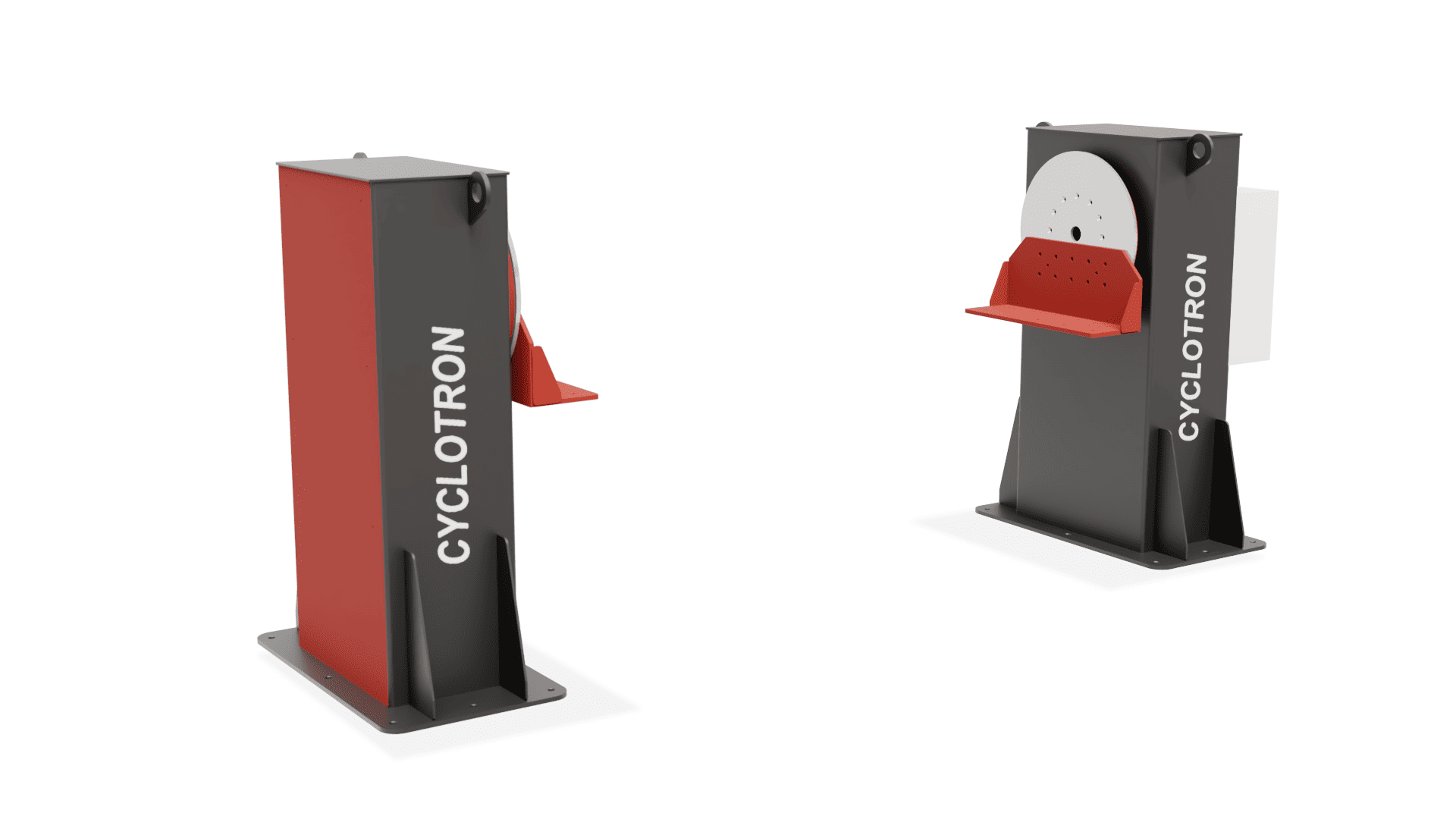
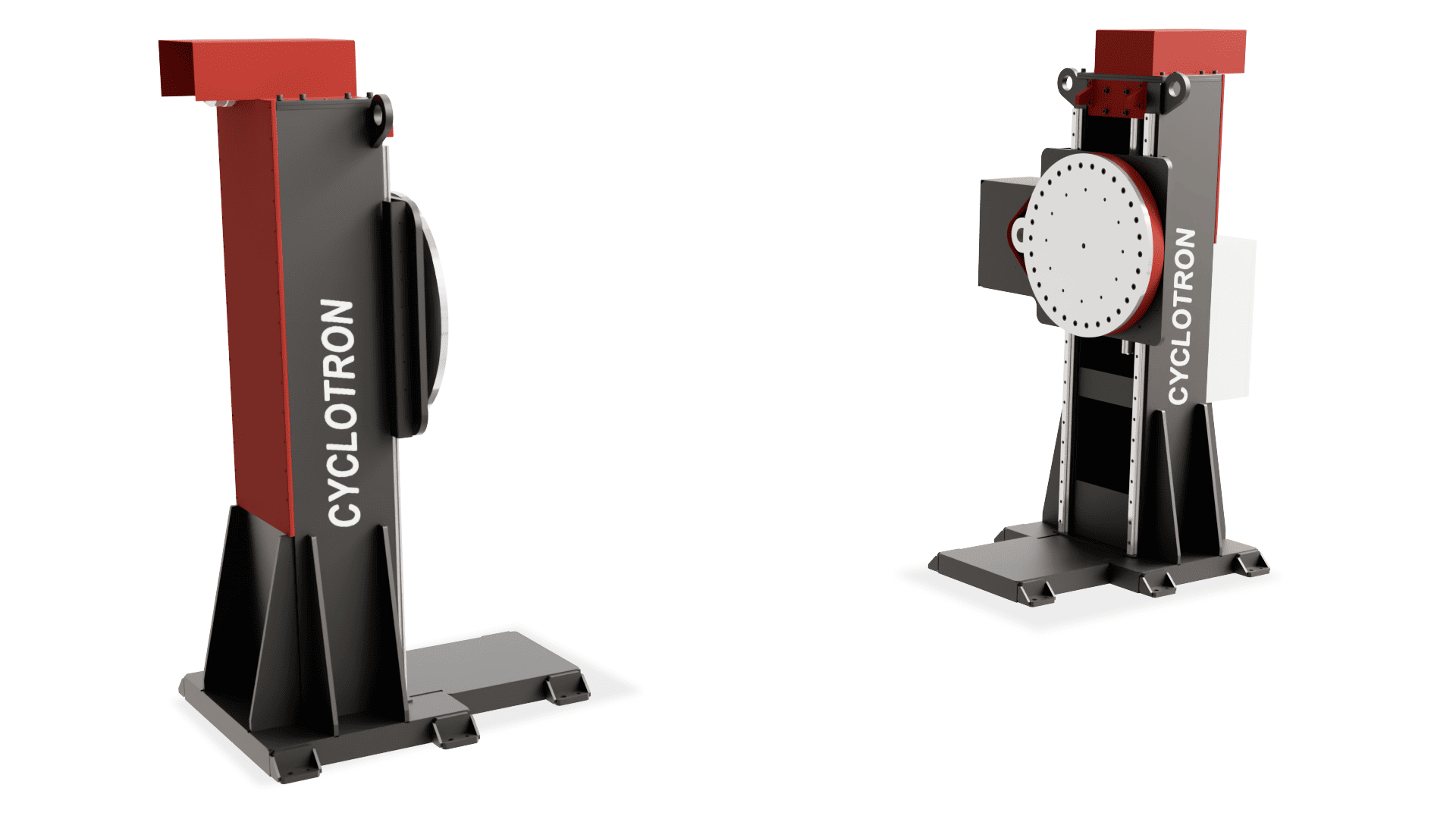
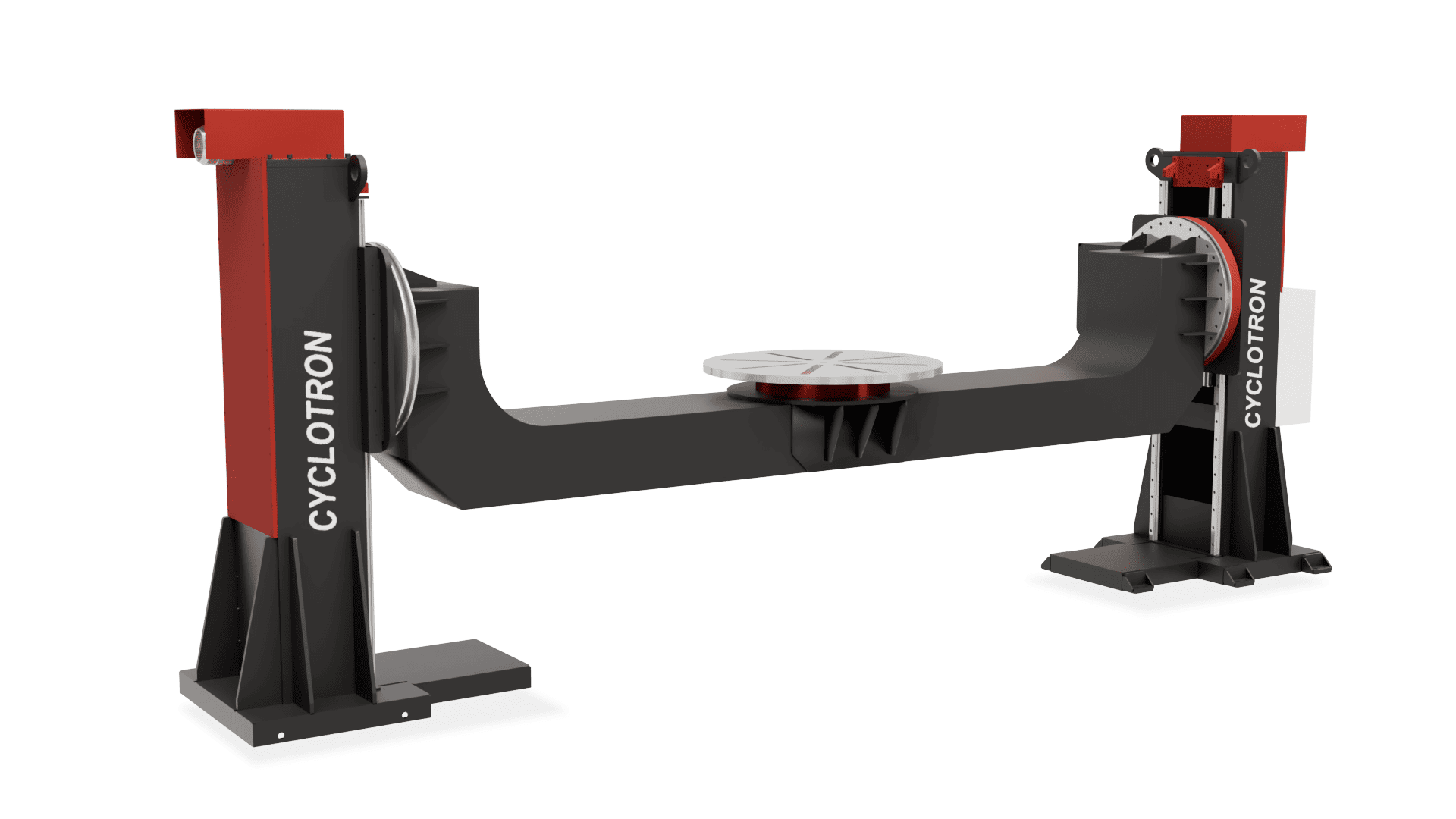
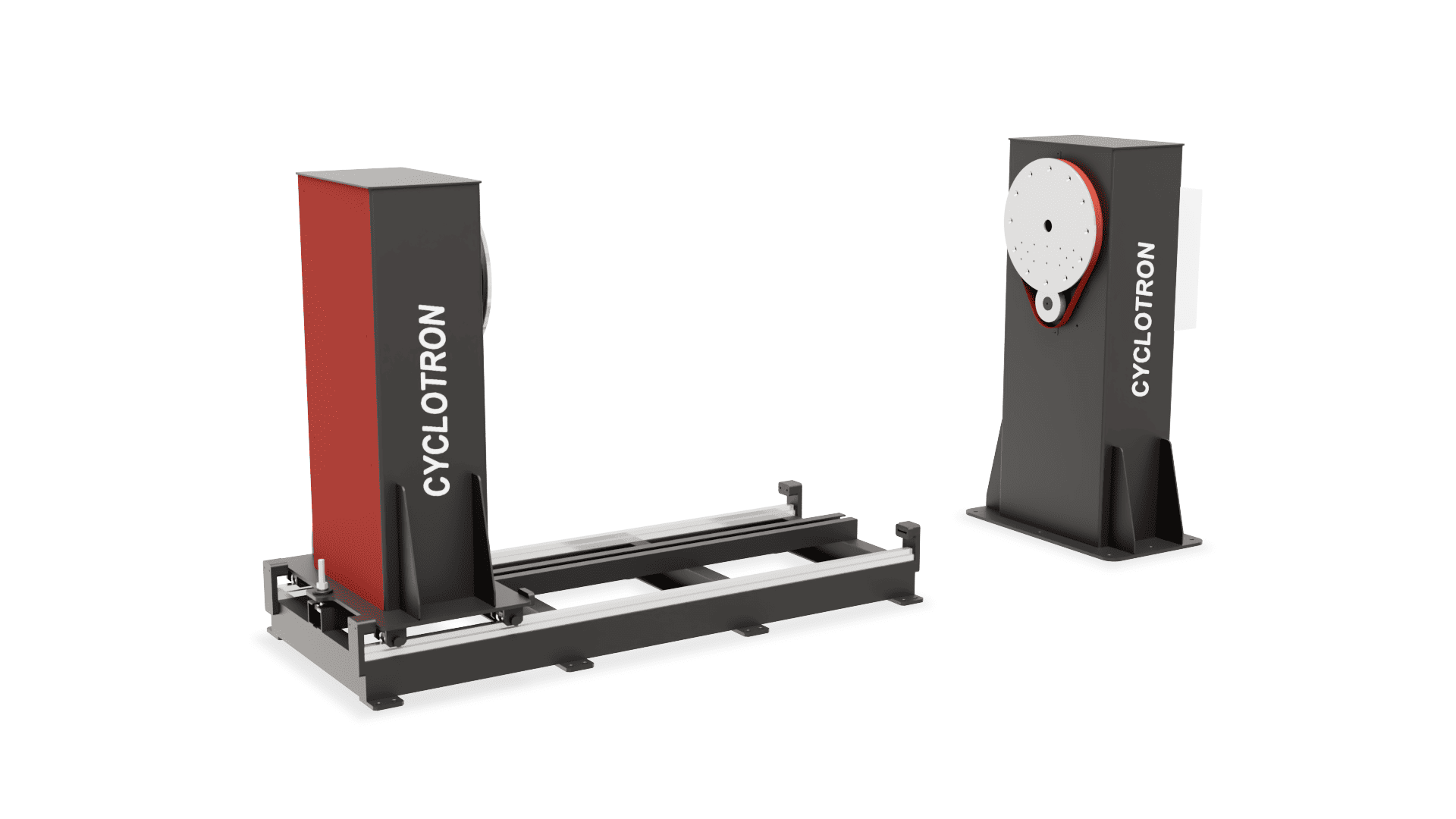
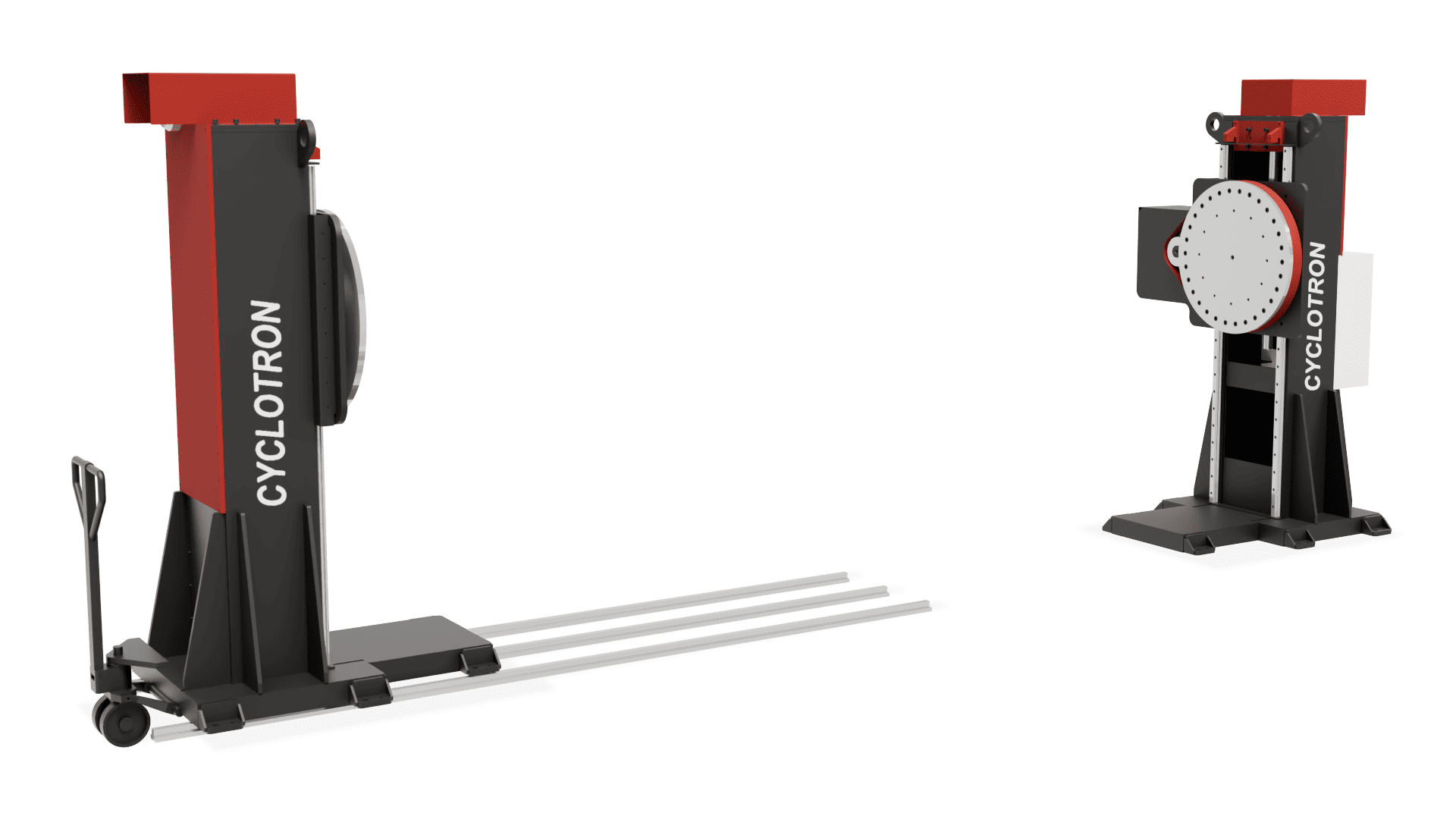
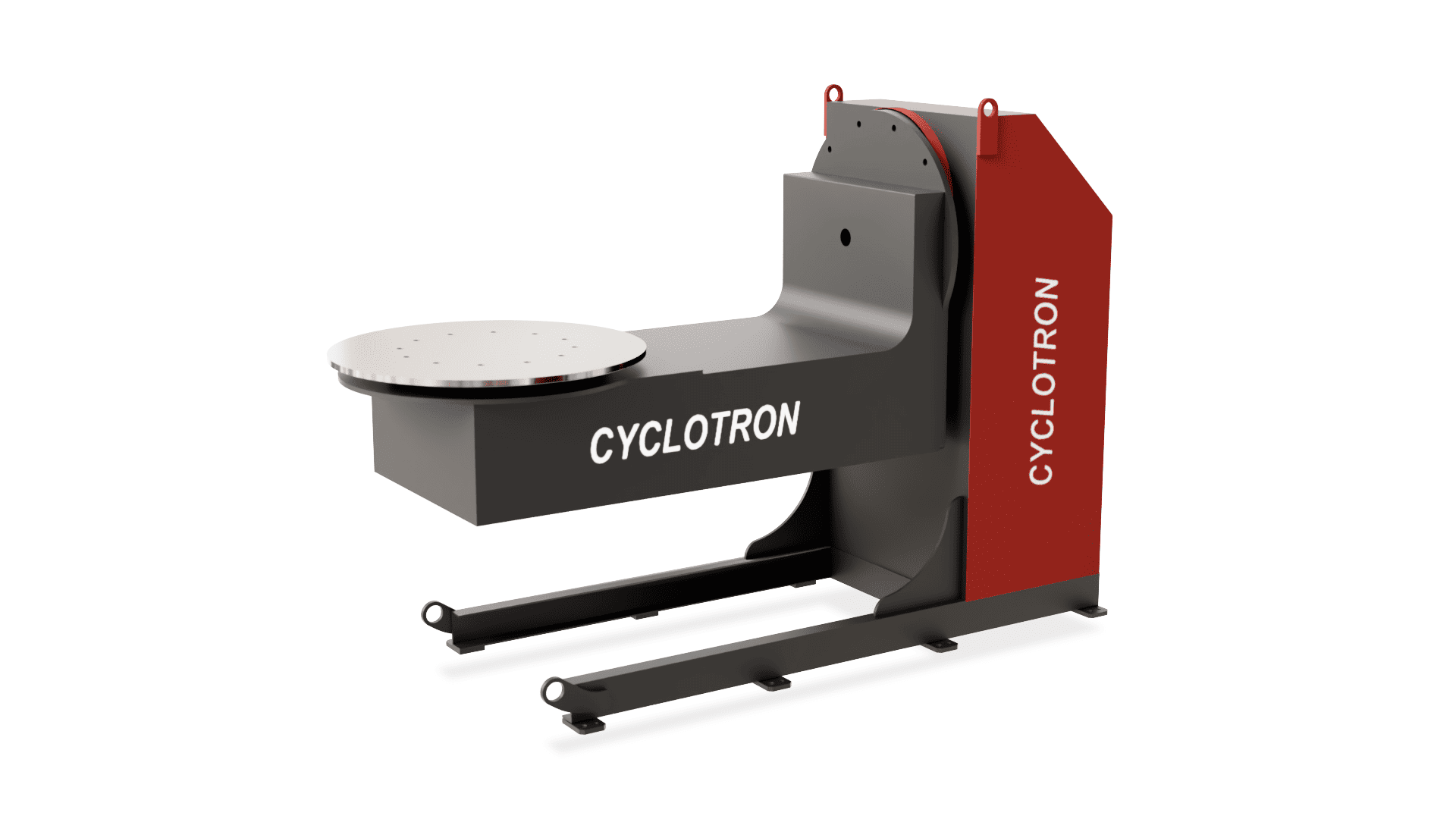
Cyclotron manufactures industrial welding positioners from 100 kg to 100 Tons capacity, designed for robotic/manual welding, heavy fabrication, and high-production welding environments.
- Cyclotron manufactures all types of Manual/Robotic welding positioners like 1 axis, 2 axis, 3 axis, Headstock-tailstock, L Type, skyhook, etc
Reason #3 – Poor Torch Angle Control
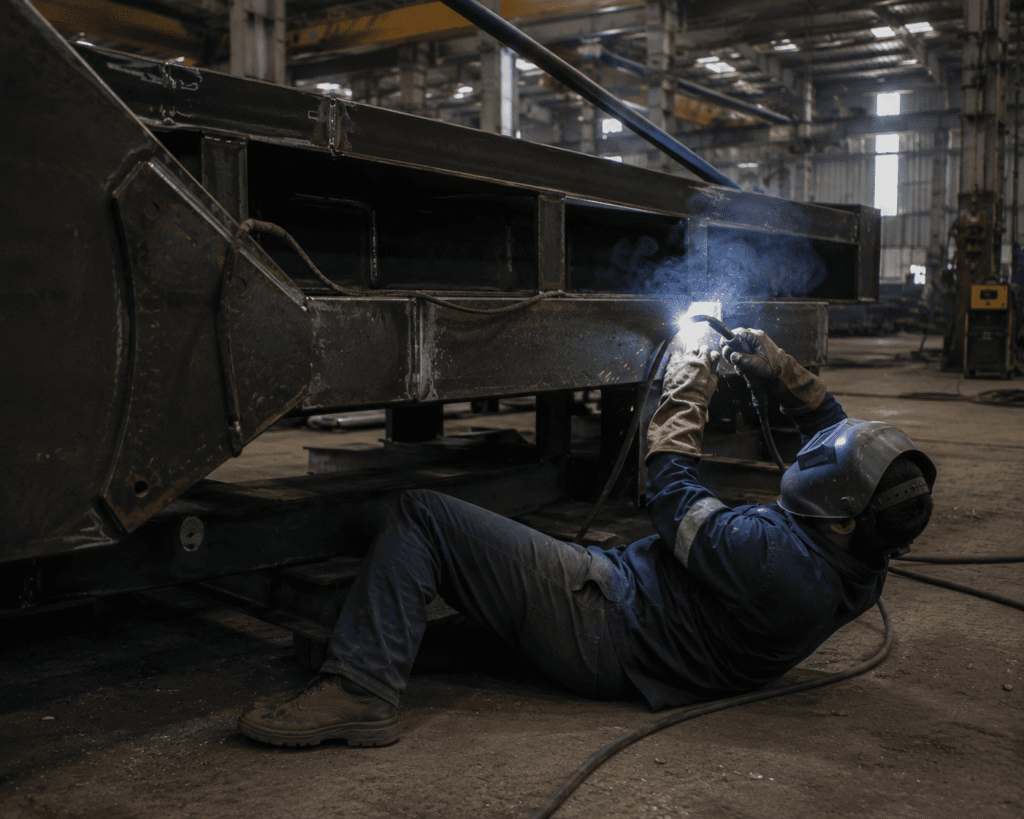
Maintaining the right torch angle on massive or awkward components is quite difficult for even skilled welders. They have to stretch or contort their bodies to reach a joint, especially in large fabrications. It results in torch angle slip, which negatively affects the welding integrity. It also leads to Incomplete fusion, as the arc fails to fully mix the filler metal and base metal.
Uneven penetration and Excessive spatter are the other defects that occur due to incorrect welding torch angle.
However, a positioner helps process by keeping the workpiece at the optimum angle and bringing the joints to the welder. It enables welders to maintain a consistent torch positioning from the start to the finish
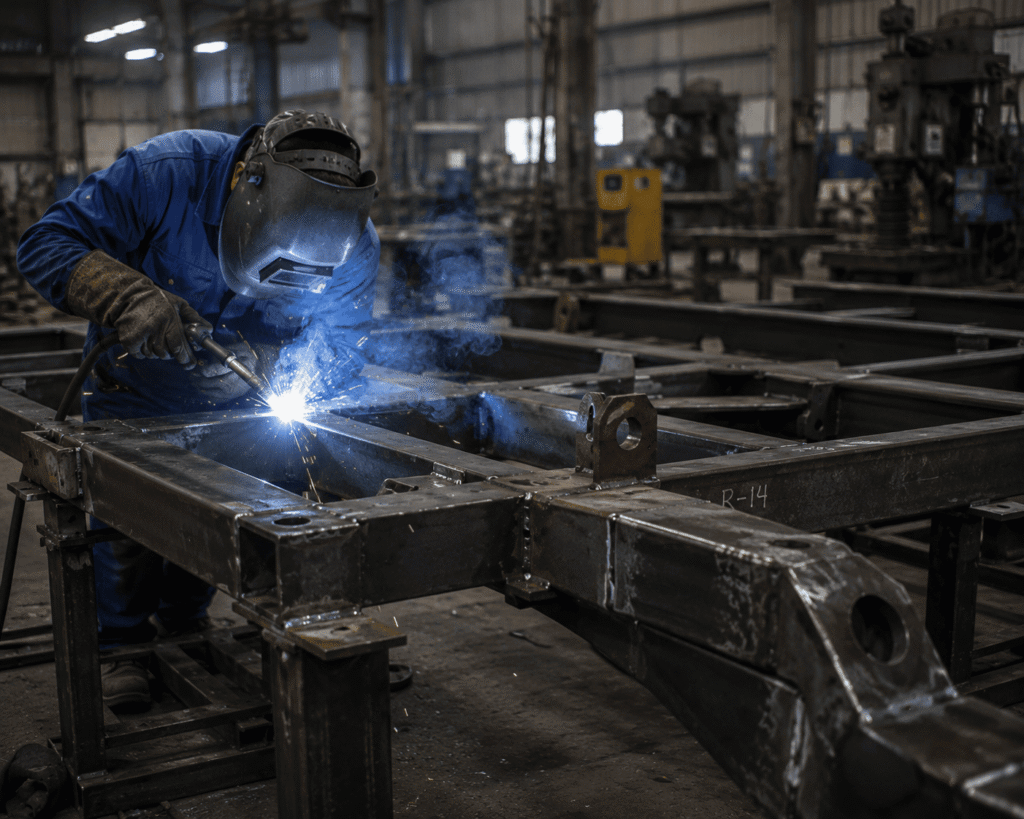
Reason #4 – Operator Fatigue During Long Welding Cycles
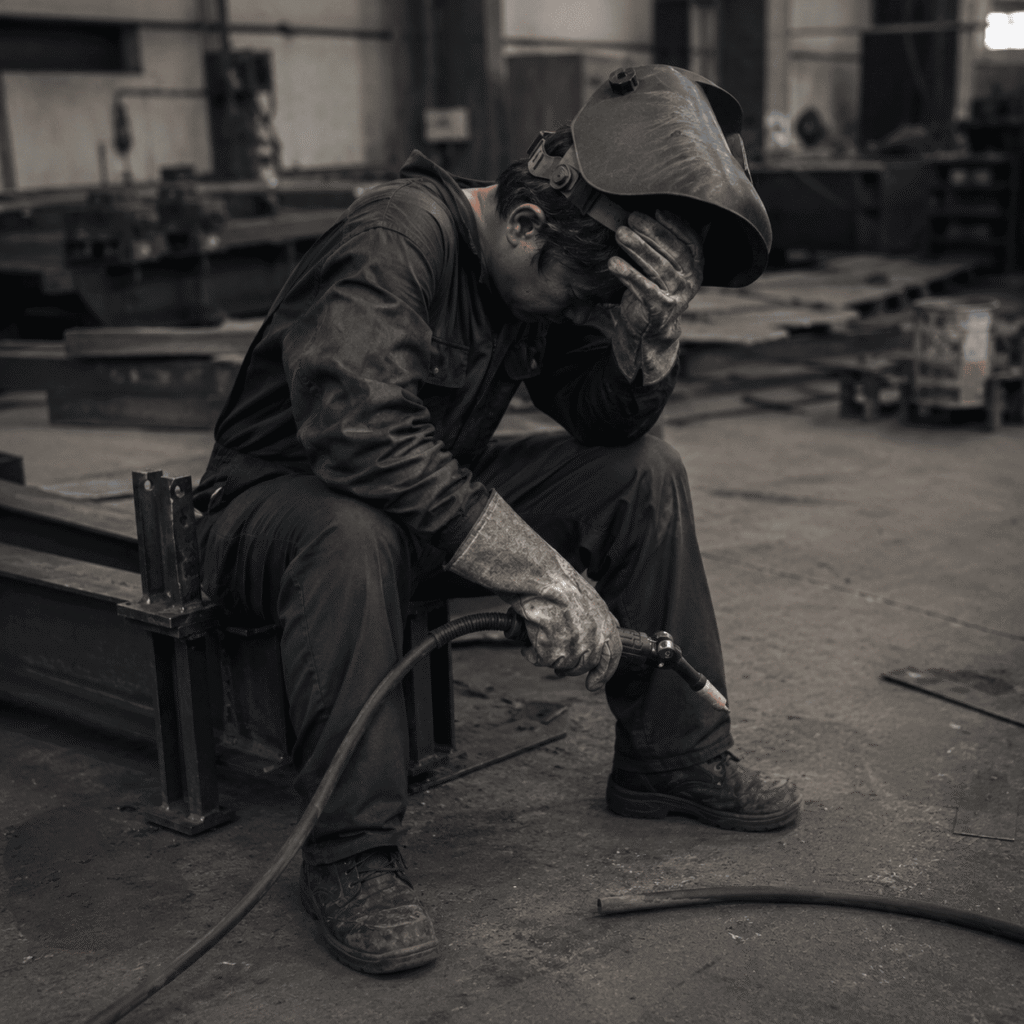
Welding of complex industrial fabrication is both mentally and physically demanding. Operators have to spend hours stretching, bending, and holding uncomfortable positions to weld hard-to-reach joints, which increases the length of shifts. Hence, achieving precision becomes impossible.
It further results in low productivity, reduced concentration, and more errors. Thus, leading to greater variation in weld quality and travel speed.
The strategic solution to reducing welder fatigue is to integrate a positioner into your setup. Not only does it improve ergonomics, but it also ensures comfortable welding positions throughout the job. This sustained comfort helps lower welding defect rates.
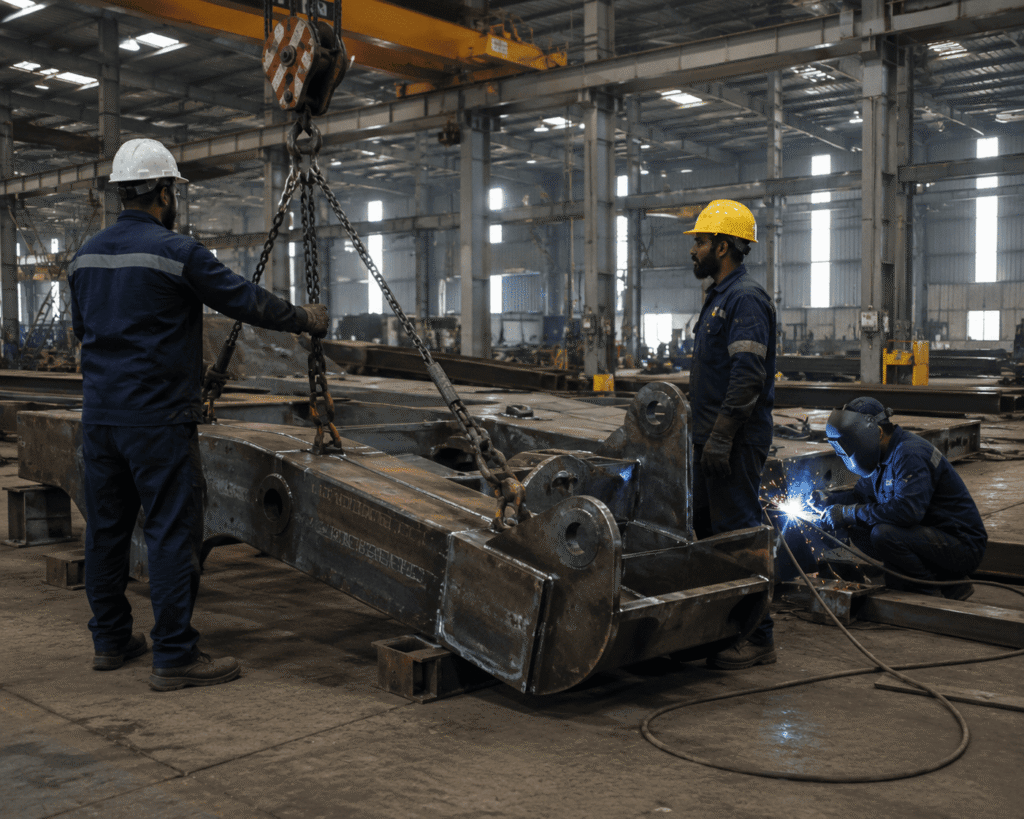
Reason #5 – Frequent Manual Repositioning of Heavy Parts
When welding large fabrication structures, welders have to frequently move components using cranes or the workforce. Unfortrepositioning or repositioning of fabricated components introduces alignment variations and workflow interruptions.
However, manually rigged and flipped components introduce geometric inconsistencies that alter the dimensions of the entire assembly.
Further, minor shifts and tight tolerances create inconsistent fit-ups. The welders have to reposition and readjust the travel speed and parameters to compensate for even the slightest shifts.
The most effective solution is to deploy the positioner in the setup to eliminate the need for cranes for frequent rotation. It’s one of the best advantages of a welding positioner: it provides precise, repeatable positioning, ensures perfect alignment, and offers motorized rotation. Moreover, minimizing manual handling also reduces handling-related errors and enhances workshop productivity.
Conclusion
The major causes of inconsistent welds are misalignment, undersized components, and positioning challenges that welders struggle with while working with the workpiece. Quality issues often arise due to poor torch control, fatigue, guesswork, and manual handling.
A welding positioner eliminates these challenges by automating rotation and consistently bringing the workpiece into the ideal welding position. The result is better weld quality, greater repeatability, higher productivity, and reduced rework.
Looking to improve weld quality and production efficiency? Explore Cyclotron’s range of welding positioners designed specifically to handle loads from 200 kg to 50 tons. Contact us today!
Cyclotron Welding Positioners from India
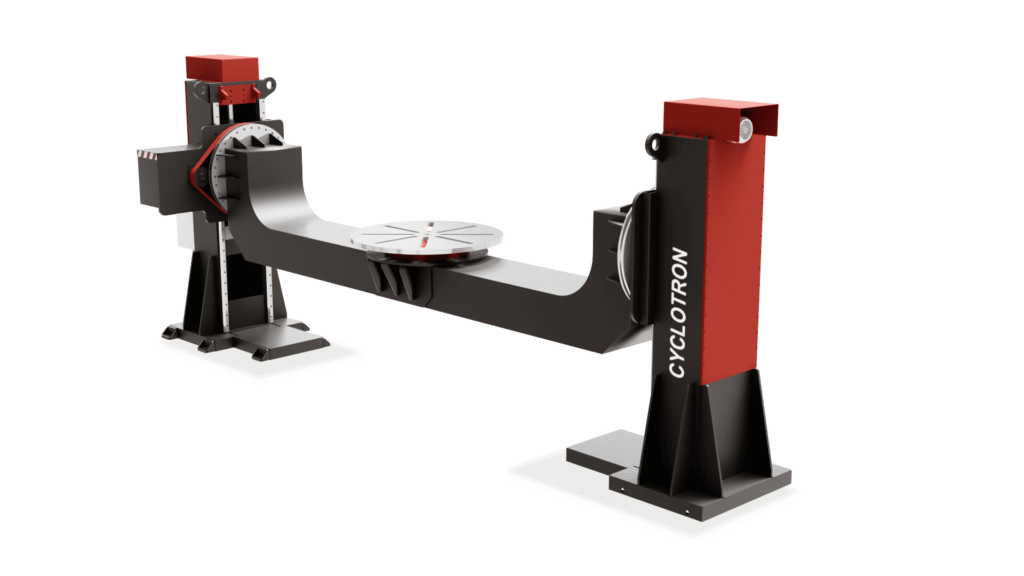
Cyclotron manufactures industrial welding positioners from 100 kg to 100 Tons capacity, designed for robotic/manual welding, heavy fabrication, and high-production welding environments.
- Cyclotron manufactures all types of Manual/Robotic welding positioners like 1 axis, 2 axis, 3 axis, Headstock-tailstock, L Type, skyhook, etc
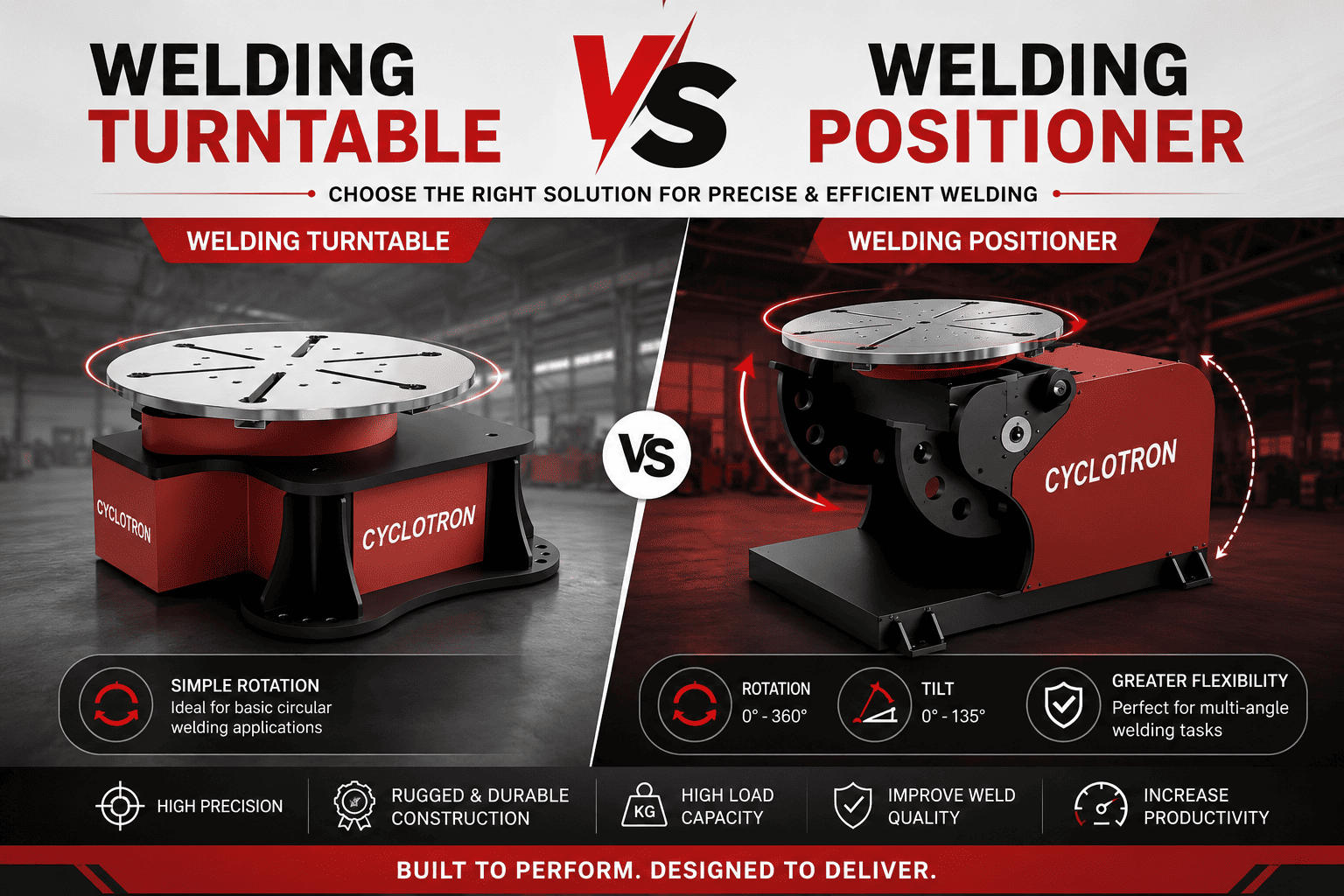
Welding Turntable vs Welding Positioner: What’s the Difference?
A welding turntable provides simple rotation for smooth, consistent welds. A welding positioner can also tilt and angle the workpiece,
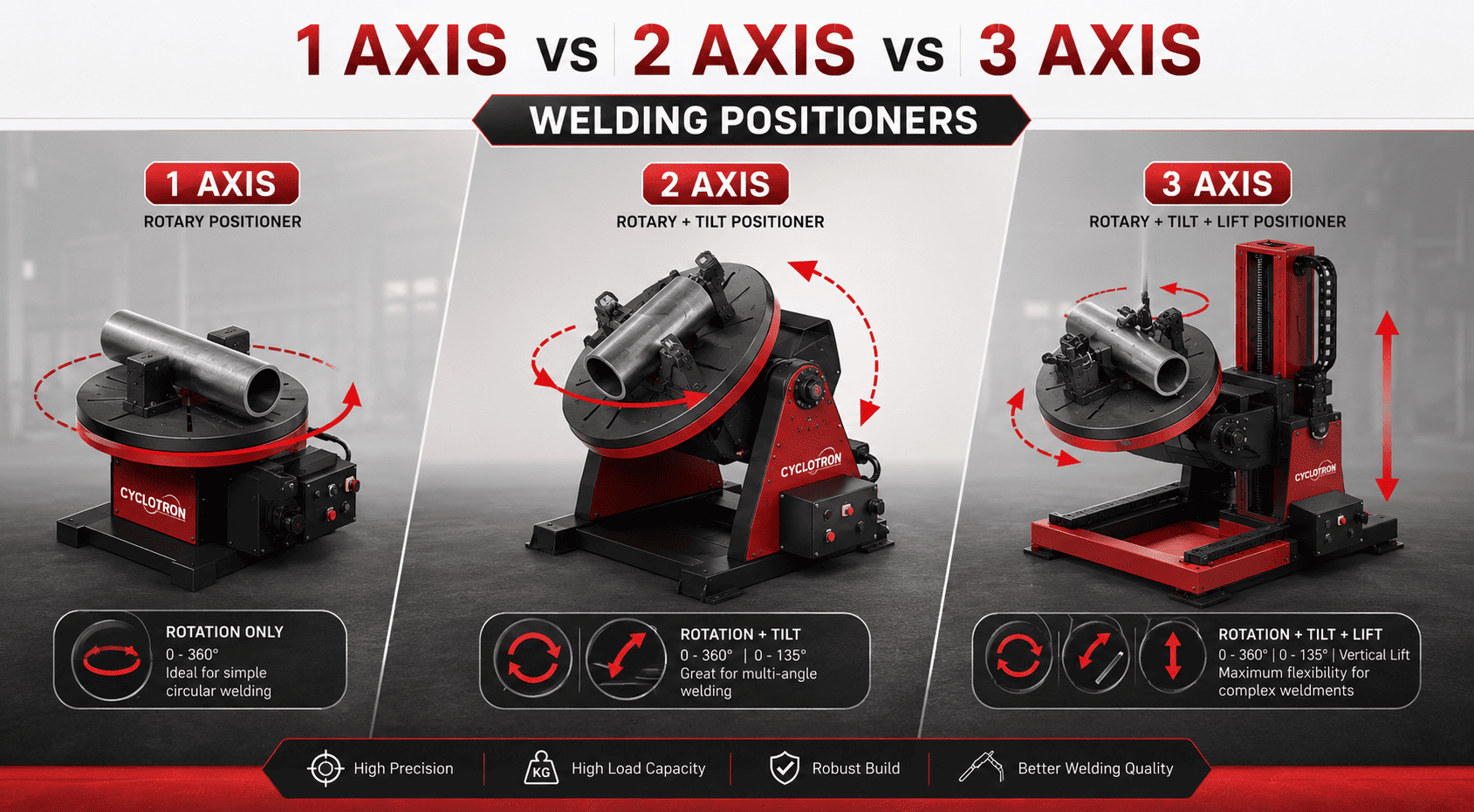
1 Axis vs 2 Axis vs 3 Axis Welding positioners
Compare 1 axis vs 2 axis vs 3 axis welding positioners based on rotation, tilt, flexibility, applications, cost, and automation. Learn which welding positioner is best for your fabrication needs.
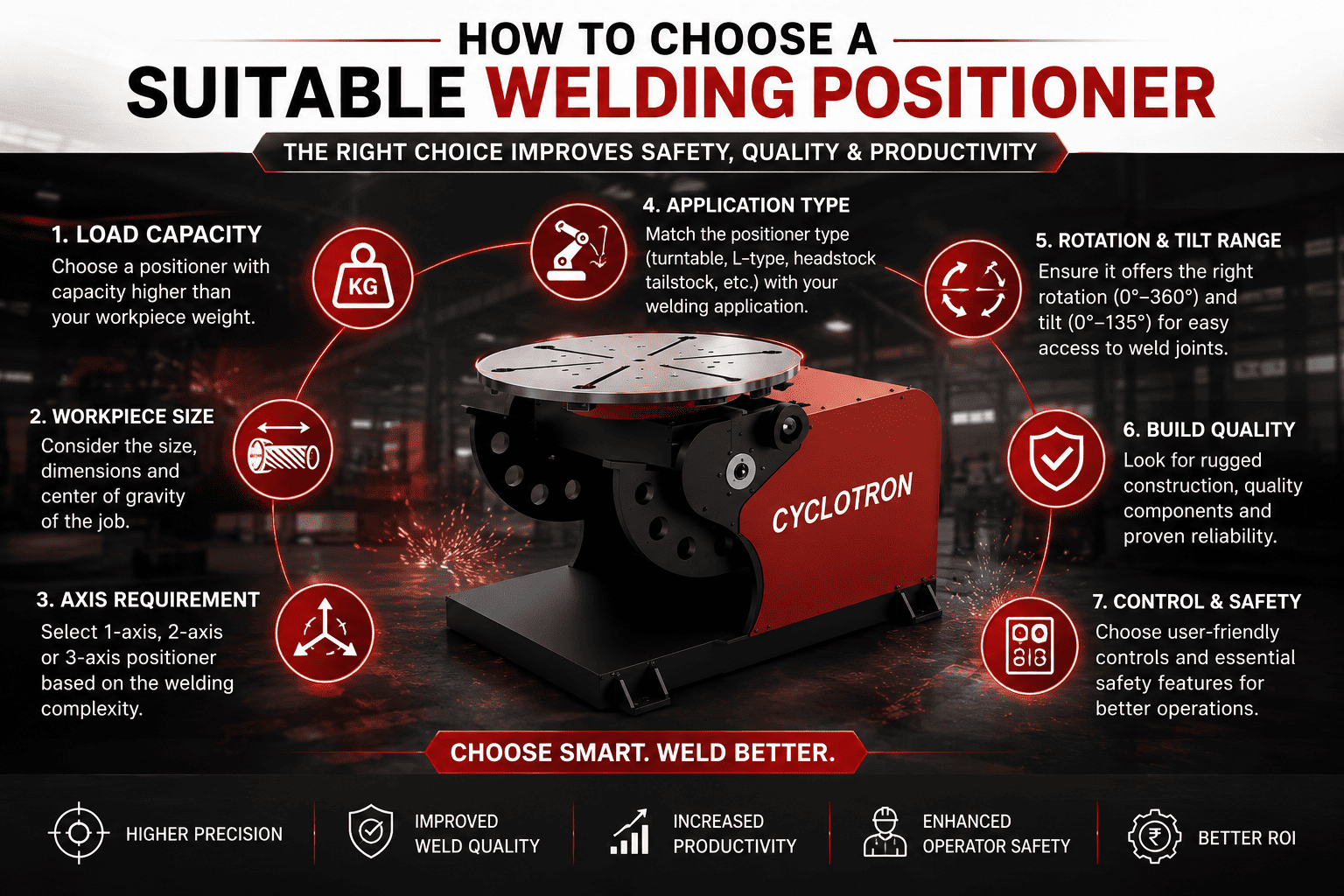
How to select a suitable welding positioner?
Selecting the right welding positioner plays a critical role in the fabrication setup. Welding positioners are designed to handle different load ranges.
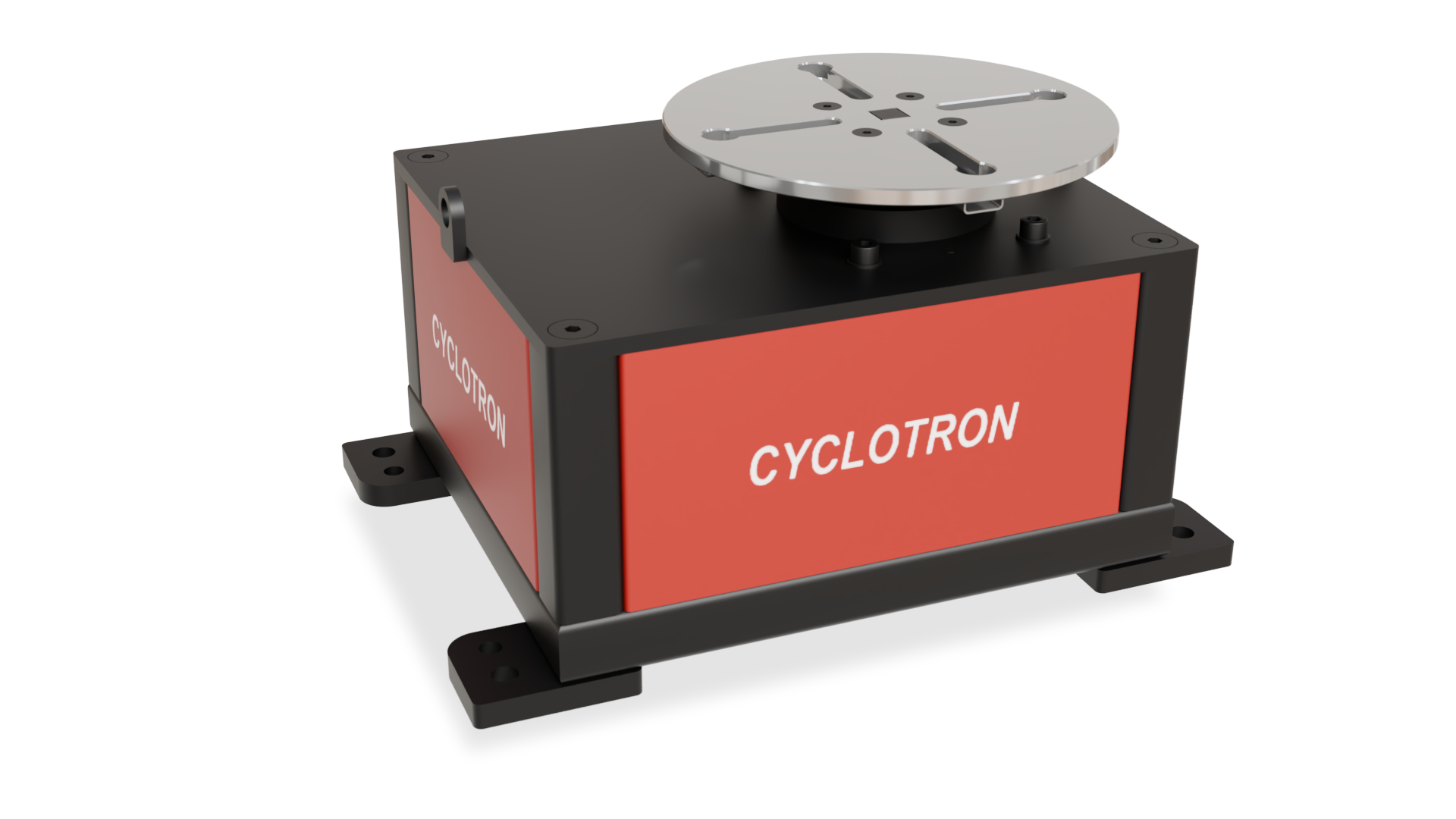
In this blog we will address all the commonly asked questions related to Welding positioners or Cyclotron Welding positioners specifically