10 Ton Welding Positioner for Truck Dumper in Chhattisgarh
Case Study: 2
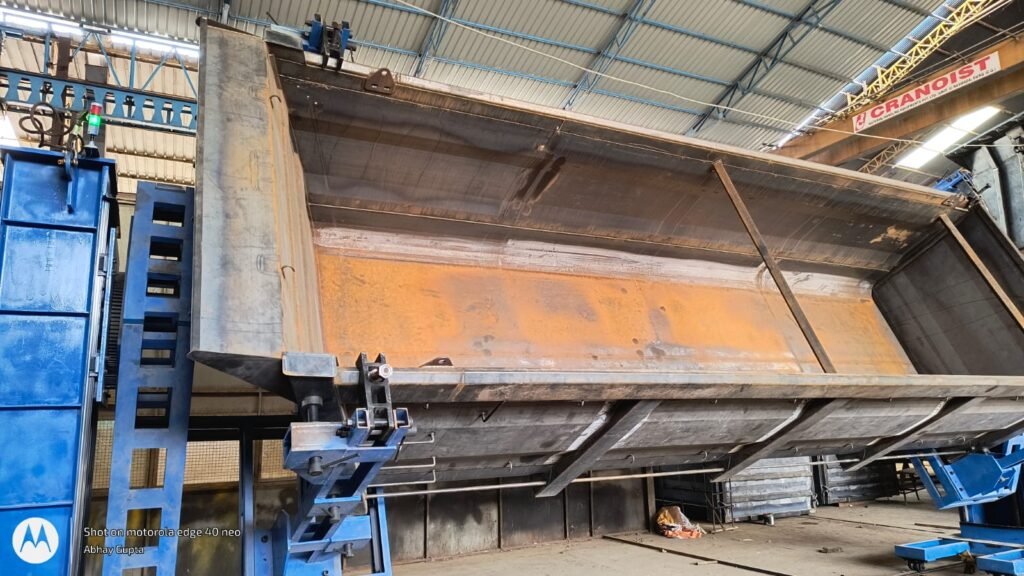
A truck dumper body manufacturer in Chhattisgarh approached Cyclotron positioners to improve production capacity and enhance safety during fabrication. The company manufactures heavy truck dumper bodies weighing approximately 6 tonnes and measuring 6 to 7 metres in length for the mining industry. While the welding process itself was well established, repeated crane-assisted repositioning of the workpiece between welds was increasing production time and creating safety challenges.
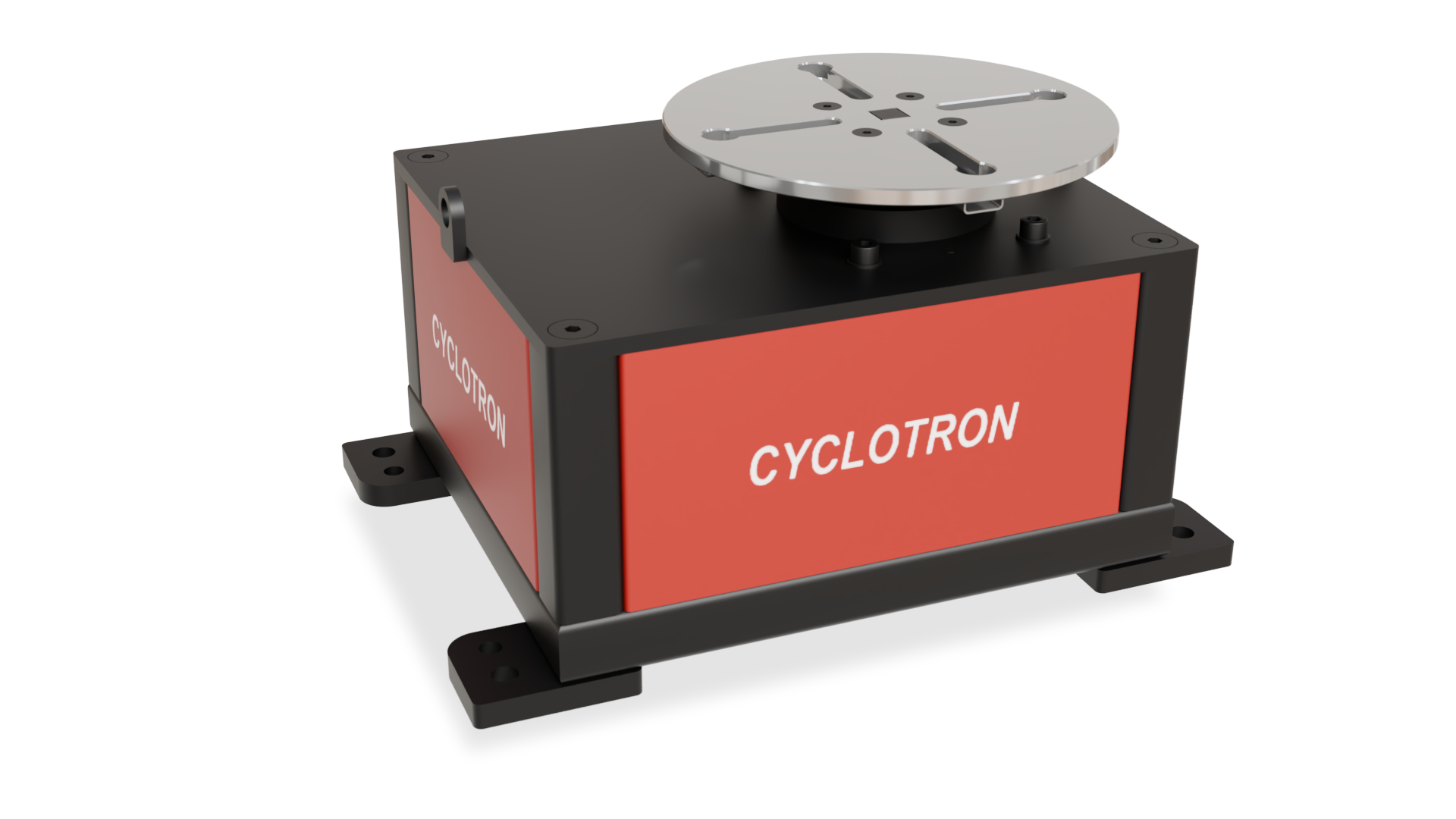
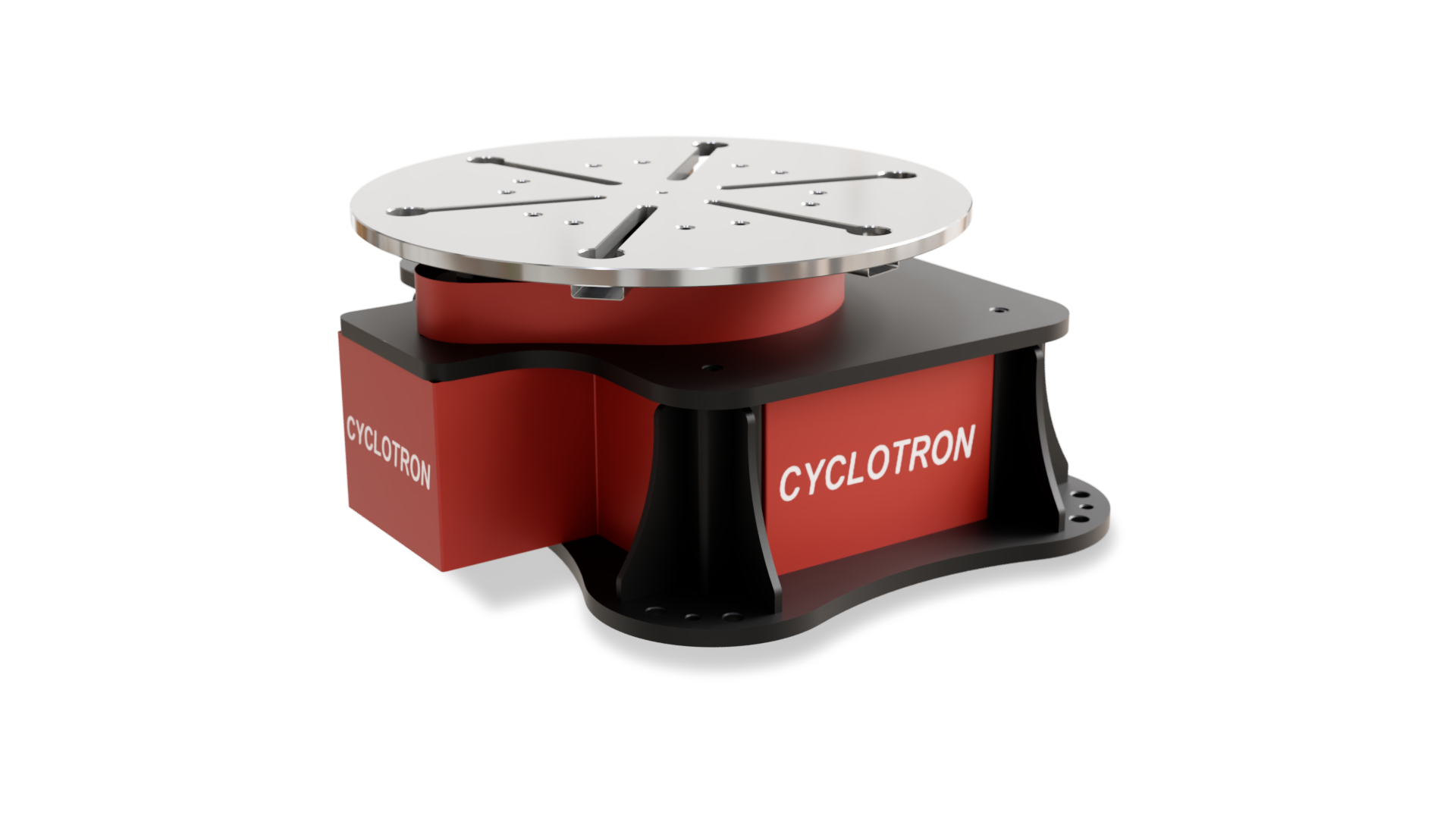
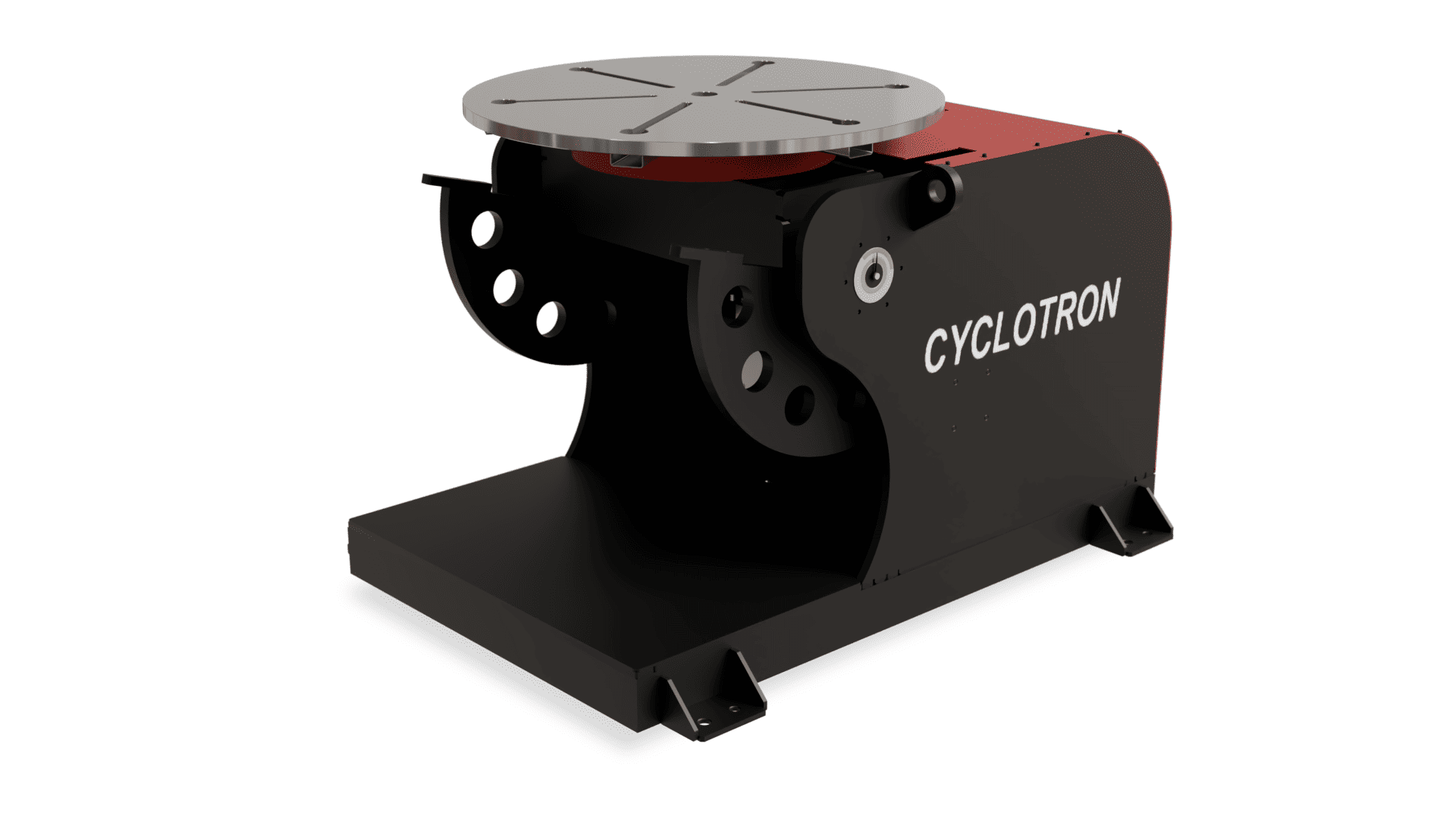
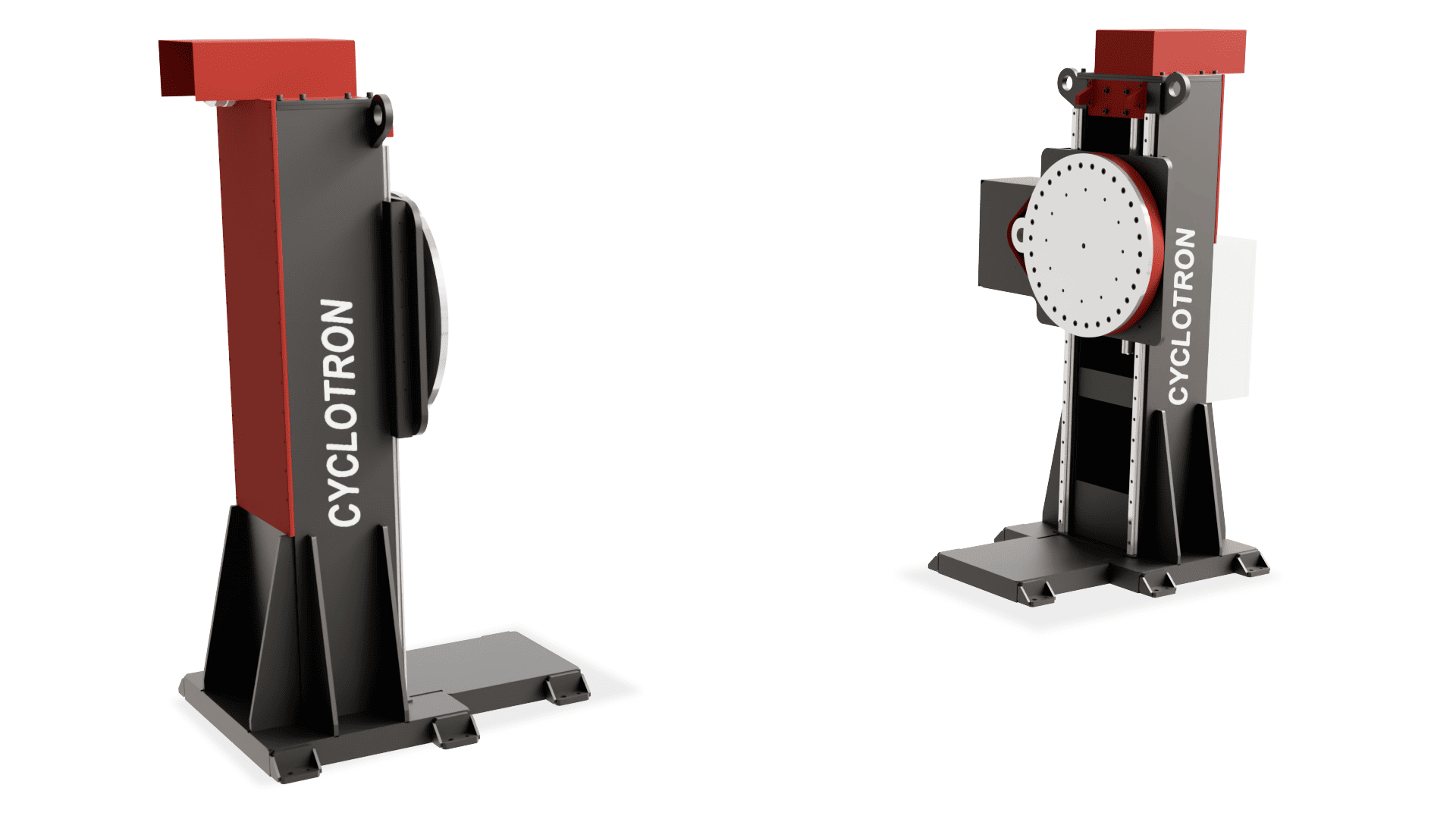
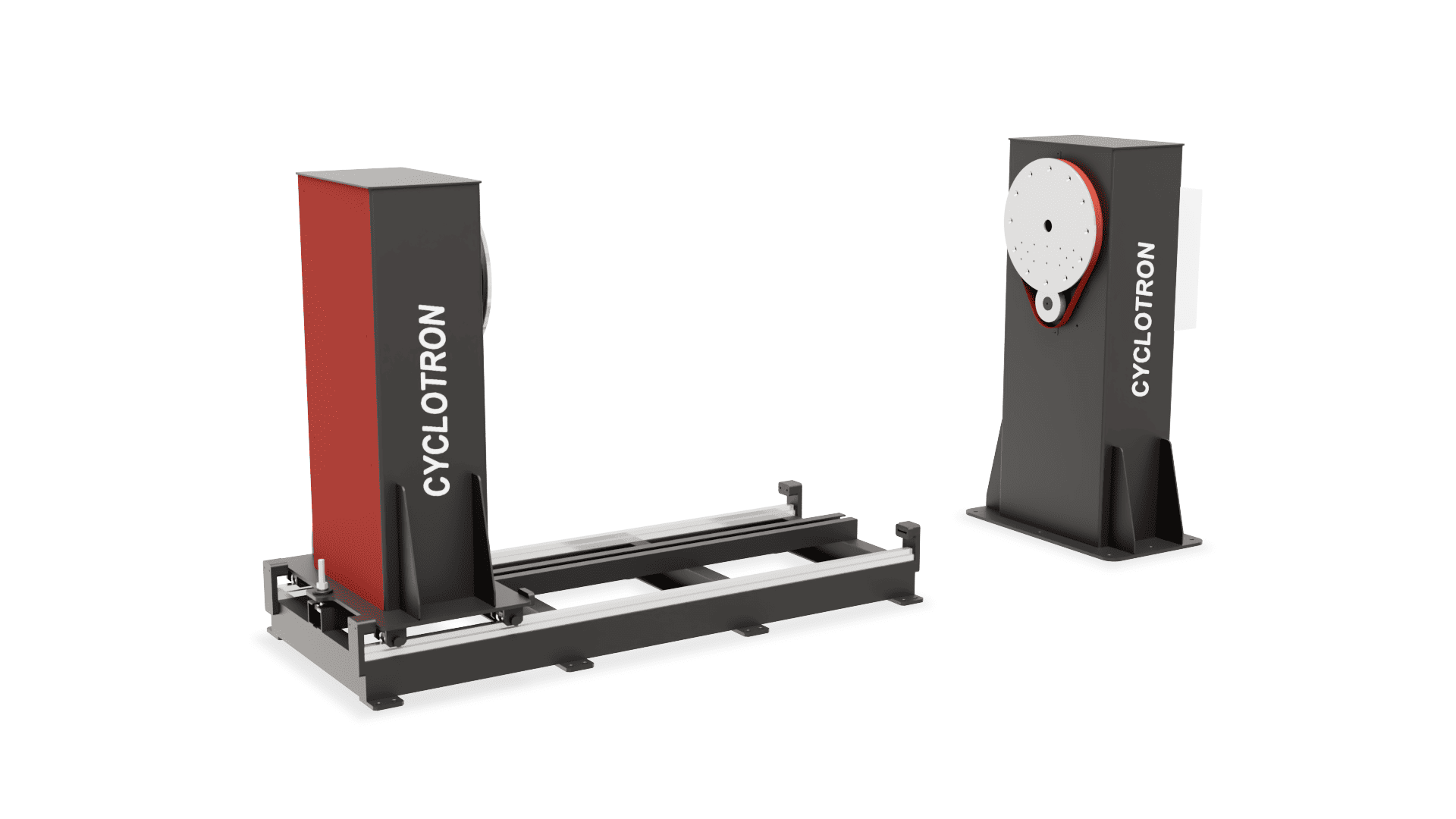
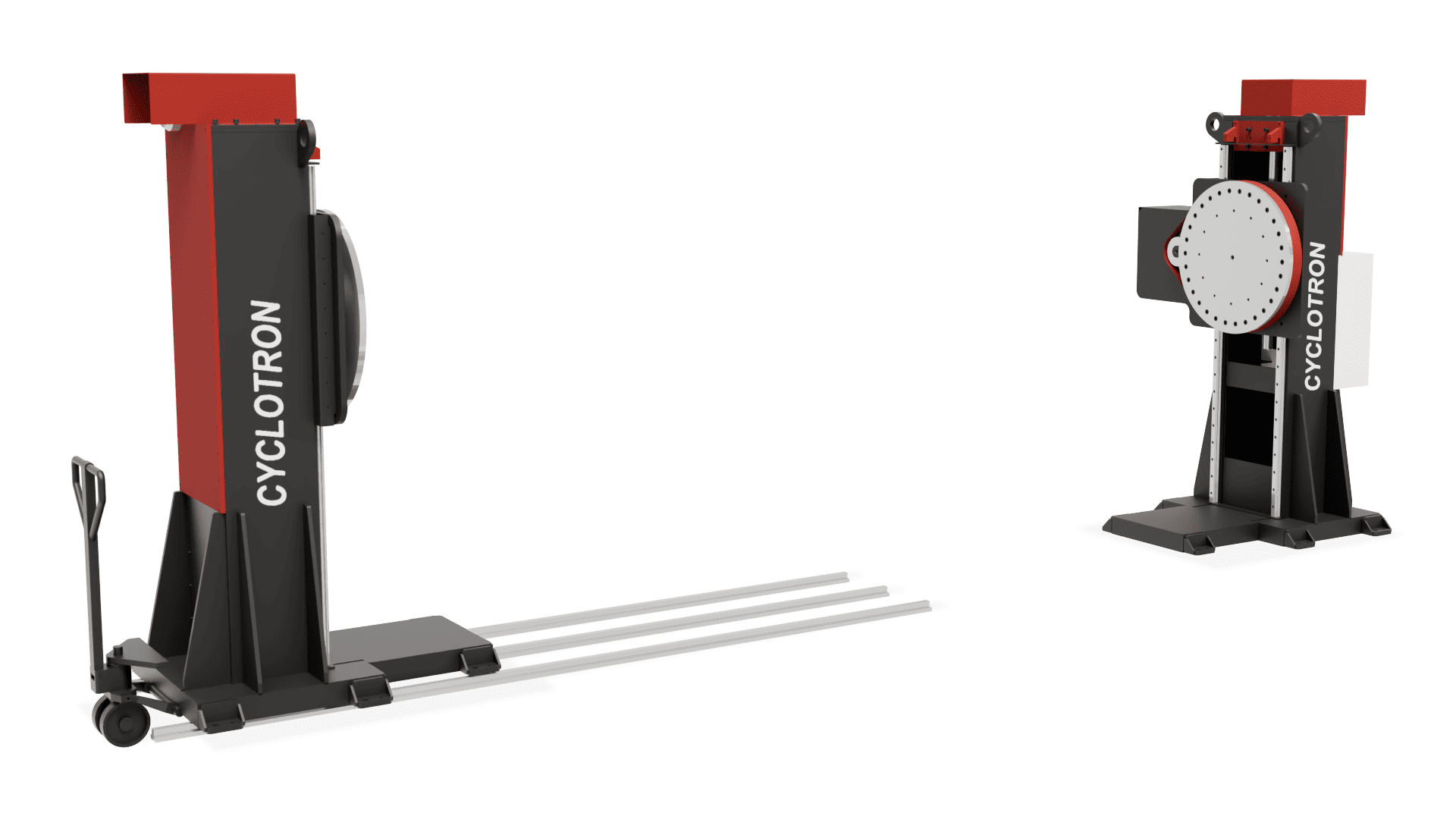
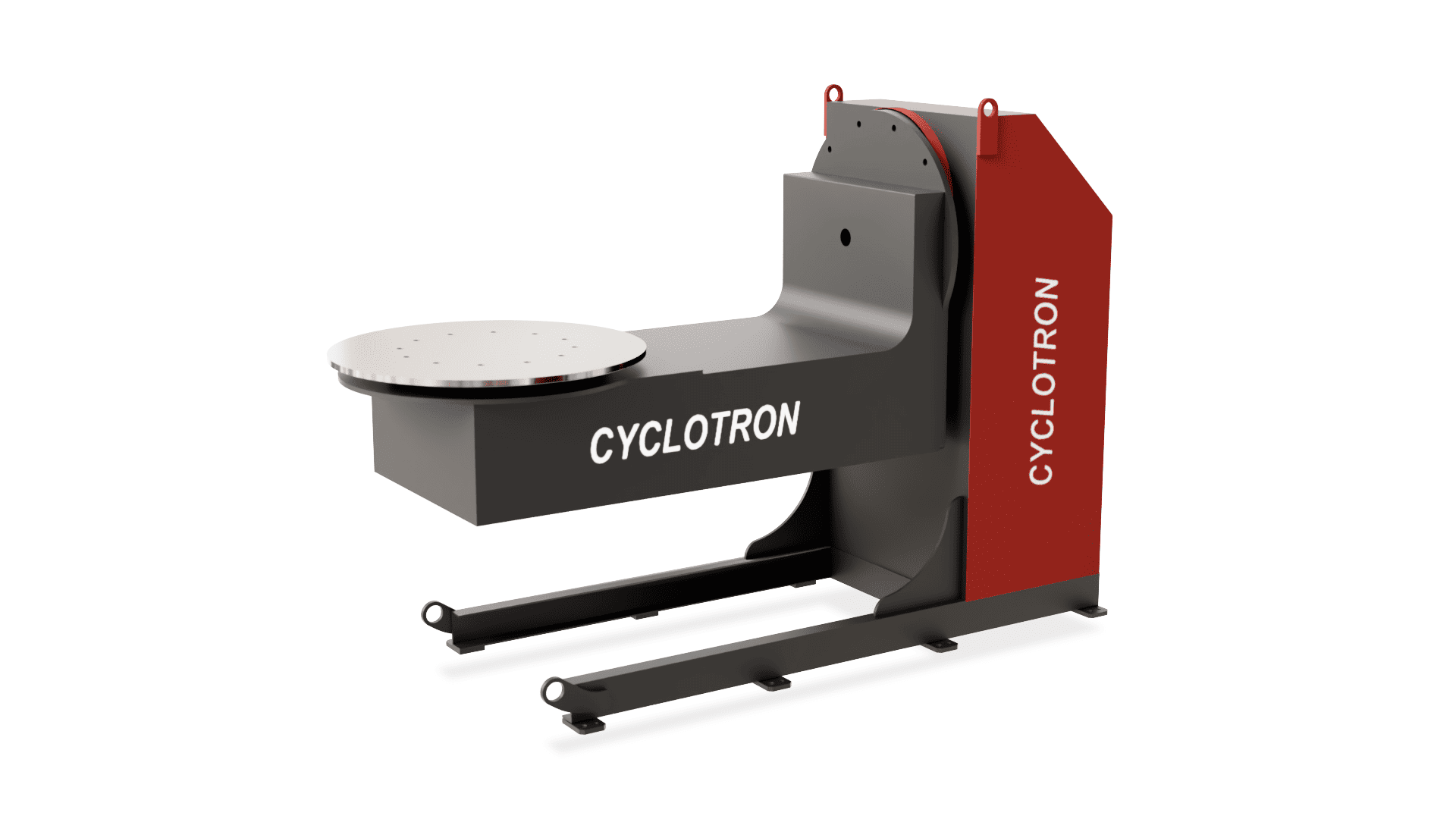
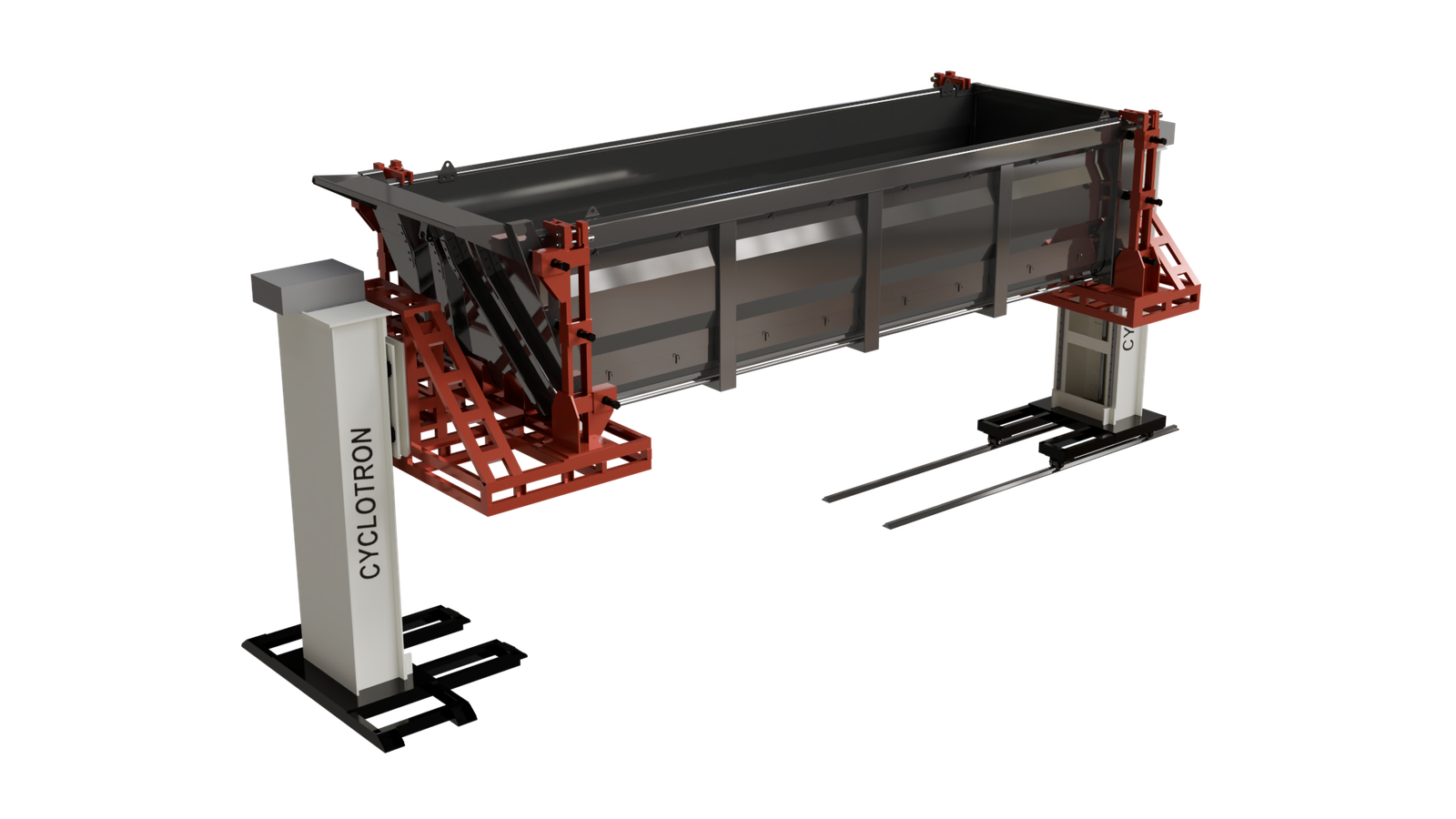
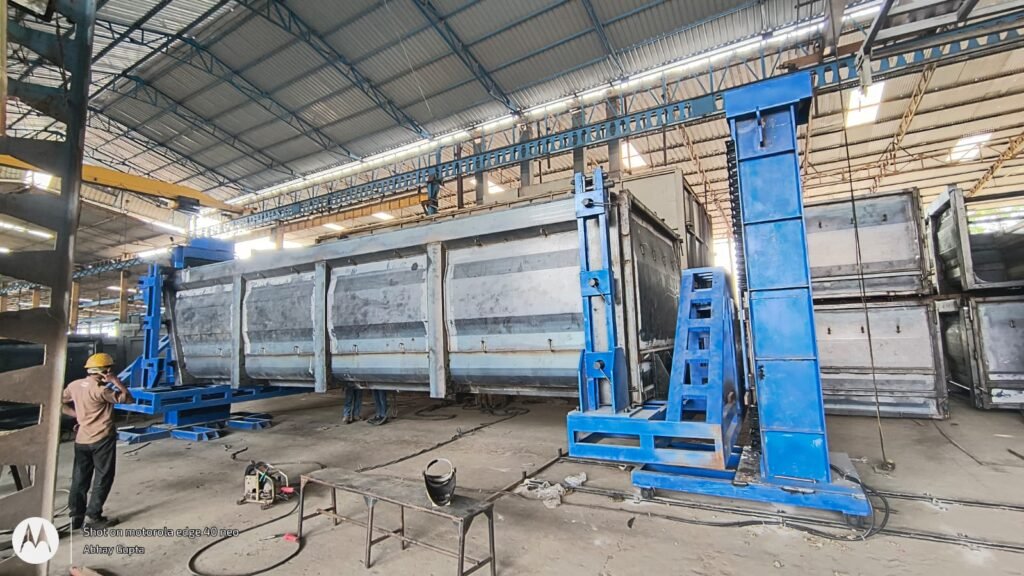
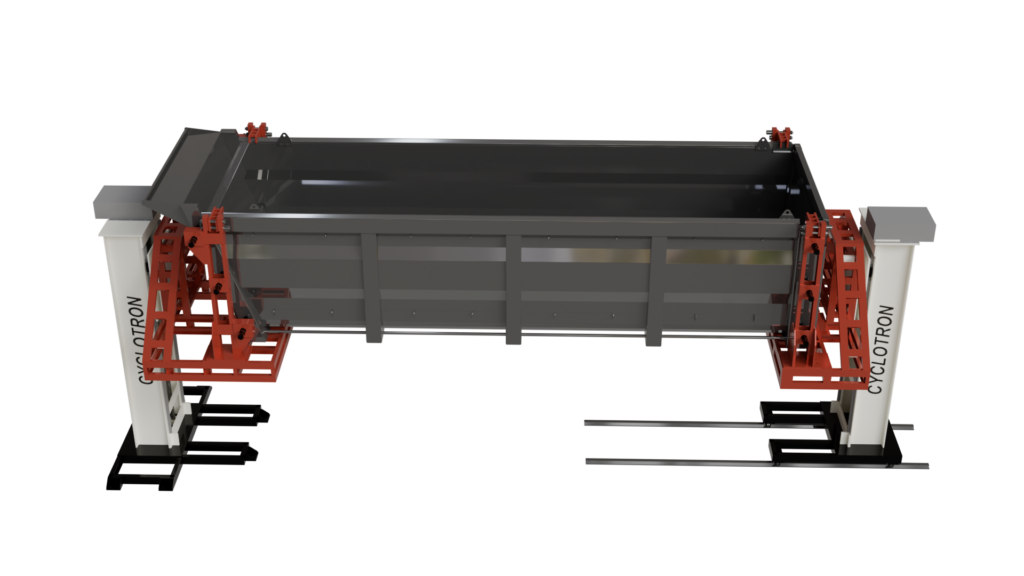
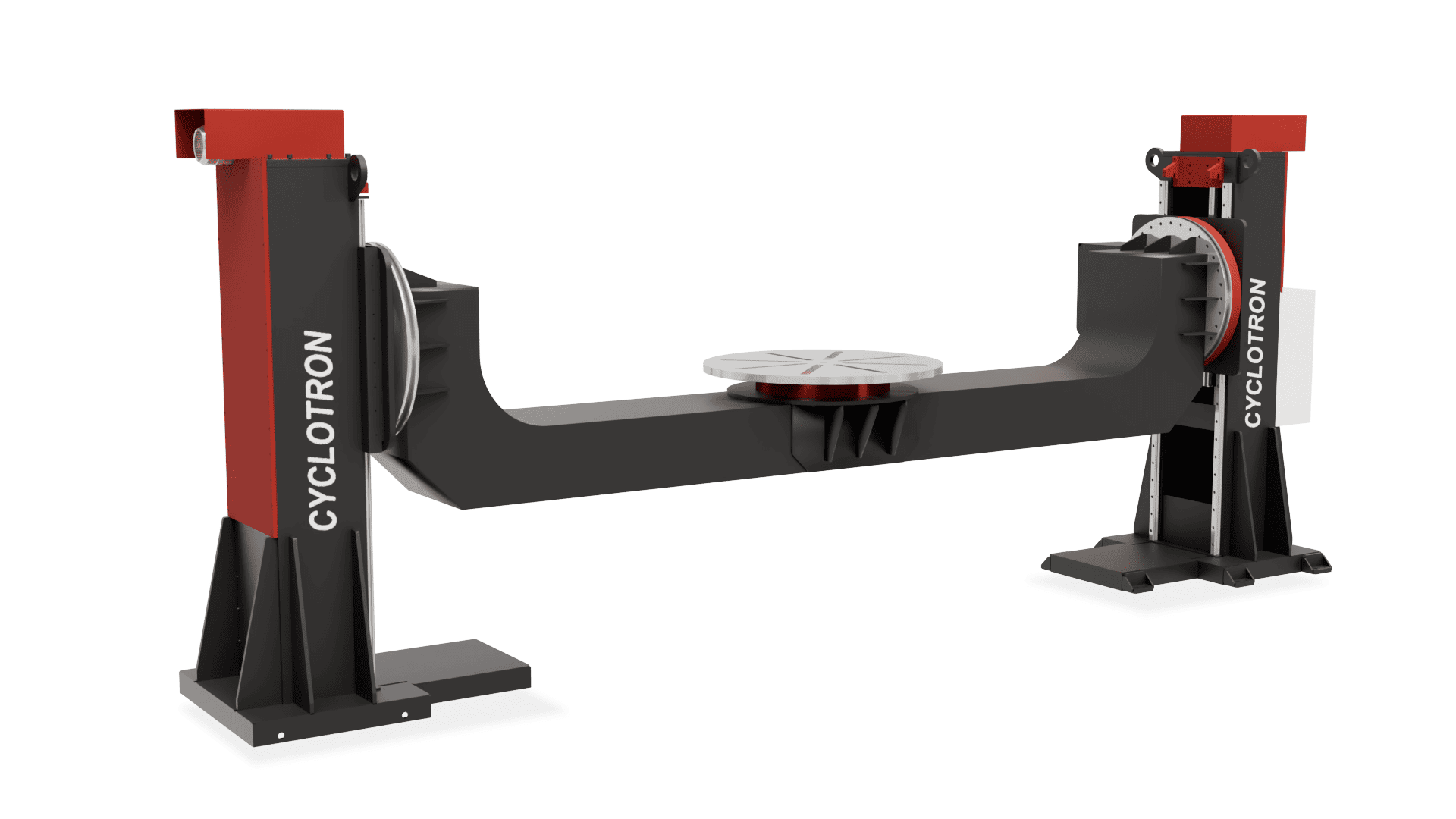
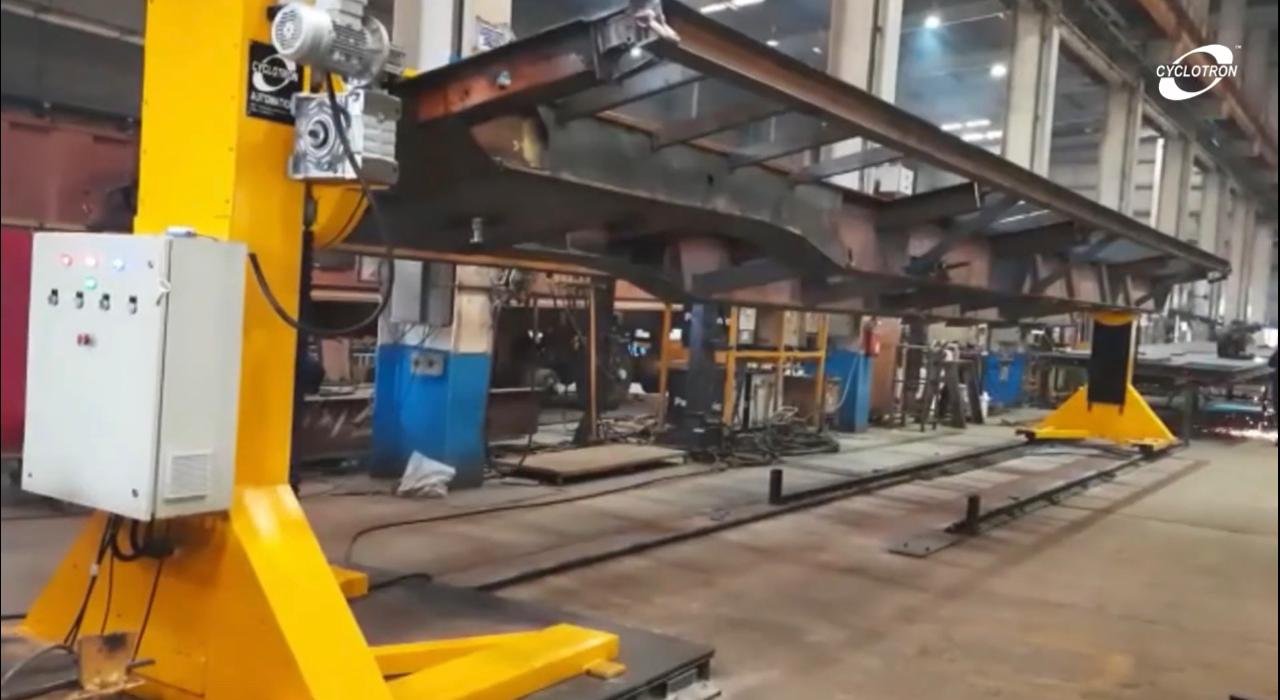
A 10 Ton Welding Positioner was supplied to rotate the complete dumper body throughout fabrication. The system eliminated crane-assisted handling between welding operations, improved access to weld joints, and helped increase production from 8-10 bodies per month to 18-20 bodies per month. All this while reducing the welding workforce from 10-12 welders to 7-8 welders.
The Challenge
Fabricating a truck dumper body involves welding long structural seams on both the inside and outside of a large fabricated structure. Because of its size and open geometry, the workpiece has to be repositioned several times before all welds can be completed.
Before installing the welding positioner, each dumper body required approximately six crane-assisted flips during fabrication. Every repositioning involved attaching slings, lifting the body with an overhead crane, rotating it, placing it back on supports, and checking alignment before welding could continue. Each cycle took approximately 30 minutes, resulting in nearly three hours of handling time per body.
The welding position also affected productivity. Several weld joints had to be completed in vertical or overhead positions, which generally require slower travel speeds, additional weld passes, and more post-weld grinding.
Access was another concern. Welders frequently climbed inside and onto the dumper body to reach different joints. Besides reducing productivity, this increased operator fatigue and introduced avoidable safety risks.
Cyclotron Welding Positioners from India
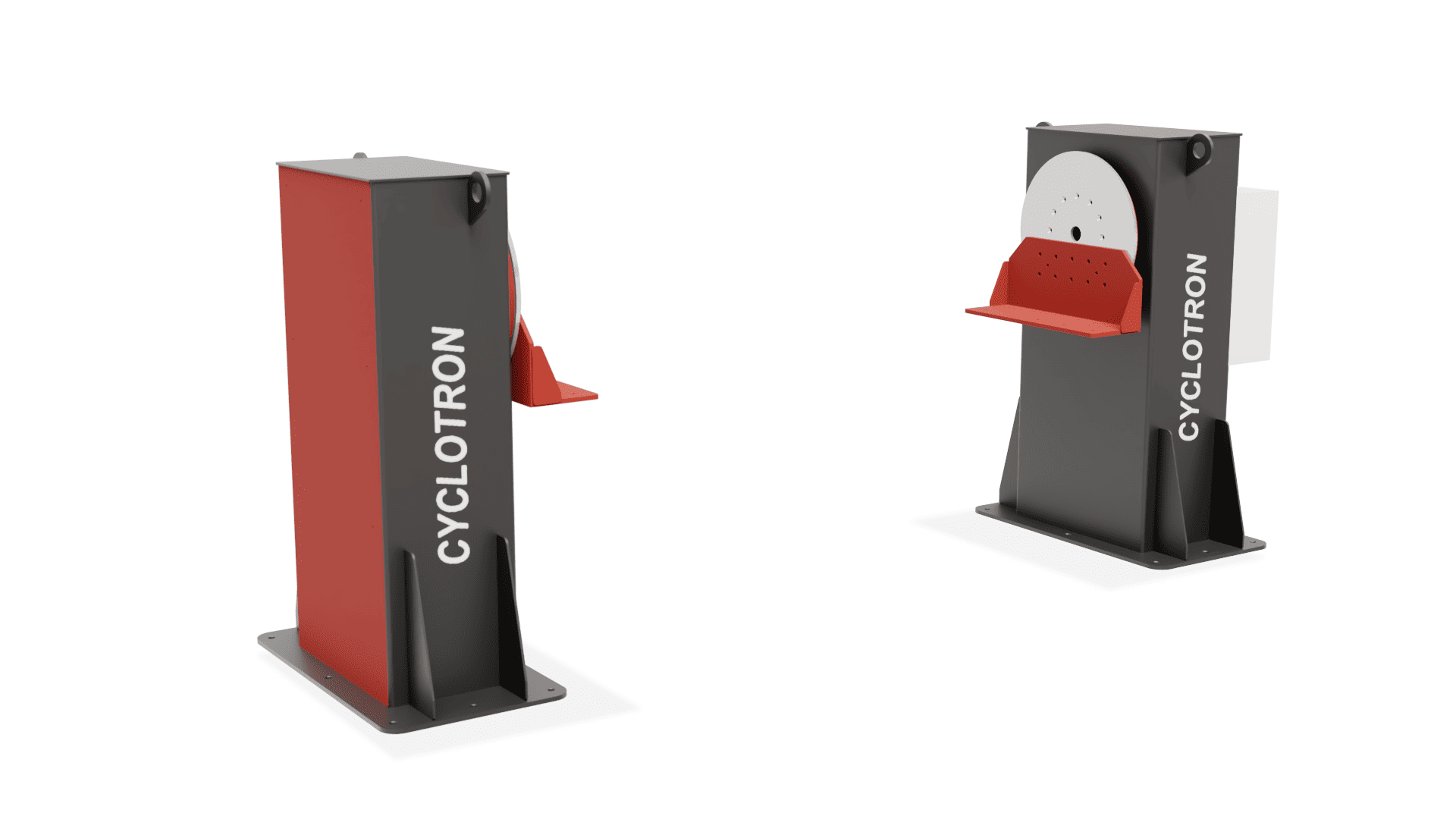
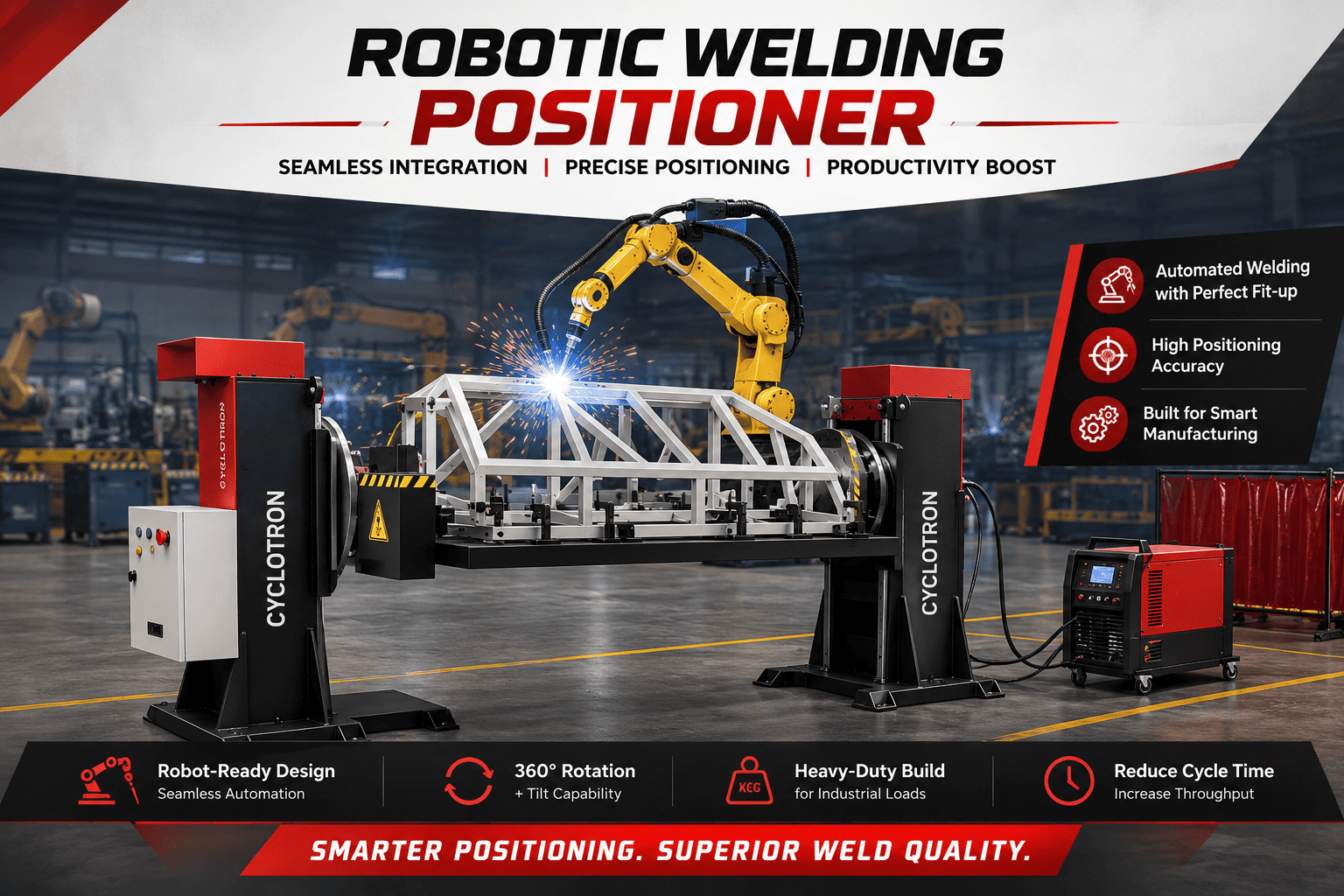
Cyclotron manufactures industrial welding positioners from 100 kg to 100 Tons capacity, designed for robotic/manual welding, heavy fabrication, and high-production welding environments.
- Cyclotron manufactures all types of Manual/Robotic welding positioners like 1 axis, 2 axis, 3 axis, Headstock-tailstock, L Type, skyhook, etc
Our Approach
The objective of the project was to reduce handling time by rotating the workpiece rather than repeatedly moving it with a crane.
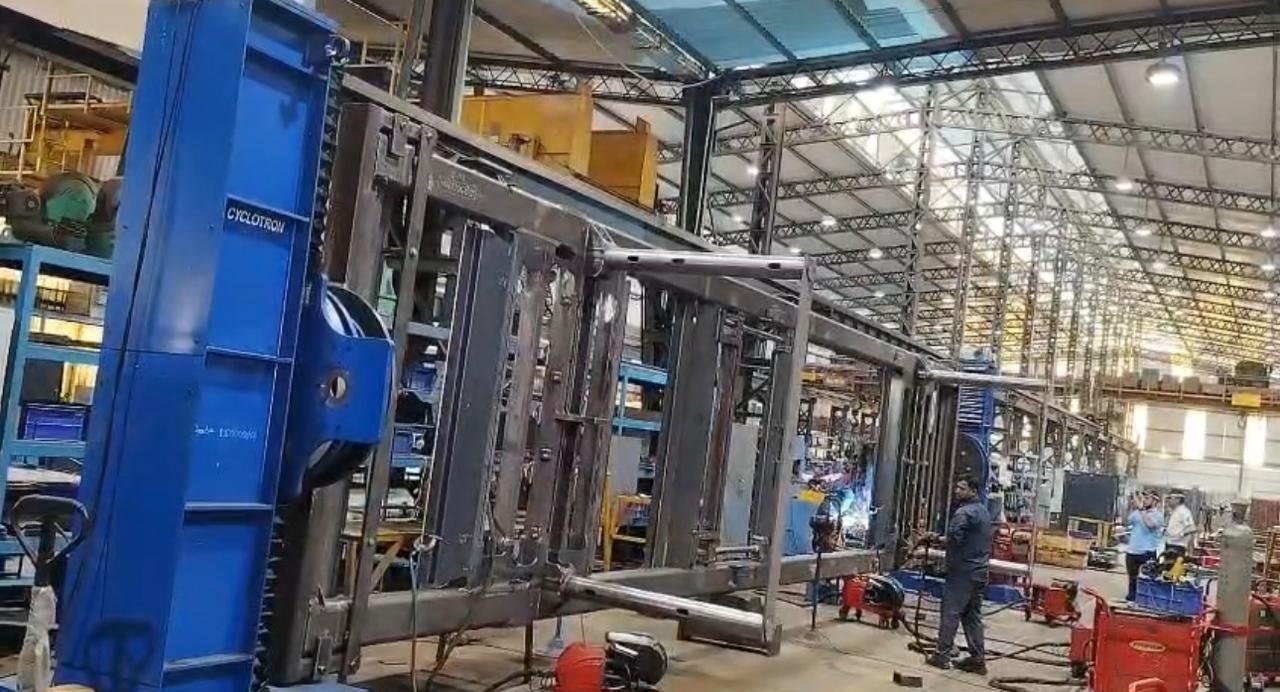
A 10 Ton Welding Positioner was designed to support the complete dumper body and rotate it throughout fabrication. Instead of lifting the workpiece multiple times, the body remained securely mounted on the positioner while it was rotated to present each weld joint in a more accessible position.
One of the important engineering considerations was the workpiece geometry. Although the dumper body weighed approximately 6 tonnes, its centre of gravity was located around 600 mm away from the axis of rotation. This eccentric loading generated higher overturning moments than a centrally mounted load and had to be considered during machine selection.
Once the workpiece was mounted, welding could continue without crane-assisted repositioning. The fabrication team no longer needed slings, repeated lifting operations, re-chocking, or alignment checks between welding stages.
Most weld joints could now be positioned closer to the flat welding position, allowing welders to work at a comfortable height while remaining on the shop floor. Compared to vertical and overhead welding, flat position welding generally improves productivity, reduces the number of weld passes, and lowers the amount of post-weld grinding.
One observation from this installation was that handling time represented a significant portion of the overall fabrication cycle. Welding hours were measured carefully, but the time spent waiting for crane availability and repositioning the workpiece often went unnoticed. Removing those handling operations had a measurable impact on production capacity.
Sizing It Right
Selecting a welding positioner for this application involved more than matching the machine capacity to the workpiece weight.
The dumper body weighed approximately 6 tonnes, but its 600 mm centre of gravity offset produced considerably higher turning moments during rotation. For this reason, the machine was selected based on both the load weight and the eccentricity of the workpiece.
This distinction is important in heavy fabrication. A positioner rated for the required weight may not safely handle the same load if the centre of gravity is significantly offset. Proper sizing requires evaluating weight, mounting arrangement, centre of gravity, and overturning moment together.
The Result
The figures below are projections based on typical handling-time reduction and standard welding practice. They are not measured values from this installation.
Activity | Before | After |
Crane-assisted repositioning | 6 flips per body | None |
Handling time | 6 × 30 minutes = approximately 3 hours | Eliminated |
Welding position | Several vertical and overhead welds | Mostly flat position |
Arc welding time | Baseline | Typically 20-30% lower |
A simple way to estimate the operational benefit is:
Bodies per month × Hours saved per body × Loaded labour cost per hour = Estimated monthly savings
Positioner investment ÷ Monthly savings = Estimated payback period
Apart from labour savings, the overhead crane is available for other fabrication activities instead of repeatedly repositioning the same workpiece. The rigging team spends less time handling the body, and welders spend more time welding instead of waiting for lifting operations to be completed.
Conclusion
This project demonstrates how reducing handling time can improve overall fabrication efficiency without changing the welding process itself. By replacing repeated crane-assisted repositioning with controlled rotation of the workpiece, the manufacturer was able to increase monthly production, reduce manual handling, enhance welding access, and provide a safer working environment for the fabrication team.
Are you working with heavy, off-centre fabricated structures? Share with us your workpiece weight, dimensions, and drawing with our engineering team to evaluate the right welding positioner configuration for your application.
Similar Case Studies

500 kg Robotic Welding Positioner for Tower Manufacturing in Kolkata
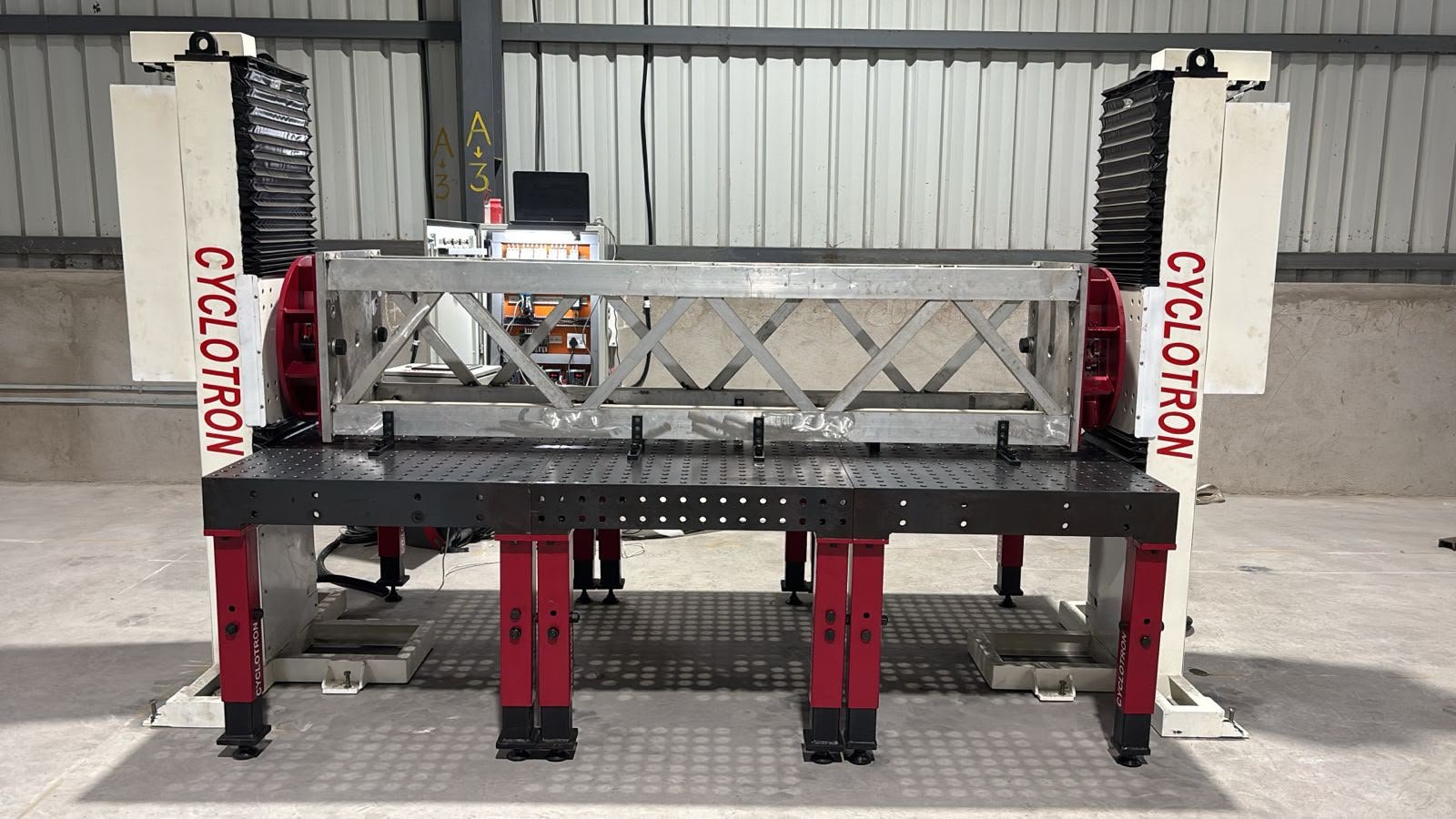
A telecom tower manufacturer in Kolkata approached Cyclotron positioners to improve the production of aluminium telecom towers. Their existing manual welding process was slow, labour-intensive, and prone to distortion, resulting in high rejection rates.
30 Ton Welding Positioner for Railway Bogie Frame in Haryana
A leading railway bogie manufacturer in Haryana was looking to increase production capacity while maintaining the welding quality required for RDSO-certified railway bogie frames. Fabricating these heavy, asymmetric structures required multiple crane-assisted lifts to reposition the workpiece, adding handling time and creating safety concerns on the shop floor.
6 Ton Welding Positioner for Truck Trailer in Pune
A leading flatbed trailer manufacturer in Pune partnered with Cyclotron to improve productivity and maintain dimensional accuracy during the fabrication of 12-metre trailer chassis. Although the chassis weighed approximately 5.5-6 tons, the primary challenge was not lifting the workpiece but welding a long, flexible structure