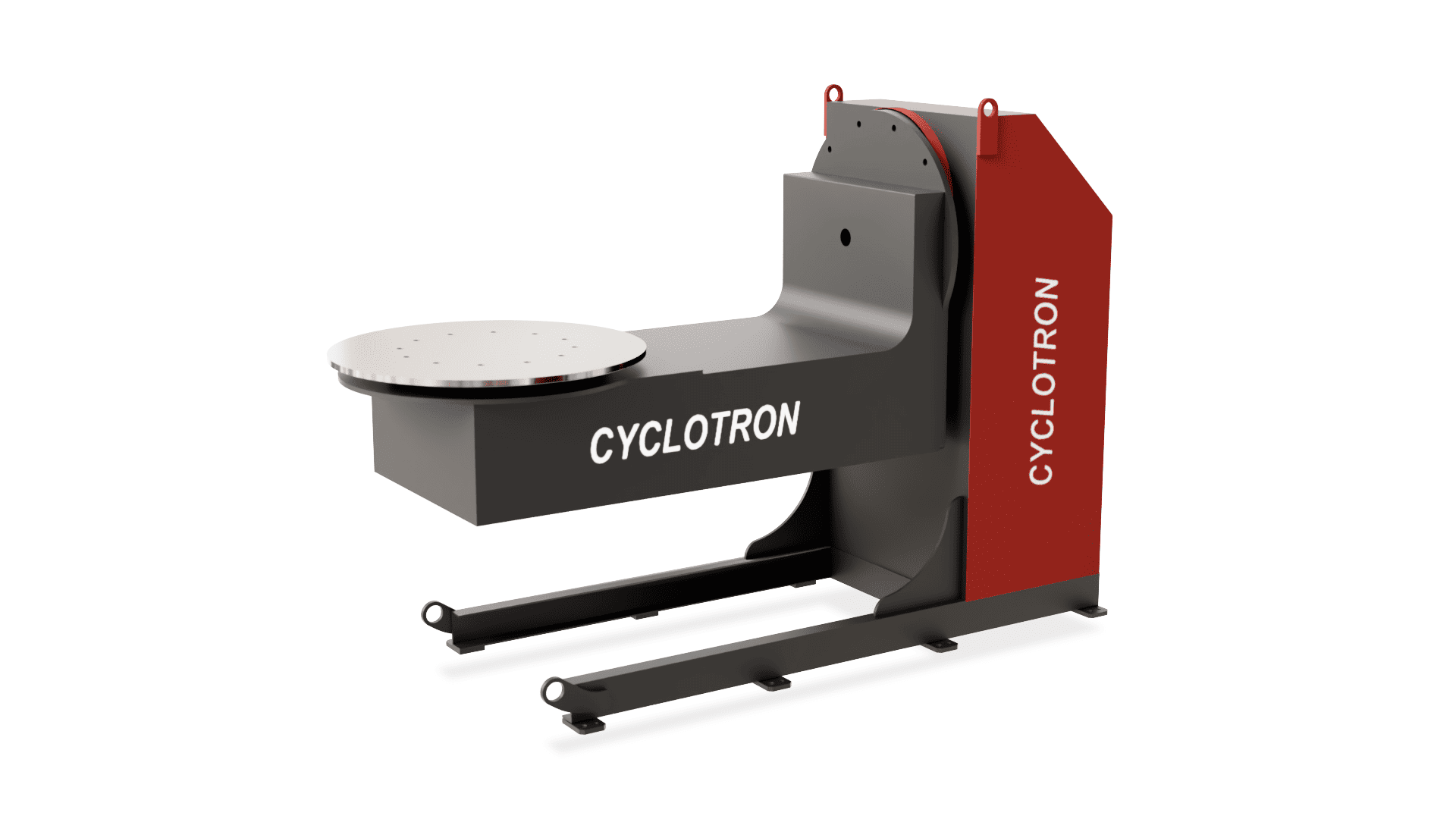
5 Common Welding Problems that a Positioner Can Solve
A Complete Guide
Manual welding is a key skill in many industries, but even skilled welders encounter common problems such as awkward joint angles, uneven weld beads, fatigue, and reduced quality. Keeping the right welding position is not only about comfort. It is important for making strong, clean welds and keeping the operator safe. Still, when work gets busy, poor positioning can cause mistakes, extra work, and injuries, which hurt both productivity and morale.
A welding positioner is a tool that changes the way welders work. It holds and rotates workpieces easily, giving welders better access and control. You do not need a large shop to use one. Even small workshops can quickly improve quality, efficiency, and output with the right positioner.
This blog post briefly discusses the 5 common manual welding problems that a positioner can solve immediately.
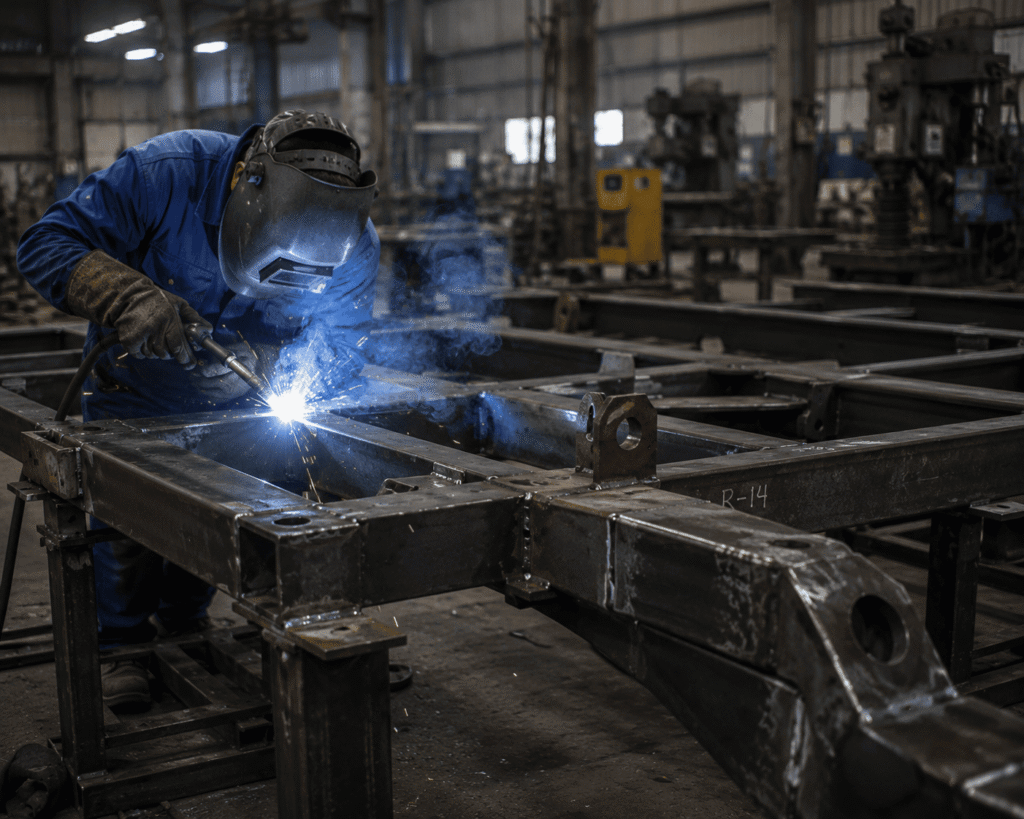
1. Poor Weld Quality Due to Difficult Welding Positions
The Challenge:
- Awkward angles force welders to twist their bodies to reach hidden joints, leading to poor control over torch angle and travel speed, and making it difficult to improve weld quality.
- Welding vertically or overhead makes the operator fight gravity, making it harder to control the weld puddle.
- Out-of-position welding increases the risk of defects such as poor weld beads, undercuts, and trapped gas pockets, which can lead to porosity.
How a Positioner Solves It:
- A welding positioner rotates the part, allowing the welder to always work in a comfortable, flat position (1G or 1F).
- Keeping the weld pool level with a positioner means gravity helps smooth out the bead rather than ruin it.
- Using a positioner enables deeper penetration, stronger joints, and a much cleaner cosmetic finish on every pass.
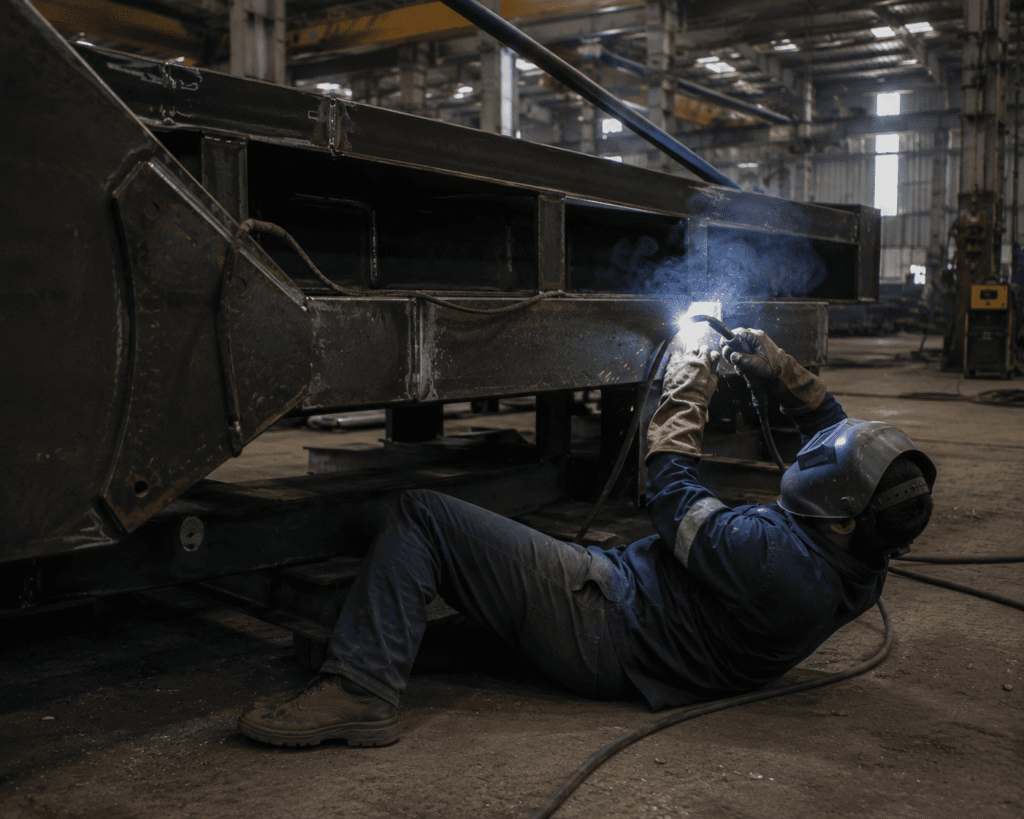
2. Excessive Welder Fatigue and Reduced Productivity
The Challenge:
- Welding tasks often involve constant bending, stretching, and repositioning, which can lead to significant fatigue among welders.
- Increased welder fatigue results in slower production rates, more frequent mistakes, and higher chances of injury.
- Maintaining high levels of welding productivity during long shifts becomes challenging without ergonomic welding solutions.
How a Positioner Solves It:
- A welding positioner brings the workpiece to the welder, improving access and reducing unnecessary movement.
- This ergonomic welding solution enables welders to work in comfortable, safe positions, minimizing physical strain.
- By reducing welder fatigue, positioners improve measurable welding productivity and deliver more consistent output.
- Investing in ergonomic welding solutions, such as positioners, leads to a safer work environment and sustained productivity gains.
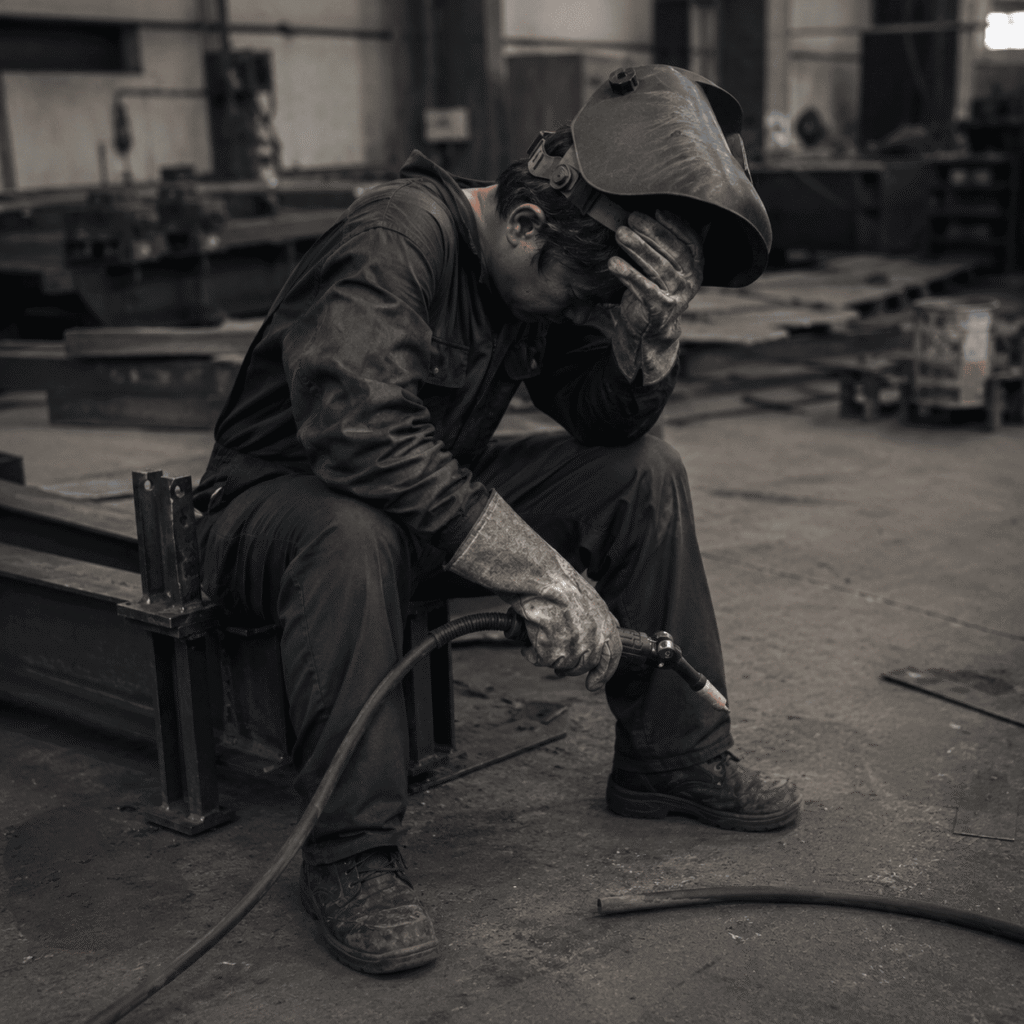
3. Longer Welding Cycle Times
The Challenge:
- Operators spend significant time moving and repositioning parts instead of welding.
- Frequent stops to rig overhead cranes, locate forklift drivers, or get help flipping heavy workpieces.
- Welders often wait between passes, stalling projects and reducing efficiency.
How a Positioner Solves It:
- Welders can quickly and safely rotate or flip components using a foot pedal or hand control, eliminating the need for extra help or heavy equipment.
- The workpiece stays in the optimal position, allowing continuous welding and minimal downtime.
- Part-handling time is reduced dramatically, speeding up production of pipe assemblies, heavy flanges, pressure vessels, and structural frames.
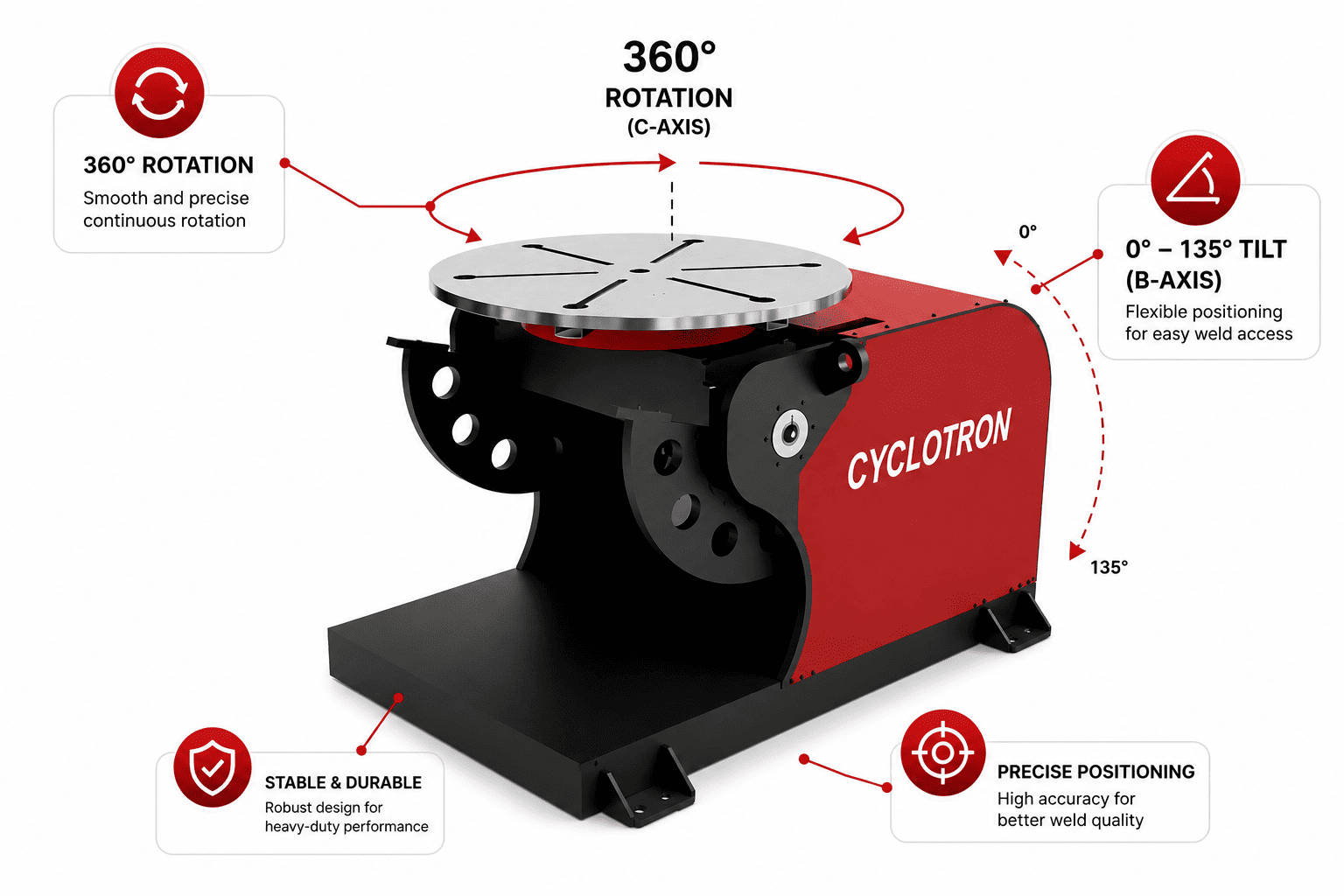
Cyclotron Welding Positioners from India
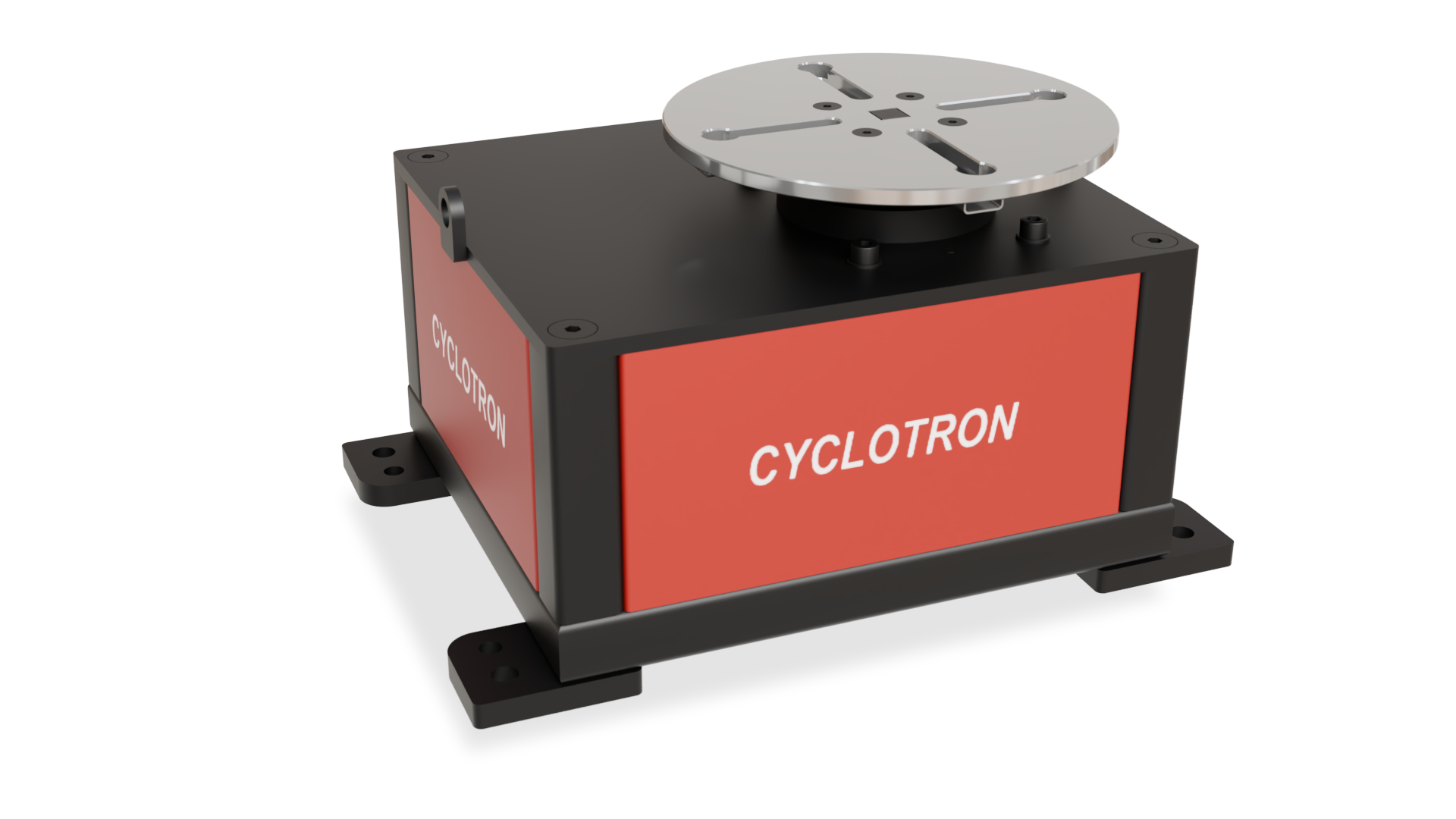
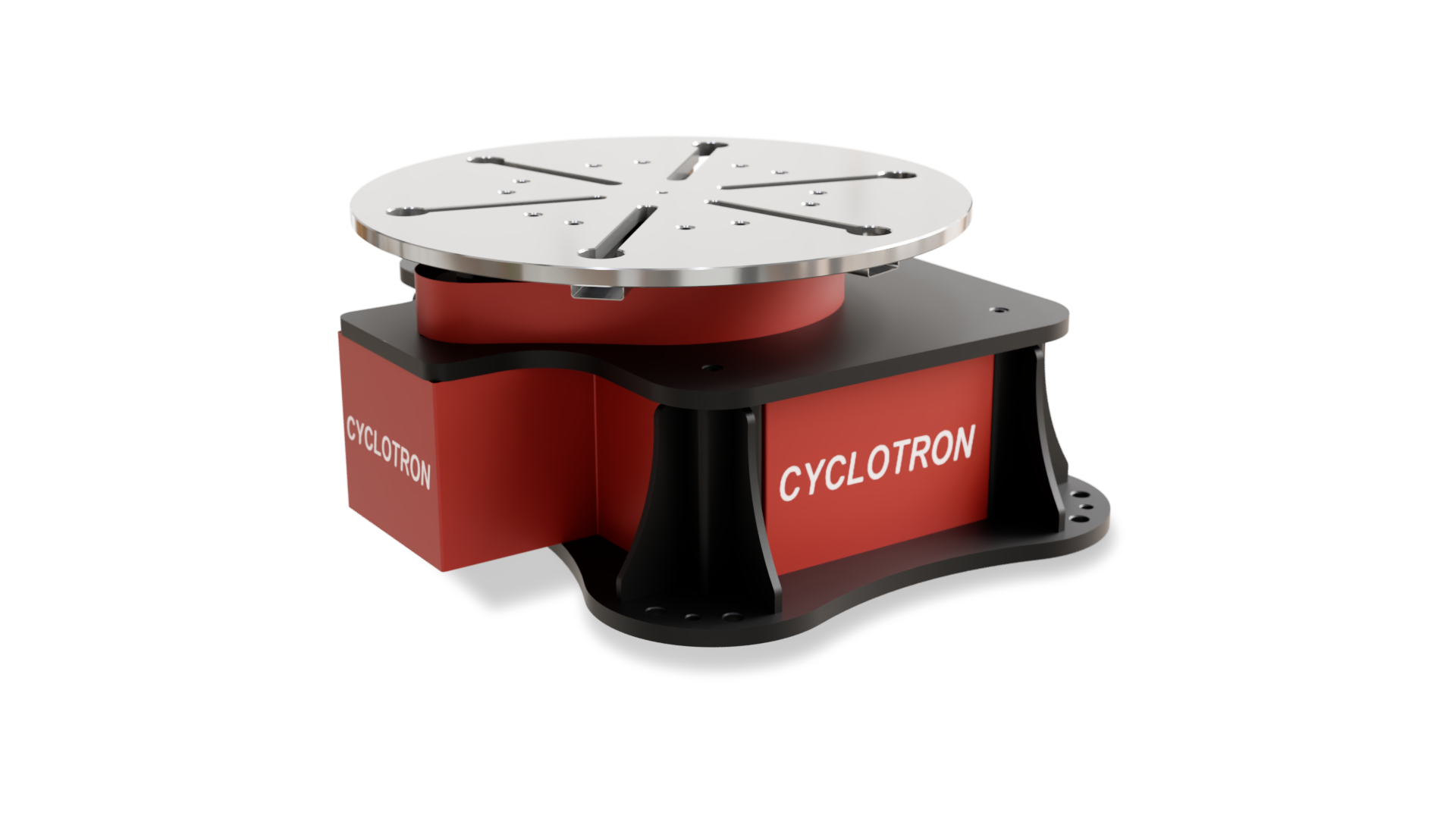
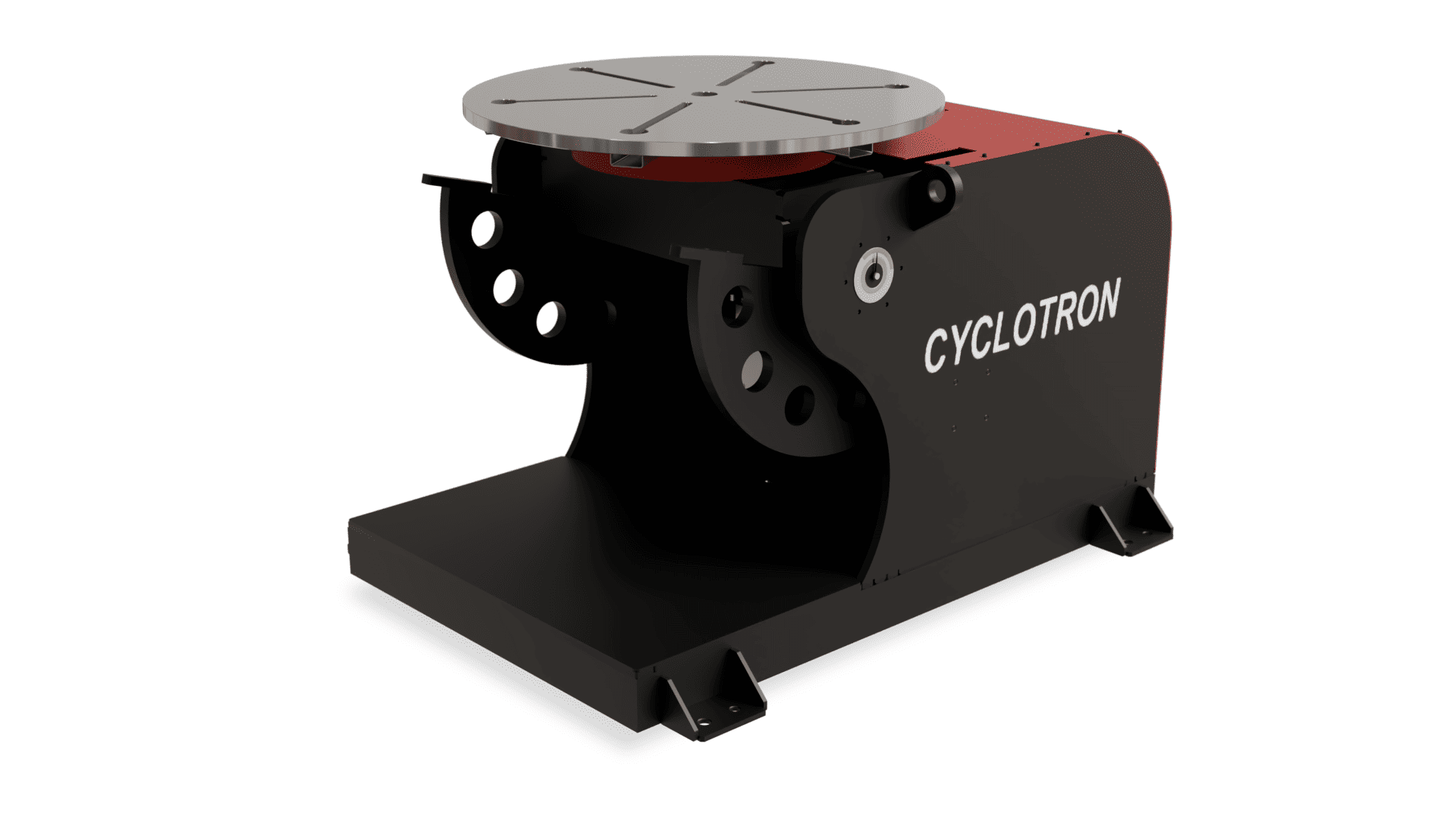
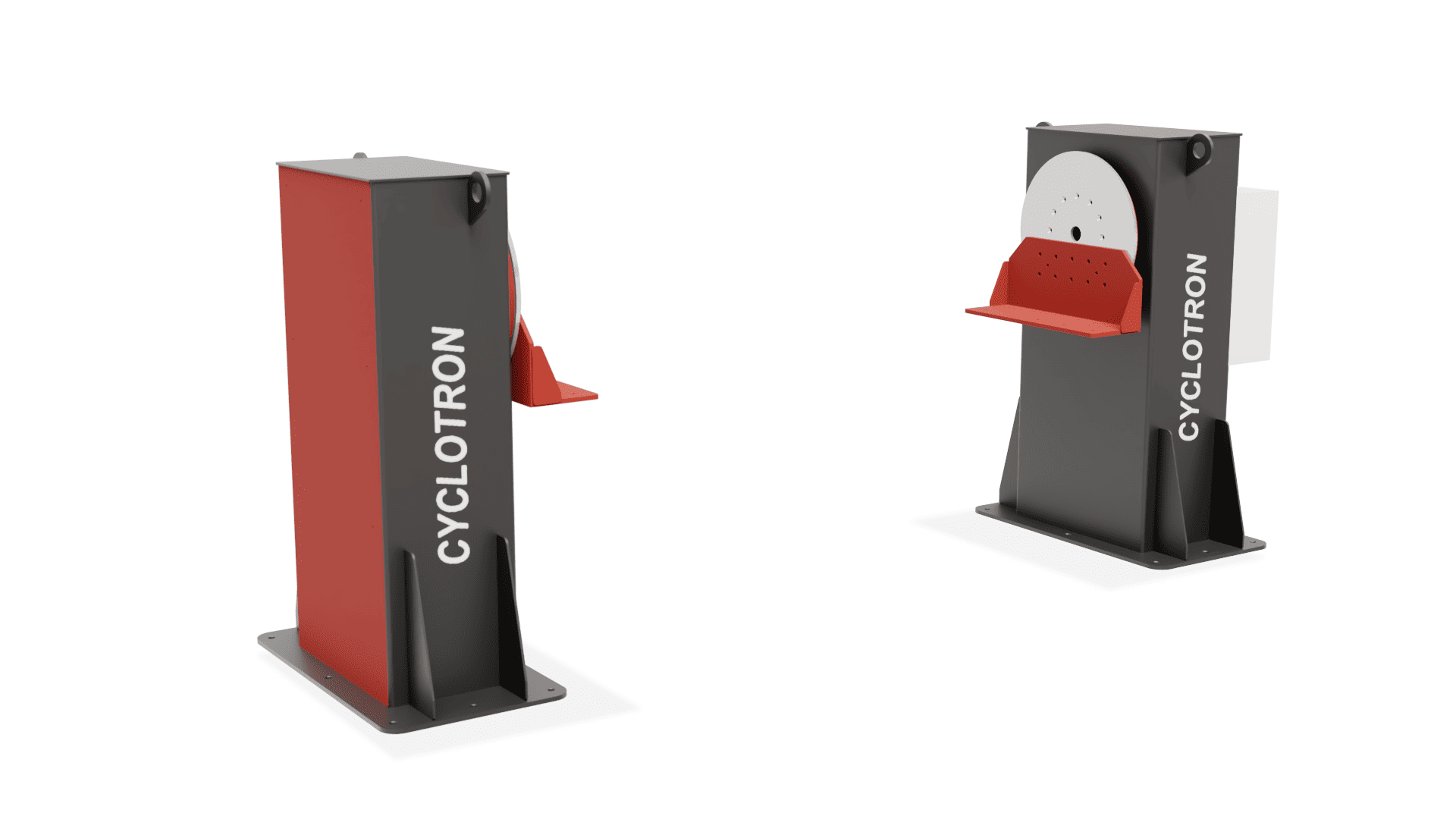
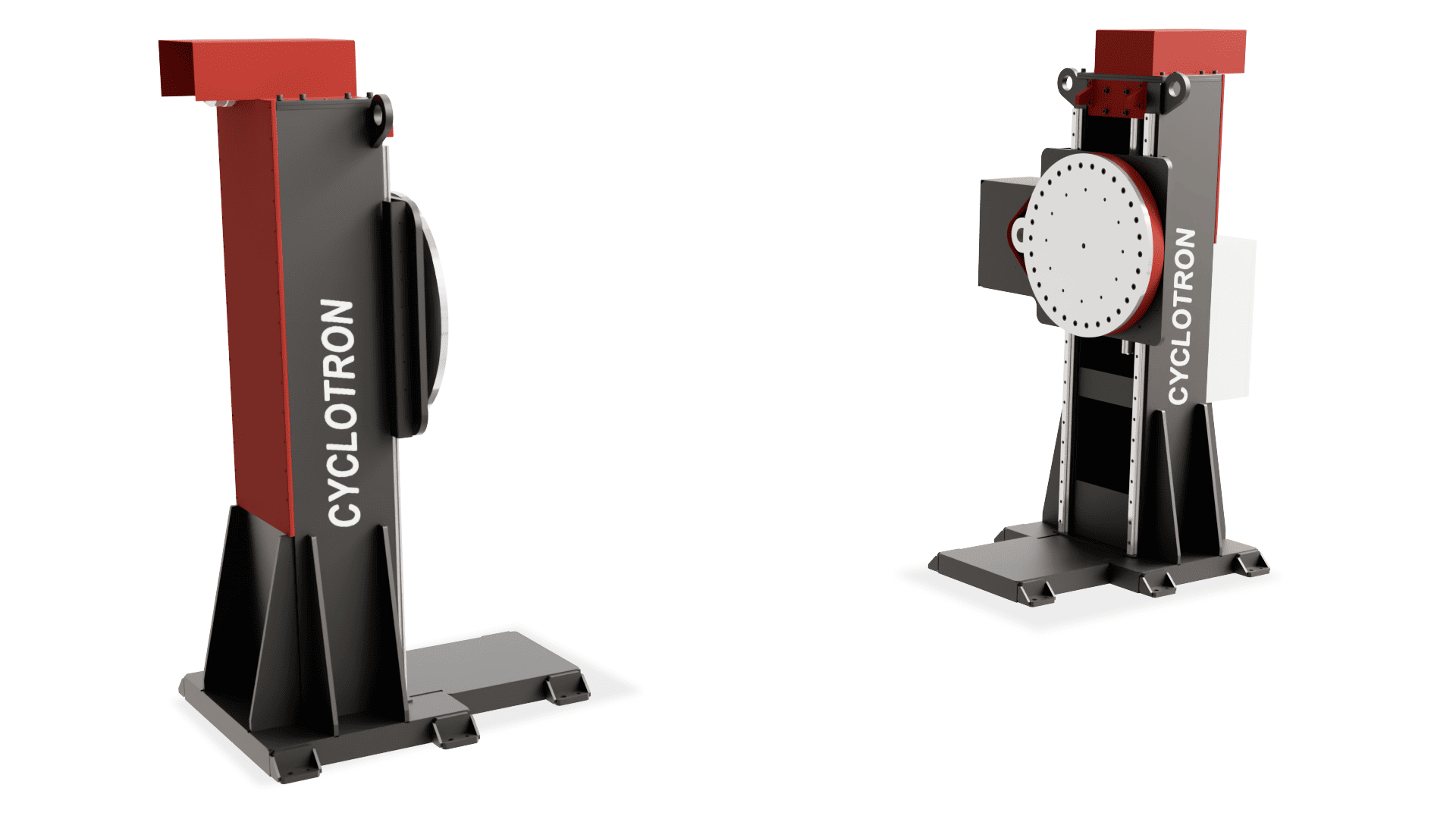
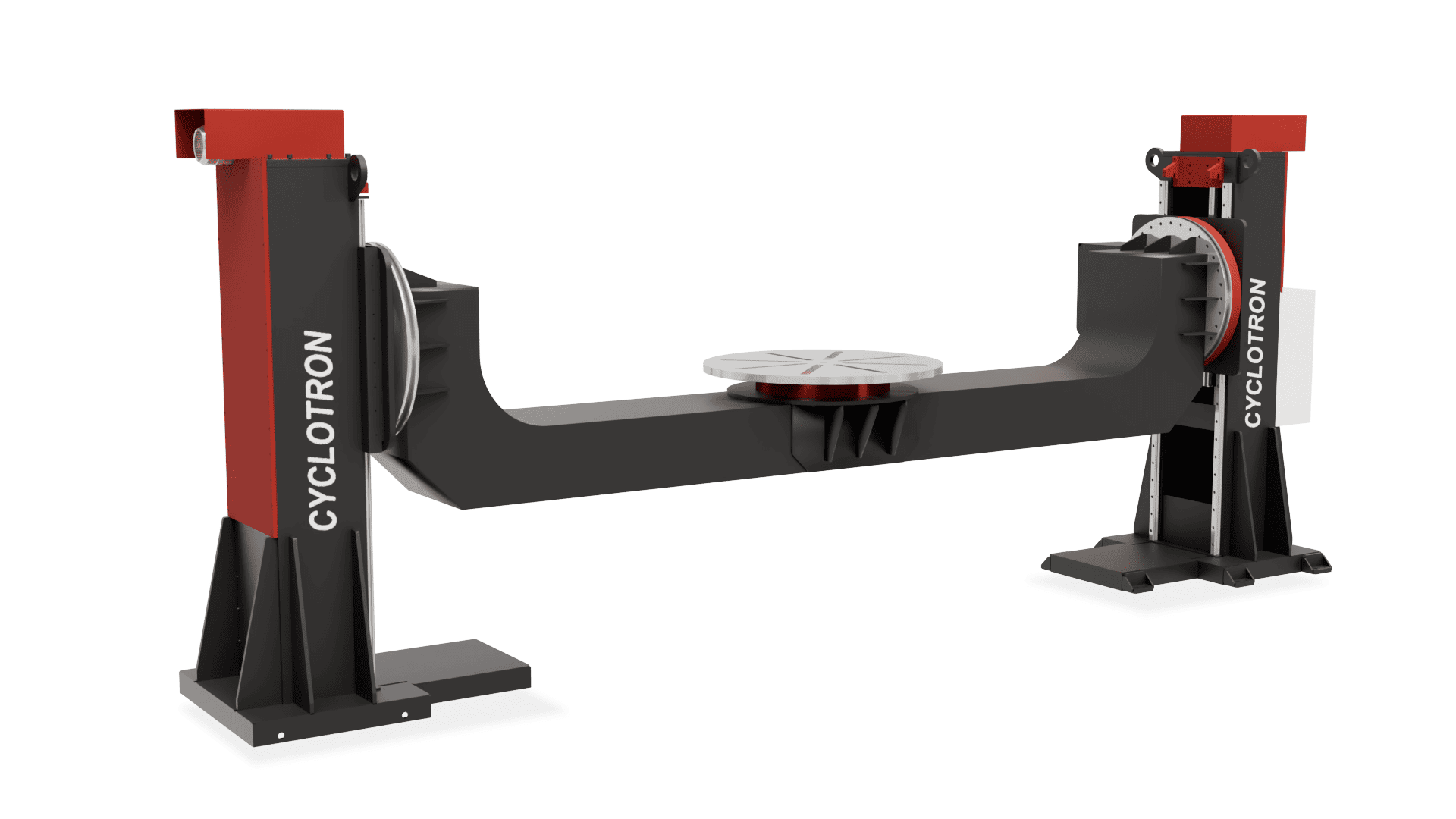
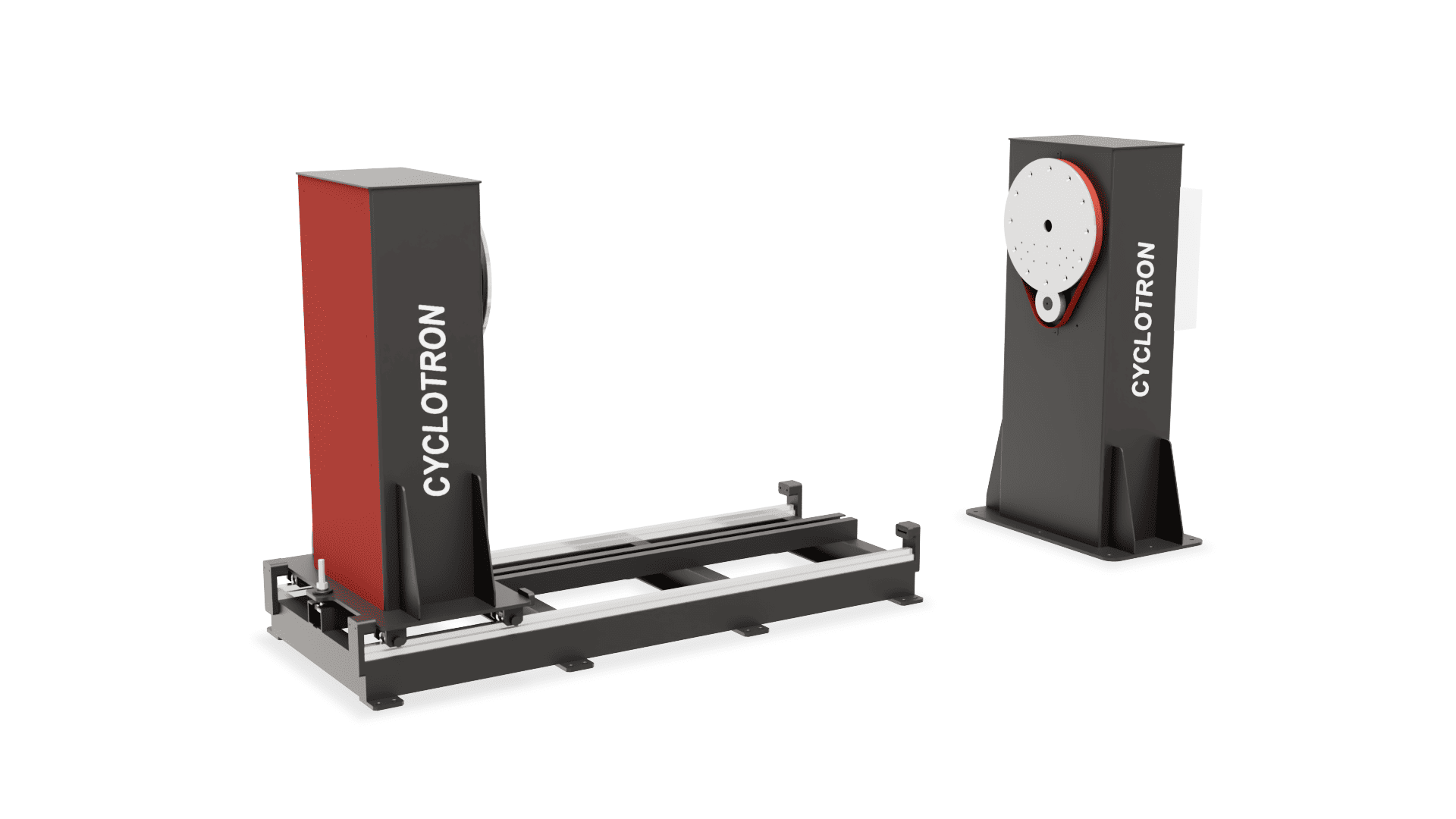
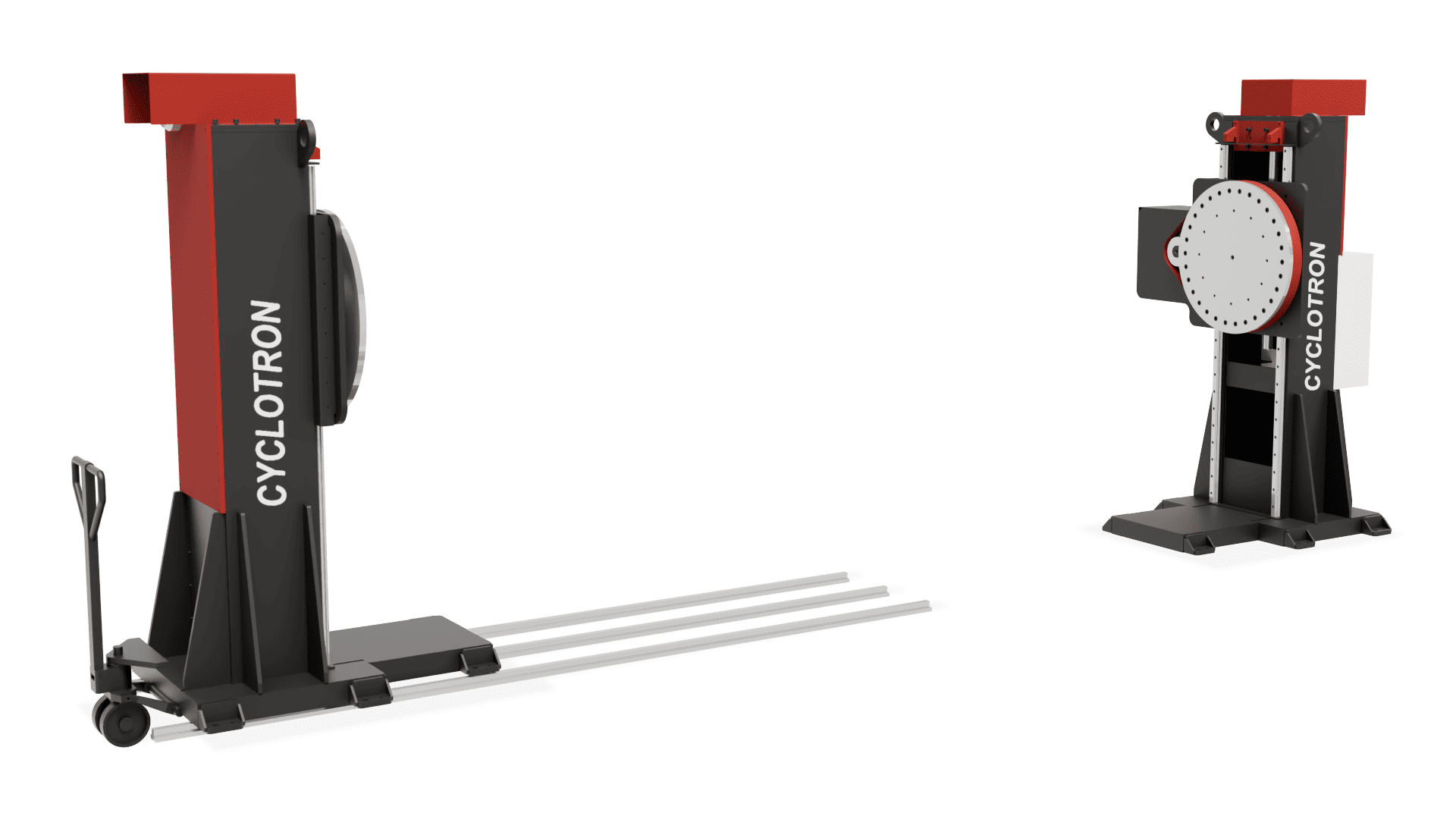
Cyclotron manufactures industrial welding positioners from 100 kg to 100 Tons capacity, designed for robotic/manual welding, heavy fabrication, and high-production welding environments.
- Cyclotron manufactures all types of Manual/Robotic welding positioners like 1 axis, 2 axis, 3 axis, Headstock-tailstock, L Type, skyhook, etc
4. Safety Risks While Handling Heavy Components
The Challenge:
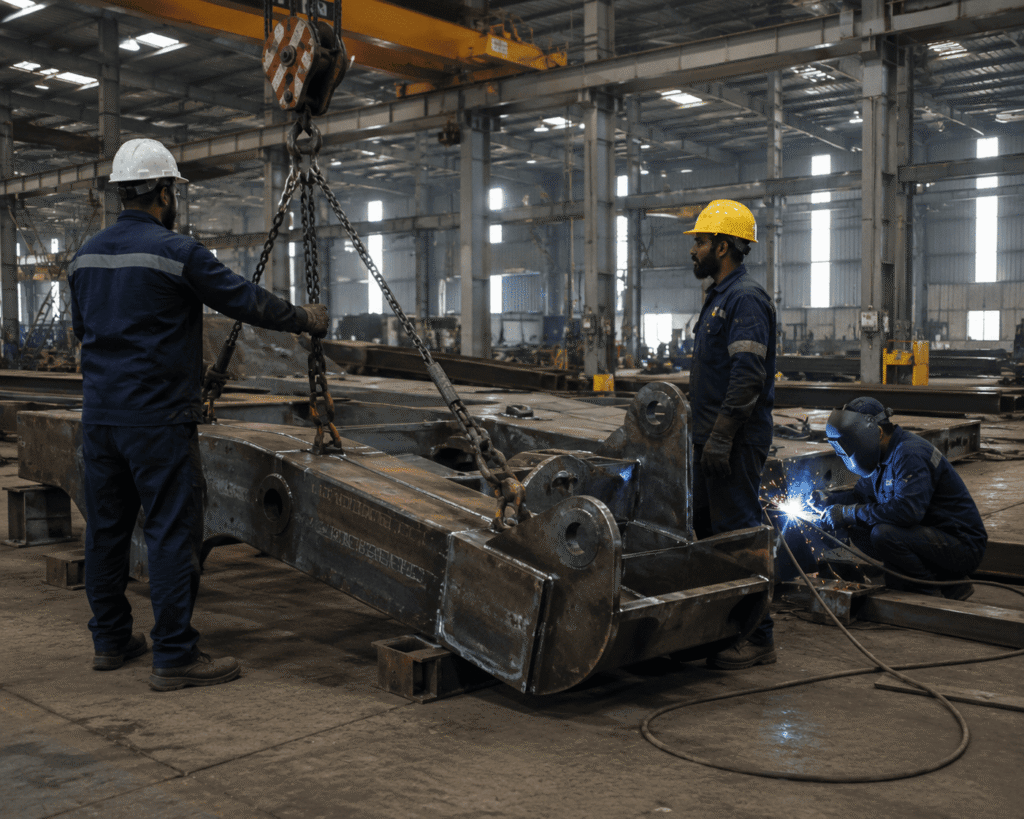
- Rigging heavy, multi-ton metal assemblies with chains and cranes presents significant hazards on the shop floor.
- Chains or rigging points can fail, causing heavy parts to drop and risk crushing machinery or injuring workers.
- Forcing operators to physically move heavy steel leads to repetitive back injuries and muscle strains.
How a Positioner Solves It:
- Using a positioner allows the workpiece to be securely clamped or bolted down, reducing the risk of movement.
- Self-locking gears and brakes in the positioner ensure safe, controlled rotation without slipping.
- Minimizing crane use keeps welding bays safer and floors clear, supporting safe welding practices.
- Investing in welding safety equipment, such as positioners, is essential for safe heavy fabrication.
5. Inconsistent Production Results and Rework
The Challenge:
Manual welding quality varies widely with operator skill, leading to inconsistent results between batches
Inconsistent quality leads to parts not matching and increased rejection rates.
Rejected parts require grinding and re-welding, resulting in delays and increased production costs.
How a Positioner Solves It:
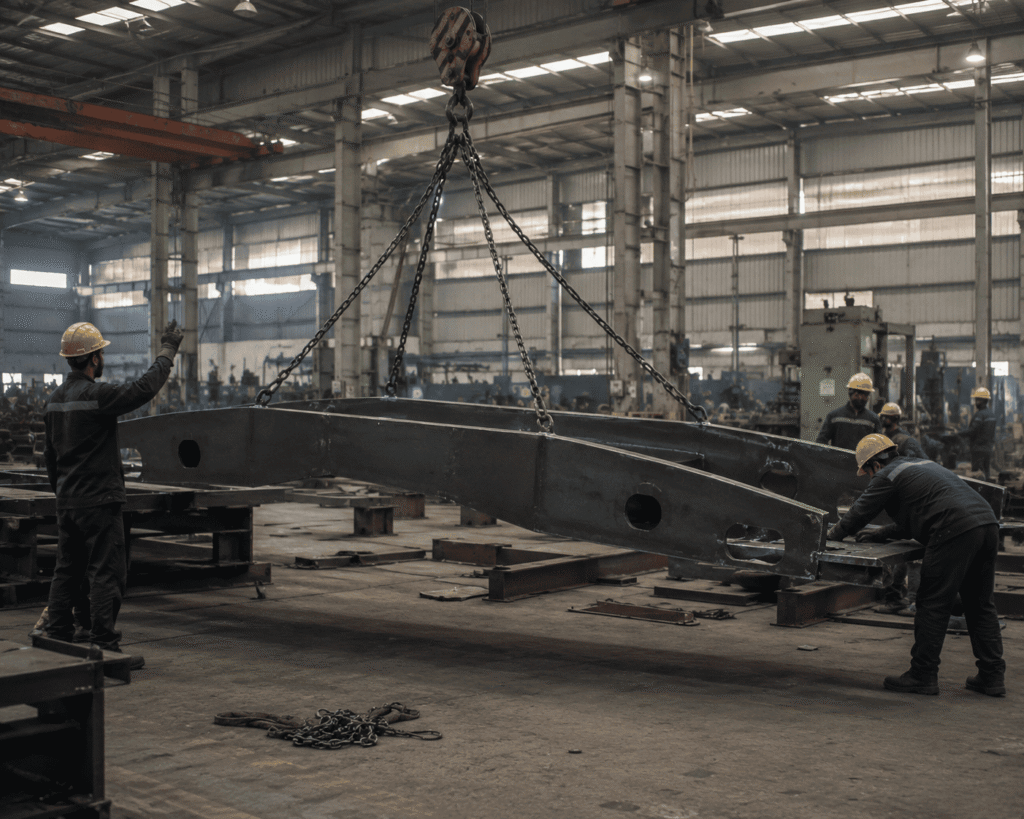
Positioners create a standardized, repeatable setup by placing weld joints on a flat, accessible plane.
Eliminates the difficulty of awkward angles, allowing less experienced welders to achieve the same quality as seasoned professionals.
Consistent setups reduce scrap rates, minimize rework, and help projects stay on schedule
Industries That Benefit Most from Welding Positioners
Welding positioners are essential for industries requiring precision and efficiency. They help manufacturers achieve high-quality welds, improve safety, and boost productivity across components.
1.Pressure Vessel Manufacturing: Welding positioners are vital in pressure vessel manufacturing, providing precise and consistent welds on cylindrical components. They enhance safety, minimize manual handling, and support continuous, high-quality welding.
2.Pipe & Piping Fabrication: In pipe and piping fabrication, welding positioners provide accurate rotation and positioning, which is essential for strong, leak-proof joints. They streamline the process and maintain consistent weld quality across different pipe sizes.
3. Structural Steel Fabrication: In structural steel fabrication, positioners make it easier to manipulate large beams and components, allowing welders to safely access difficult angles. This leads to faster production times and improved weld integrity.
4. Heavy Equipment Manufacturing: Welding positioners are essential for assembling and welding large, heavy parts in heavy equipment manufacturing. They enable efficient handling, improve ergonomics, and enhance weld accuracy.
5. Wind Tower Components: The fabrication of wind tower components involves welding large, heavy, and often awkwardly-shaped sections. Positioners provide the necessary support and movement to ensure high-quality, uniform welds throughout the structure.
6. Agricultural Equipment: Manufacturing agricultural equipment involves the welding large frames and assemblies. Positioners hold and rotate these parts securely, increasing efficiency and ensuring strong reliable welds.
7. Shipbuilding: Shipbuilding involves welding large, complex structures. Welding positioners improve productivity by enabling easier movement and precise alignment of heavy components, resulting in better weld quality and faster assembly.
8. Defence Fabrication: In the defense fabrication industry, positioners ensure precision and consistency in welding critical components for military vehicles and equipment. This results in improved safety, reliability, and performance of the final products.
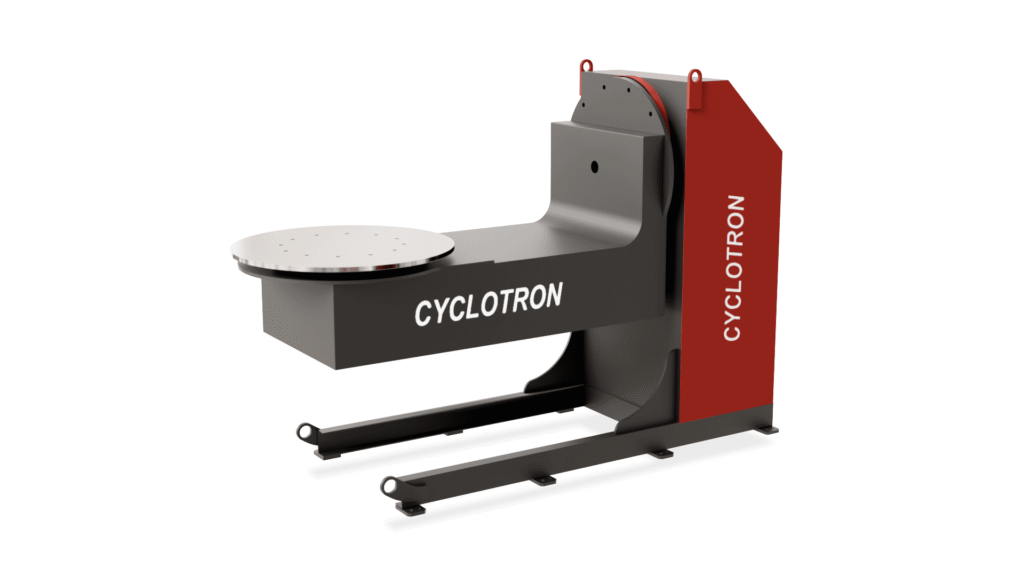
Cyclotron Welding Positioners from India
Cyclotron manufactures industrial welding positioners from 100 kg to 100 Tons capacity, designed for robotic/manual welding, heavy fabrication, and high-production welding environments.
- Cyclotron manufactures all types of Manual/Robotic welding positioners like 1 axis, 2 axis, 3 axis, Headstock-tailstock, L Type, skyhook, etc
Conclusion
Welding by hand can be tough; constant quality checks, operator fatigue, and safety concerns can all slow you down and eat into your profits. But there’s a smarter way forward. Cyclotron welding positioners take the strain off your team, keep every weld consistent, and help you meet production goals with confidence.
Don’t let old challenges hold your shop back. Discover how Cyclotron can help you work safer, faster, and more profitably at Cyclotron Welding Positioners
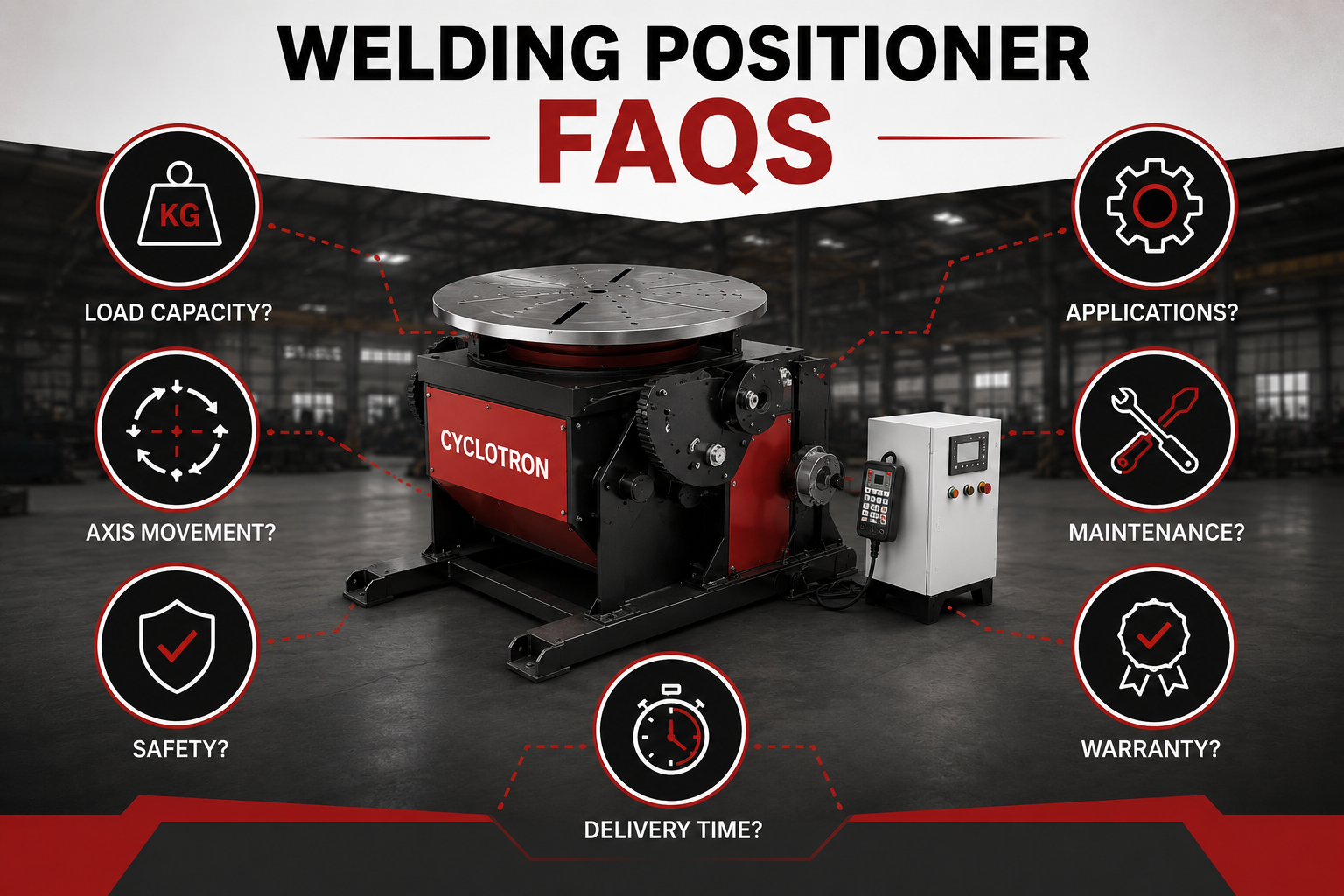
In this blog we will address all the commonly asked questions related to Welding positioners or Cyclotron Welding positioners specifically
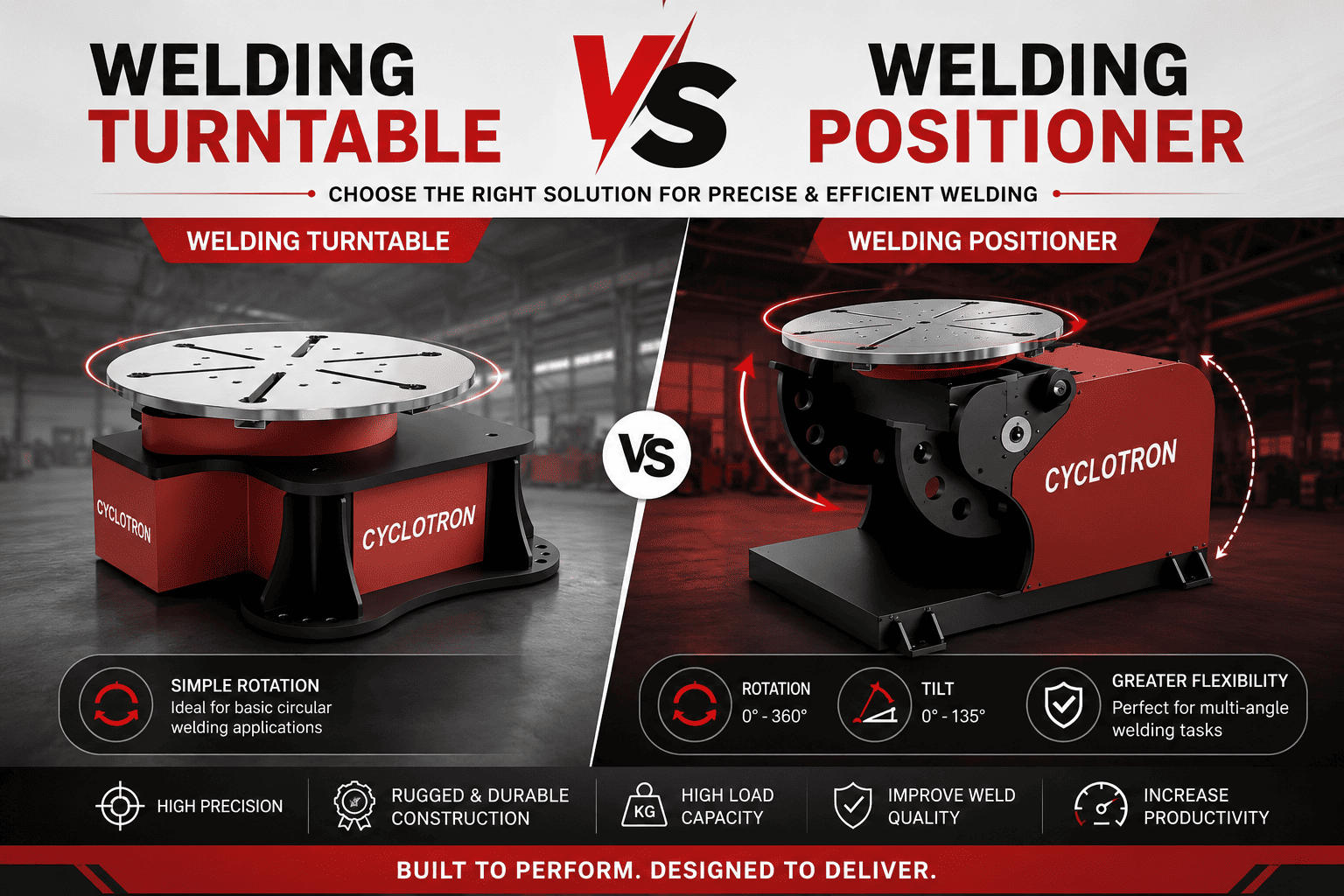
Welding Turntable vs Welding Positioner: What’s the Difference?
A welding turntable provides simple rotation for smooth, consistent welds. A welding positioner can also tilt and angle the workpiece,
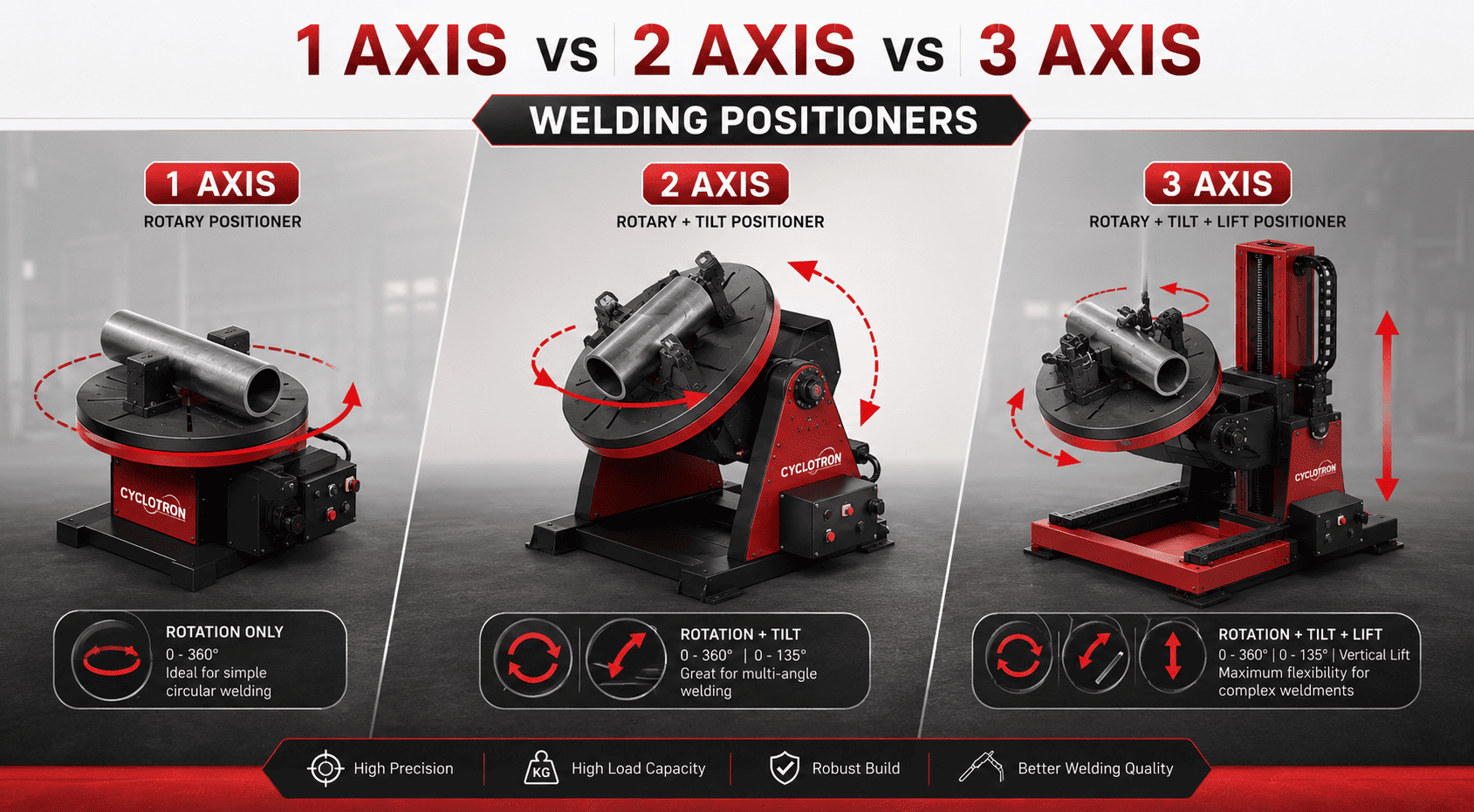
1 Axis vs 2 Axis vs 3 Axis Welding positioners
Compare 1 axis vs 2 axis vs 3 axis welding positioners based on rotation, tilt, flexibility, applications, cost, and automation. Learn which welding positioner is best for your fabrication needs.
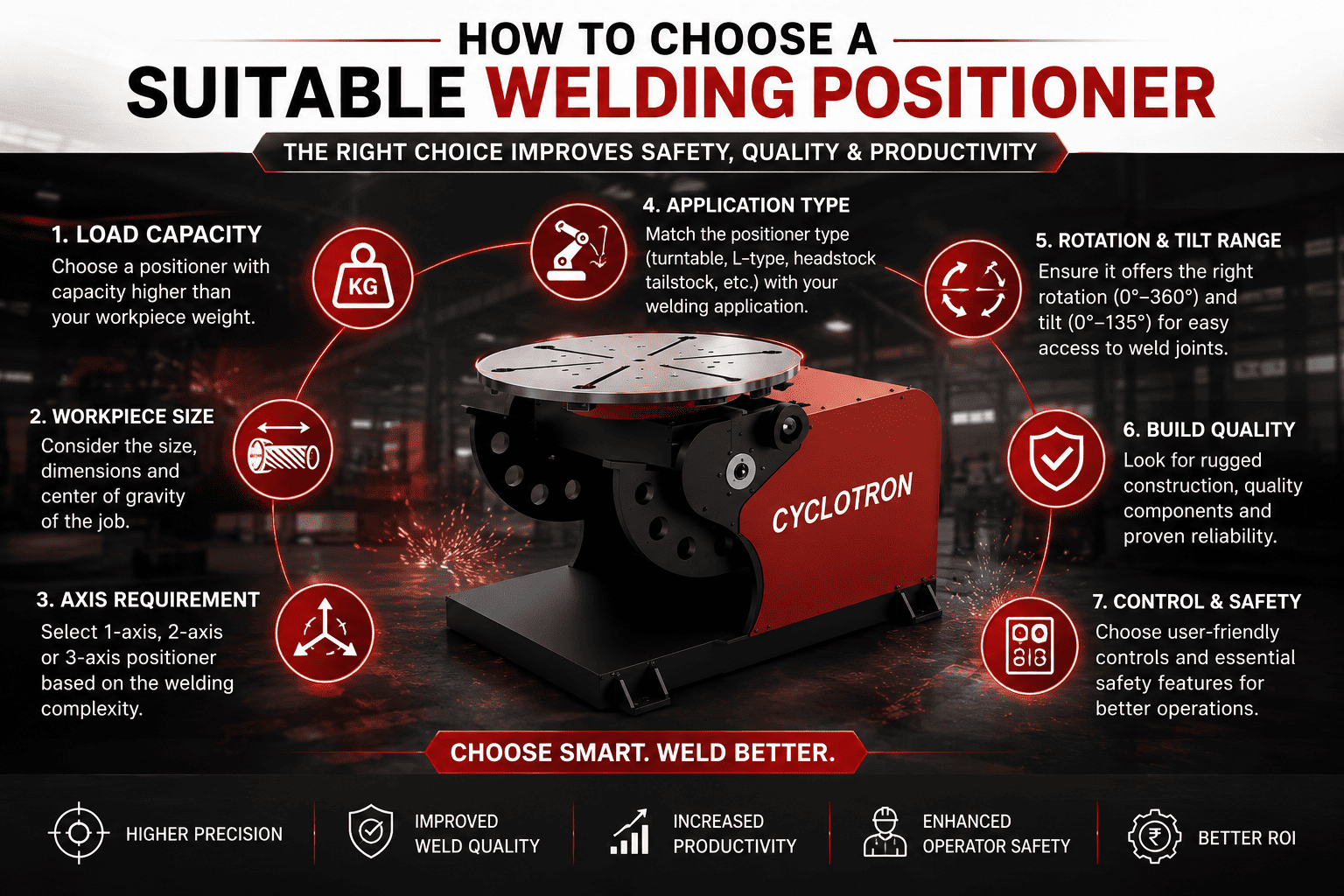
How to select a suitable welding positioner?
Selecting the right welding positioner plays a critical role in the fabrication setup. Welding positioners are designed to handle different load ranges.