Welding Turntable vs Welding Positioner: What’s the Difference?
A Complete Guide
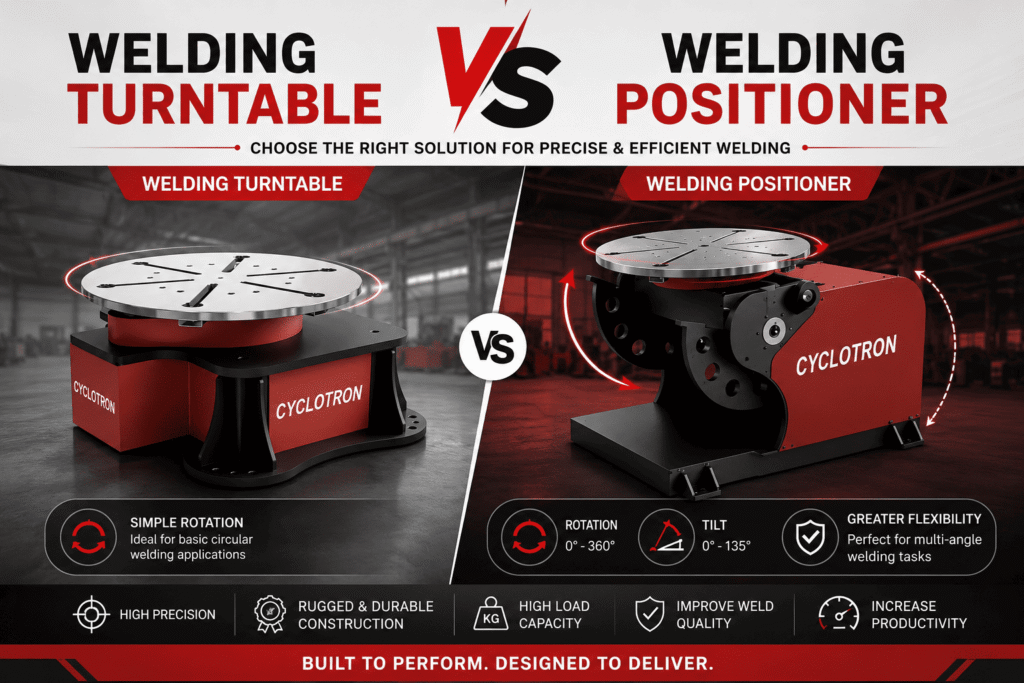
A welding turntable provides simple rotation for smooth, consistent welds. A welding positioner can also tilt and angle the workpiece, making complex welding jobs easier.
The main difference is flexibility. Turntables handle basic rotation, while positioners support multi-axis movement for better weld access.
Choosing the right system depends on your fabrication needs, job complexity, and production goals. This guide explains the key differences, applications, and benefits of welding turntables and welding positioners.
Cyclotron Welding Positioners from India
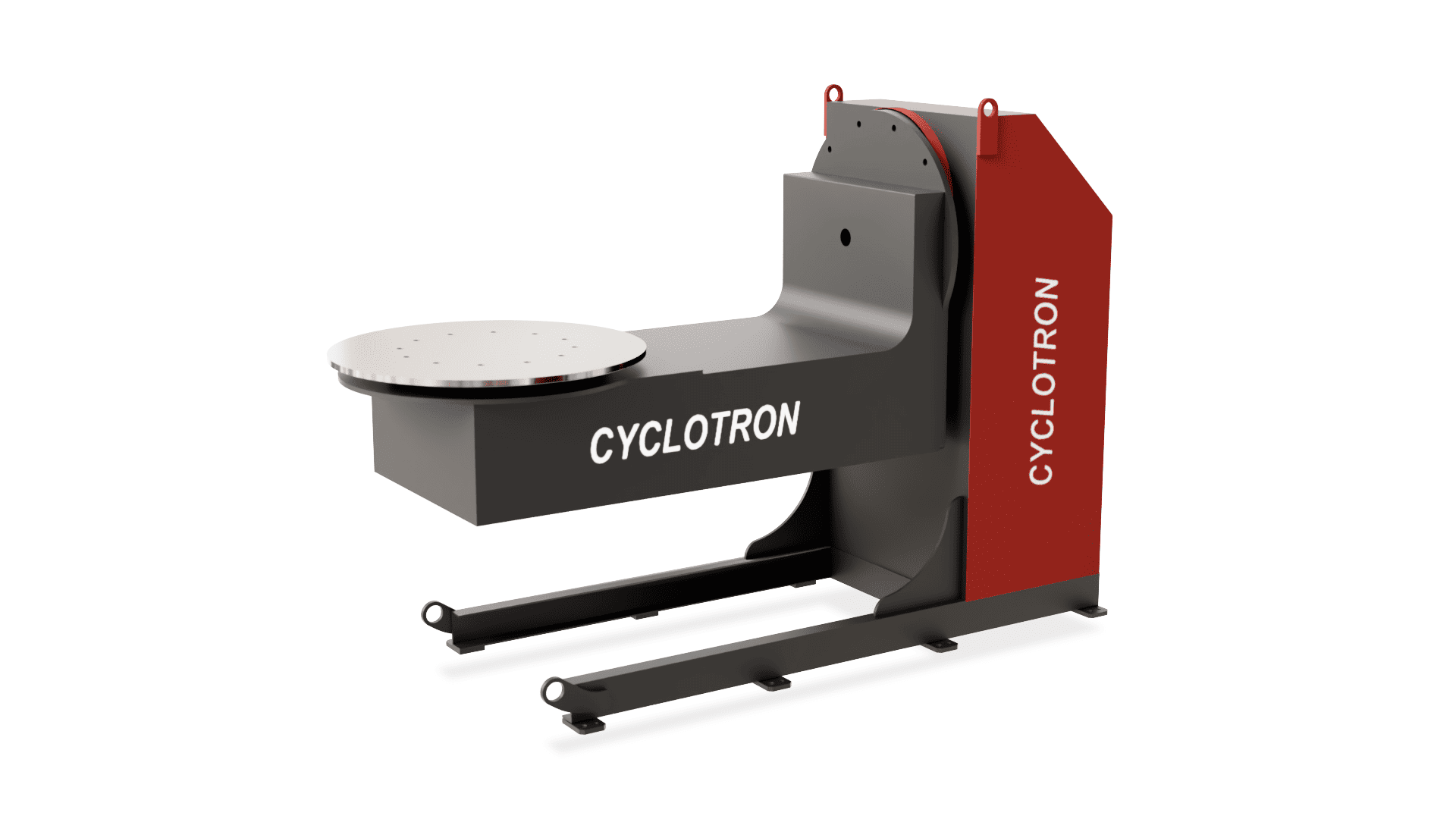
Cyclotron manufactures industrial welding positioners from 100 kg to 100 Tons capacity, designed for robotic/manual welding, heavy fabrication, and high-production welding environments.
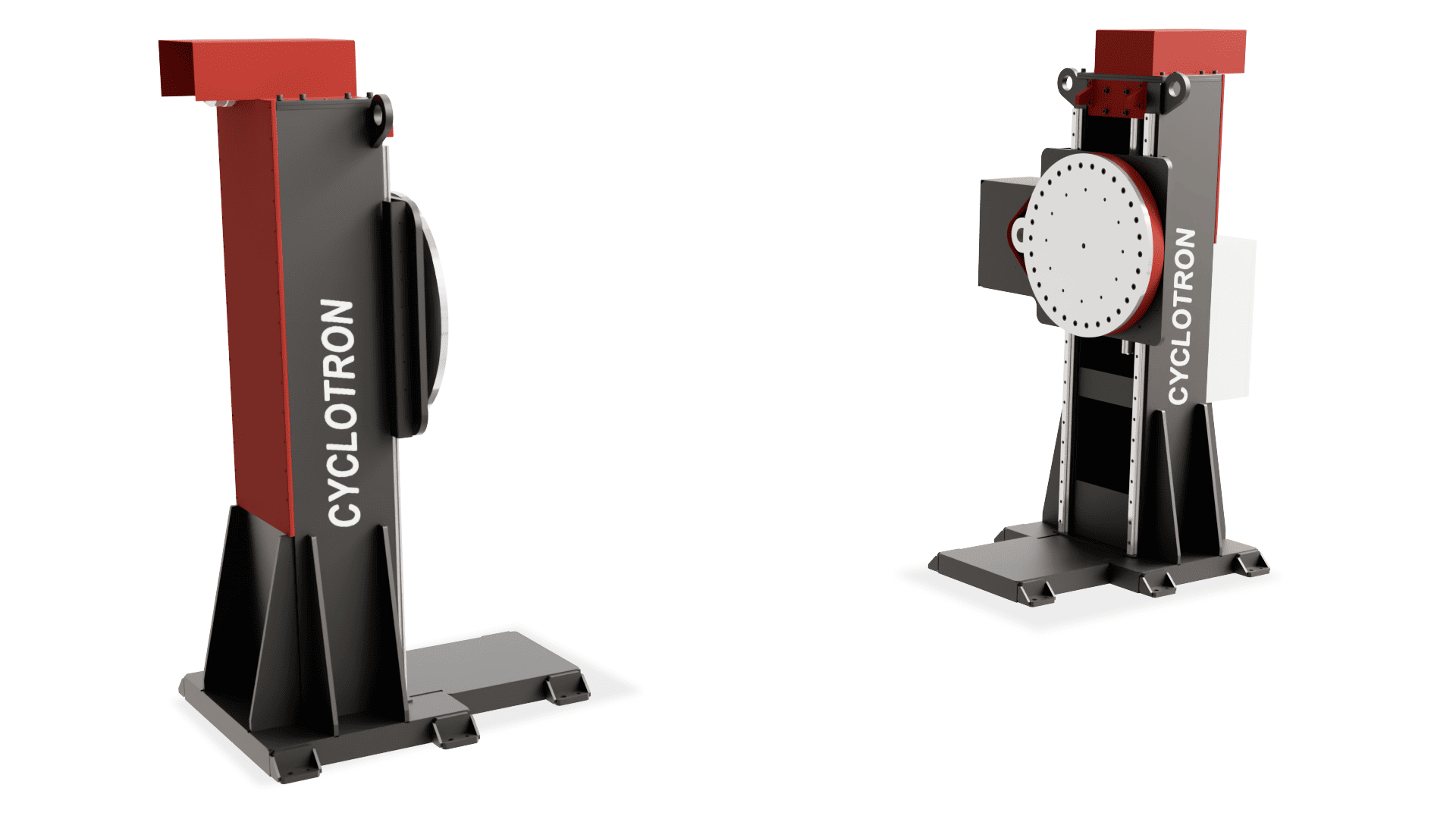
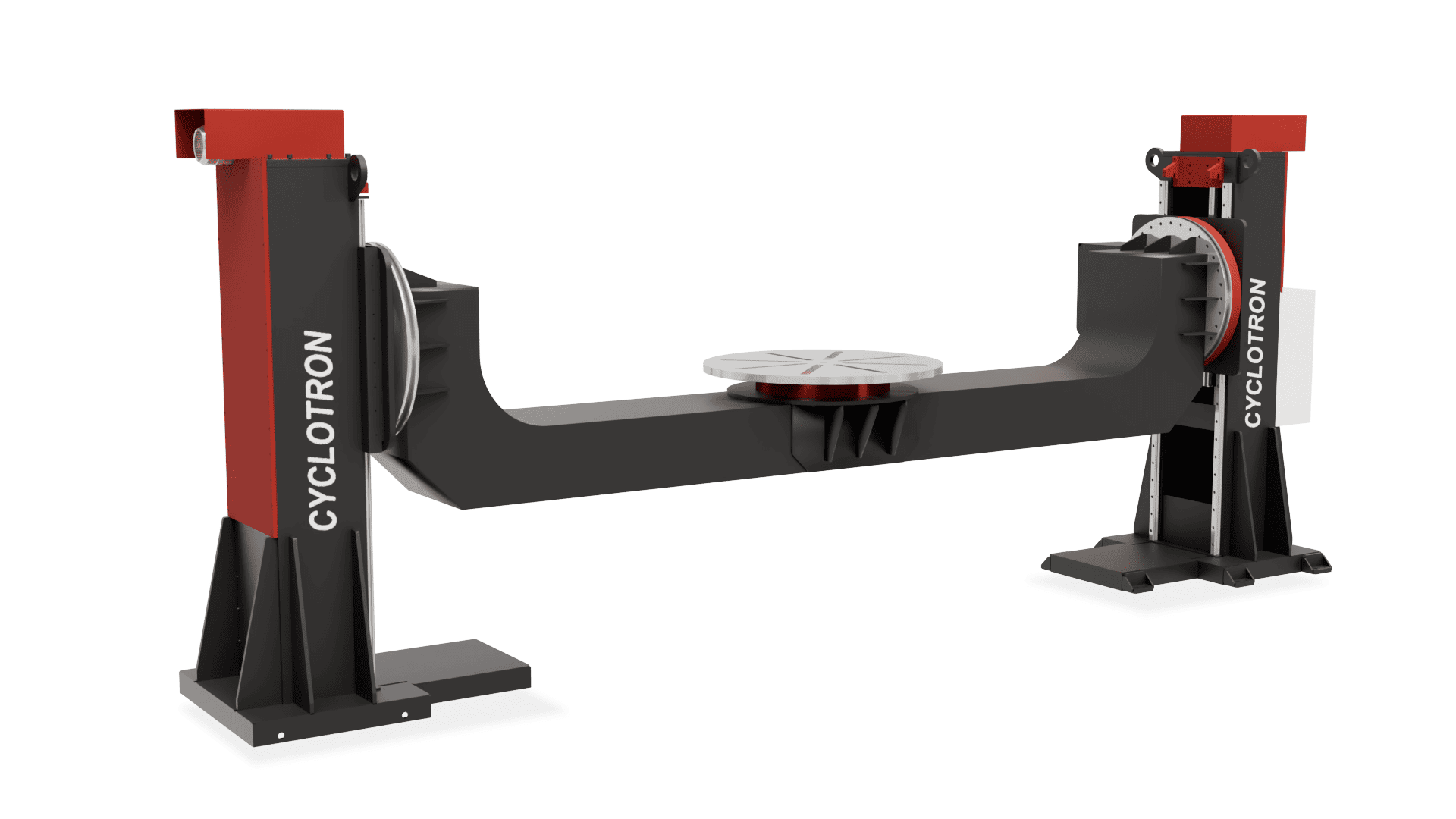
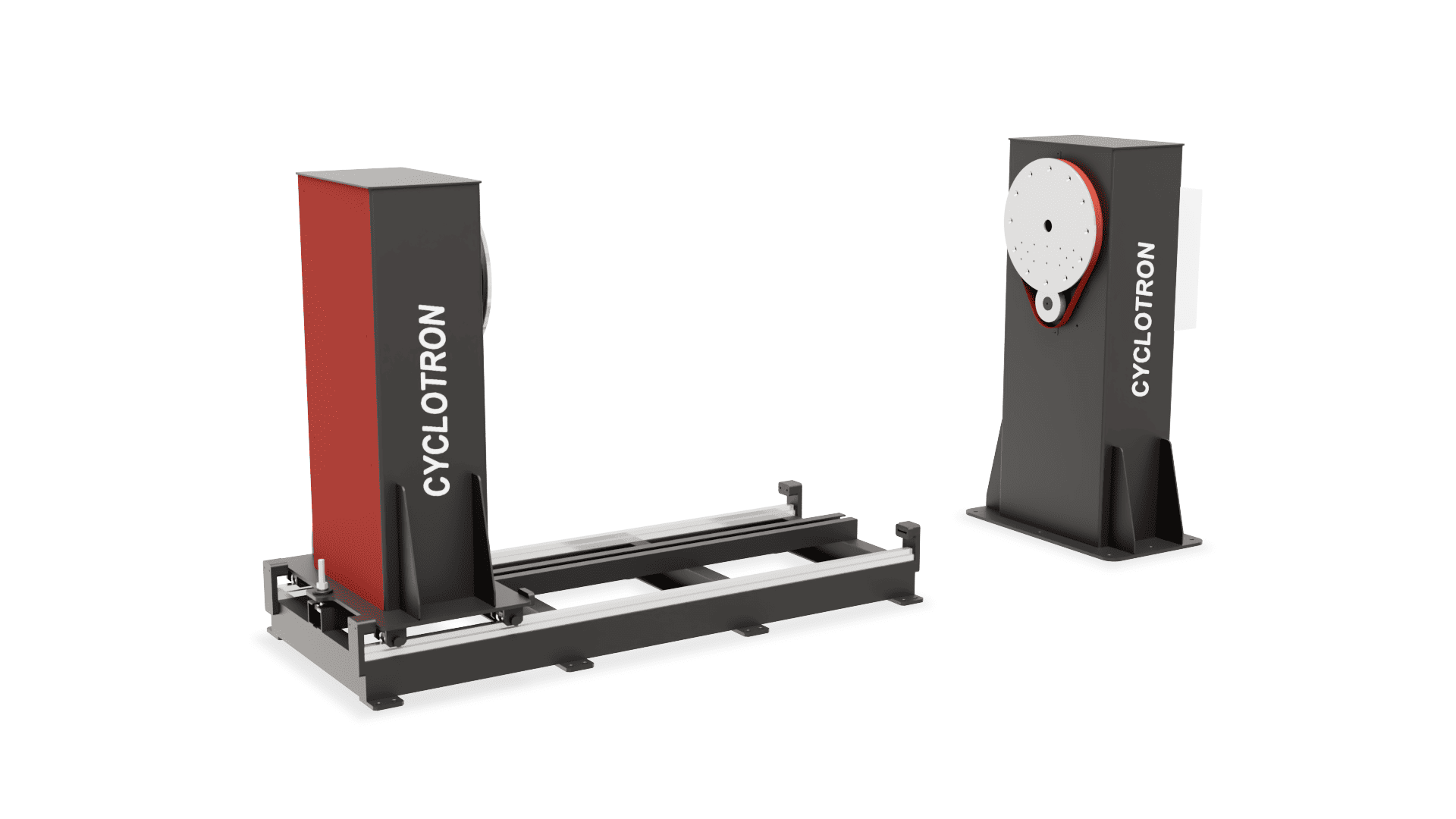
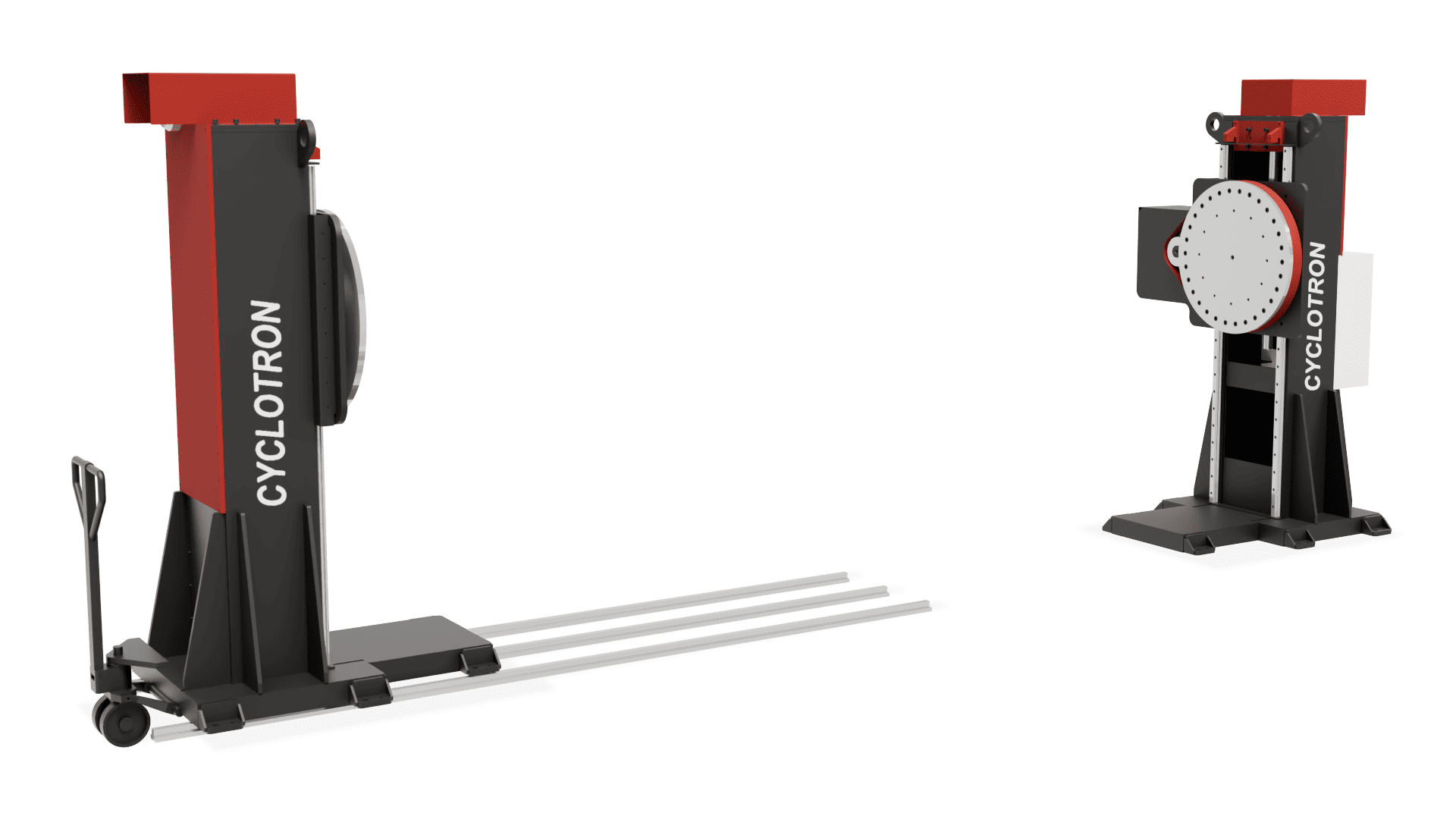
- Cyclotron manufactures all types of Manual/Robotic welding positioners like 1 axis, 2 axis, 3 axis, Headstock-tailstock, L Type, skyhook, etc
What Is a Welding Turntable?
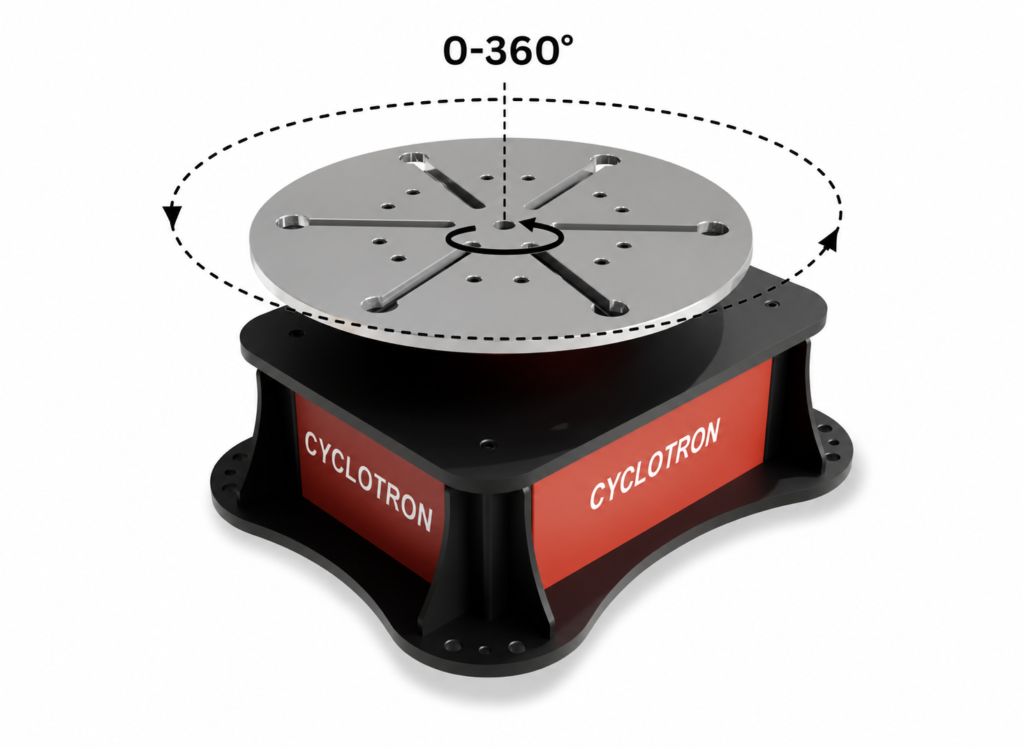
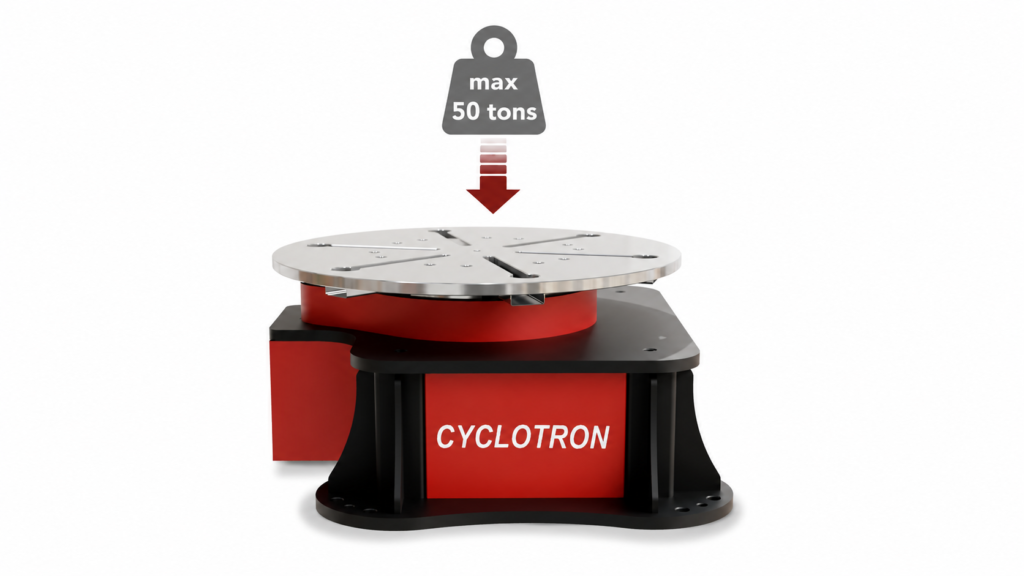
A welding turntable is a single-axis device that rotates workpieces horizontally during welding. It’s mainly used for circular or circumferential welds, helping create smooth and consistent results.
Unlike welding positioners, a typical welding turntable machine focuses only on rotation without tilt or angle adjustment. Their simple design makes them easier to operate, maintain, and more cost-effective for repetitive jobs.
They are commonly used for pipes, flanges, tanks, and other cylindrical components where basic horizontal rotation is enough.
What Is a Welding Positioner?
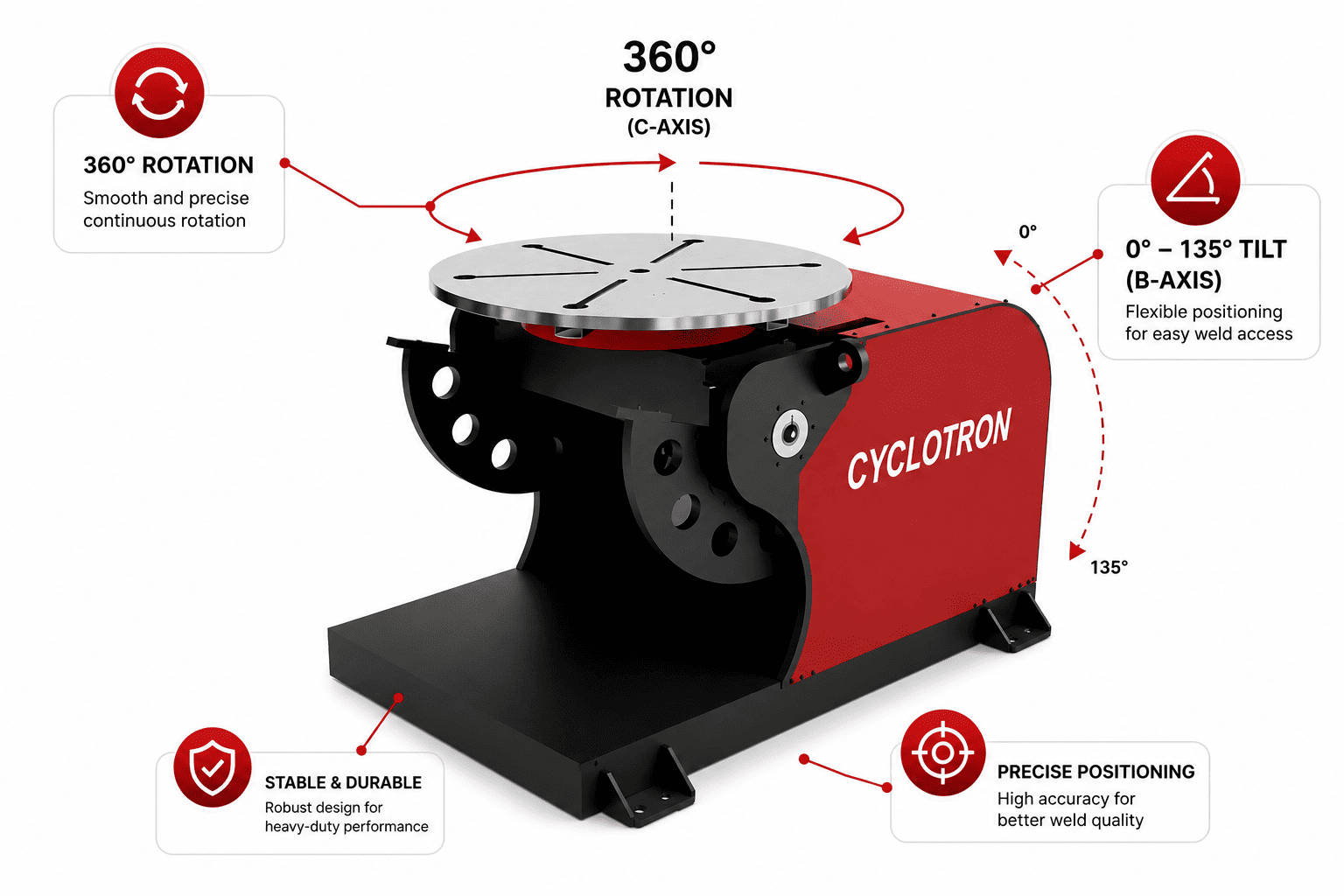
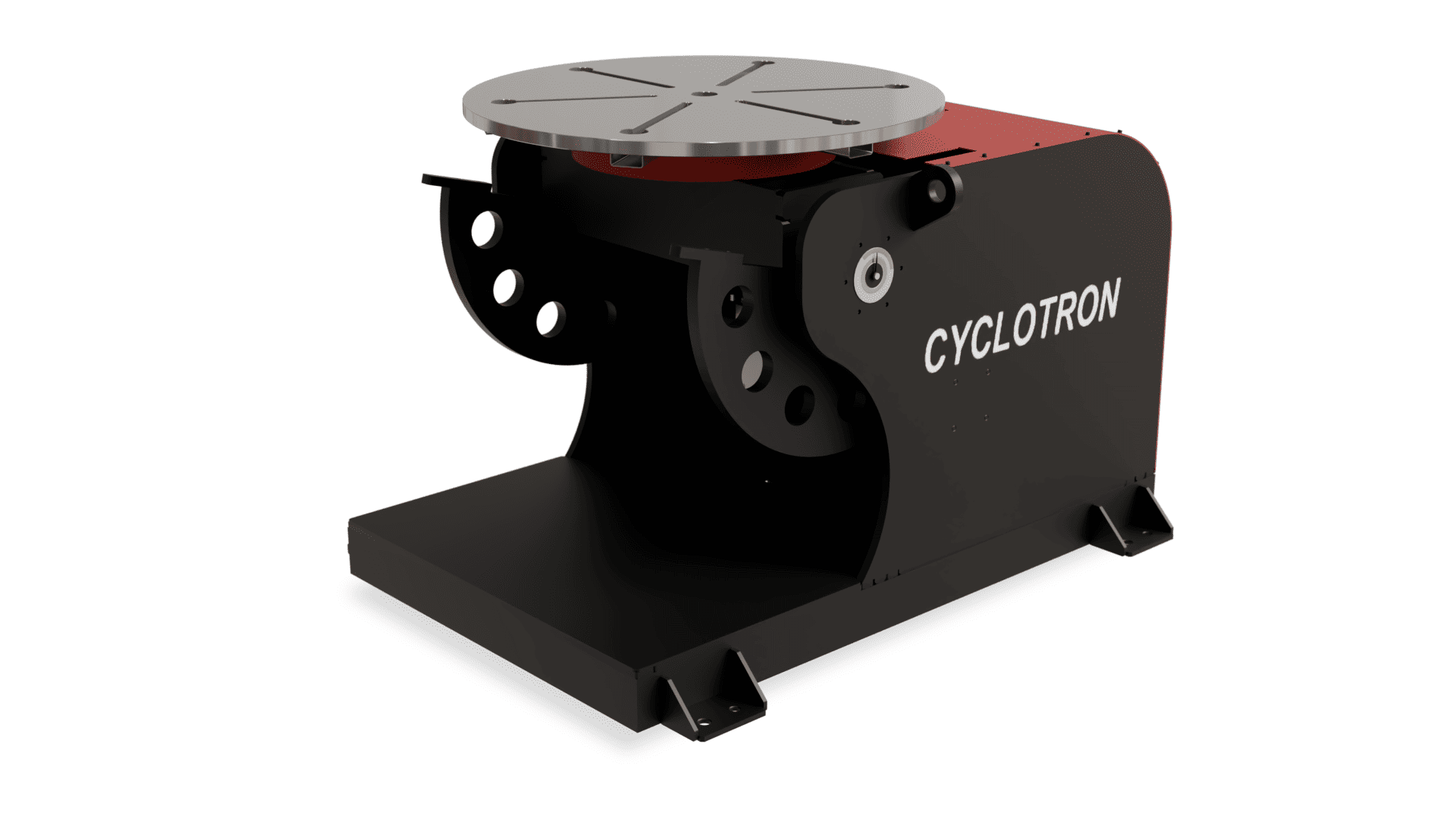
A welding positioner is an advanced welding automation device designed to rotate, tilt, and accurately position workpieces during welding operations. Unlike a turntable, an industrial welding positioner offers multi-axis movement, usually operating with 2-axis or 3-axis functionality for greater flexibility.
These systems are widely used in complex fabrication environments where weld joints must be positioned at precise angles for improved accessibility and weld quality. The ability to tilt and rotate heavy workpieces helps welders reach difficult welding joints safely and efficiently.
Welding positioners also improve ergonomic working conditions by minimizing awkward welding positions and reducing operator fatigue. They are commonly integrated into automated and robotic welding systems for high-precision manufacturing applications.
Because of their advanced movement capabilities, welding positioners are ideal for handling large, irregular, or multi-sided fabrication jobs that require continuous repositioning throughout the welding process.
Main Difference Between Welding Turntable and Welding Positioner
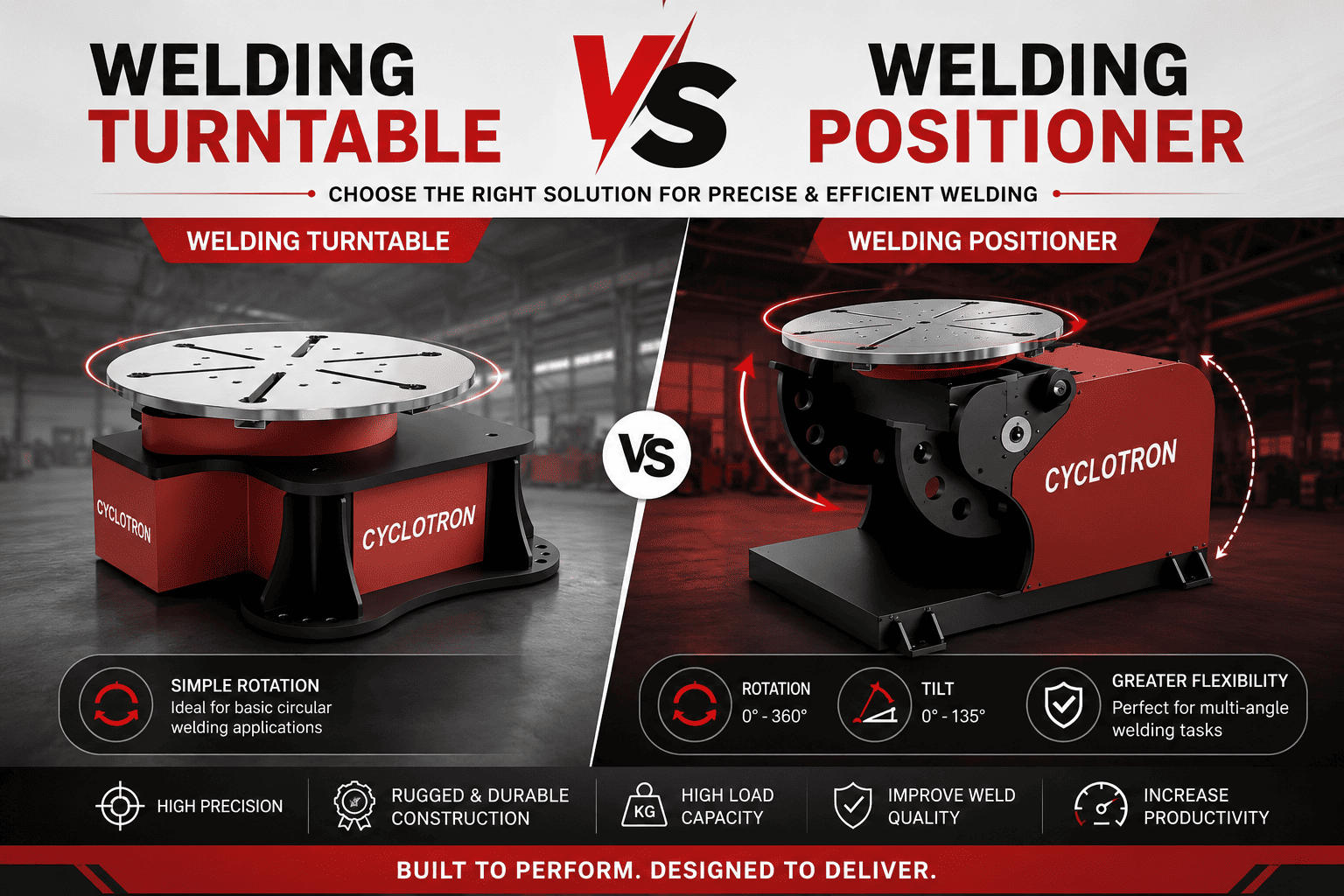
The primary difference between welding turntable and positioner systems lies in movement flexibility and operational capability. While both systems rotate workpieces during welding, a turntable provides only single-axis rotational movement, whereas a positioner offers rotation combined with tilt and angular positioning. Here’s a quick comparison:
| Feature | Welding Turntable | Welding Positioner |
|---|---|---|
| Axis Movement | Single Axis | 2 or 3 Axis |
| Rotation | Yes | Yes |
| Tilting | No | Yes |
| Flexibility | Limited | Advanced |
| Complexity | Simple | Advanced |
| Applications | Circular jobs | Multi-angle fabrication |
| Cost | Lower | Higher |
A welding turntable is best suited for jobs that only require smooth horizontal rotation. It works efficiently for pipes, cylinders, and repetitive circular welding tasks.
In contrast, a welding positioner provides enhanced welding accessibility because the workpiece can be tilted and angled into the optimal welding position. This multi-axis movement reduces the need for manual repositioning and improves weld consistency, especially in complex fabrication projects.
For manufacturers handling difficult weld geometries or large structures, welding positioners offer a more versatile and productivity-driven solution.
Applications of Welding Turntables
There are several common welding turntable applications across light and medium fabrication industries. These systems are mainly used in operations where continuous rotational welding is required.
Typical applications include:
- Pipe welding
- Circular welding
- Small cylindrical jobs
- Light fabrication work
- Repetitive production welding
Welding turntables are especially effective for simple rotational welding tasks where complex positioning is unnecessary. Their compact design and easy operation make them suitable for workshops focused on repetitive and cost-sensitive manufacturing processes.
Cyclotron Welding Positioners from India
Cyclotron manufactures industrial welding positioners from 100 kg to 100 Tons capacity, designed for robotic/manual welding, heavy fabrication, and high-production welding environments.
- Cyclotron manufactures all types of Manual/Robotic welding positioners like 1 axis, 2 axis, 3 axis, Headstock-tailstock, L Type, skyhook, etc
Applications of Welding Positioners
Modern welding positioner applications extend across multiple heavy industrial sectors due to their flexibility and advanced positioning capabilities.
Common applications include:
- Structural fabrication
- Pressure vessel manufacturing
- Heavy fabrication projects
- Complex weld assemblies
- Robotic welding systems
- Multi-side welding operations
Welding positioners are ideal for handling large workpieces and difficult welding angles. They help improve productivity in industries where precision welding and multi-angle access are essential for maintaining high-quality fabrication standards.
How to Choose Between a Welding Turntable and Positioner
Choosing the right welding automation system depends on your production requirements, workpiece complexity, and budget. When evaluating welding automation solutions, consider the following factors:
1. Job Complexity
Simple circular welding tasks generally require only a turntable, while complex fabrication jobs benefit from a positioner.
2. Number of Welding Angles
If multiple weld angles are needed, a welding positioner offers better flexibility and accessibility.
3. Workpiece Size and Weight
Heavy or irregular components often require advanced positioning systems for safe handling.
4. Automation Requirements
Robotic and automated welding systems typically integrate better with multi-axis welding positioners.
5. Budget Considerations
Turntables are more affordable, making them suitable for businesses with limited automation needs.
6. Future Scalability
Companies planning future production expansion may benefit from investing in more versatile equipment from the start.
In general, a turntable works best for straightforward rotational jobs, while a positioner is ideal for precision welding and complex fabrication application
Conclusion
Understanding the differences between a welding turntable vs welding positioner is essential for selecting the right welding automation equipment for your operations. A welding turntable is a simple single-axis rotational system designed for circular welding tasks, while a welding positioner offers advanced multi-axis movement for complex fabrication projects.
The right decision depends on your project requirements, application, production goals, and budget. If you’re looking for customized welding automation systems, explore advanced industrial welding positioners and turntables designed to improve productivity, weld quality, and operational efficiency.
For expert guidance and tailored welding automation solutions, contact Cyclotron today and discover the ideal system for your fabrication needs.
Welding Turntable vs Welding Positioner: What’s the Difference?
A welding turntable provides simple rotation for smooth, consistent welds. A welding positioner can also tilt and angle the workpiece,
1 Axis vs 2 Axis vs 3 Axis Welding positioners
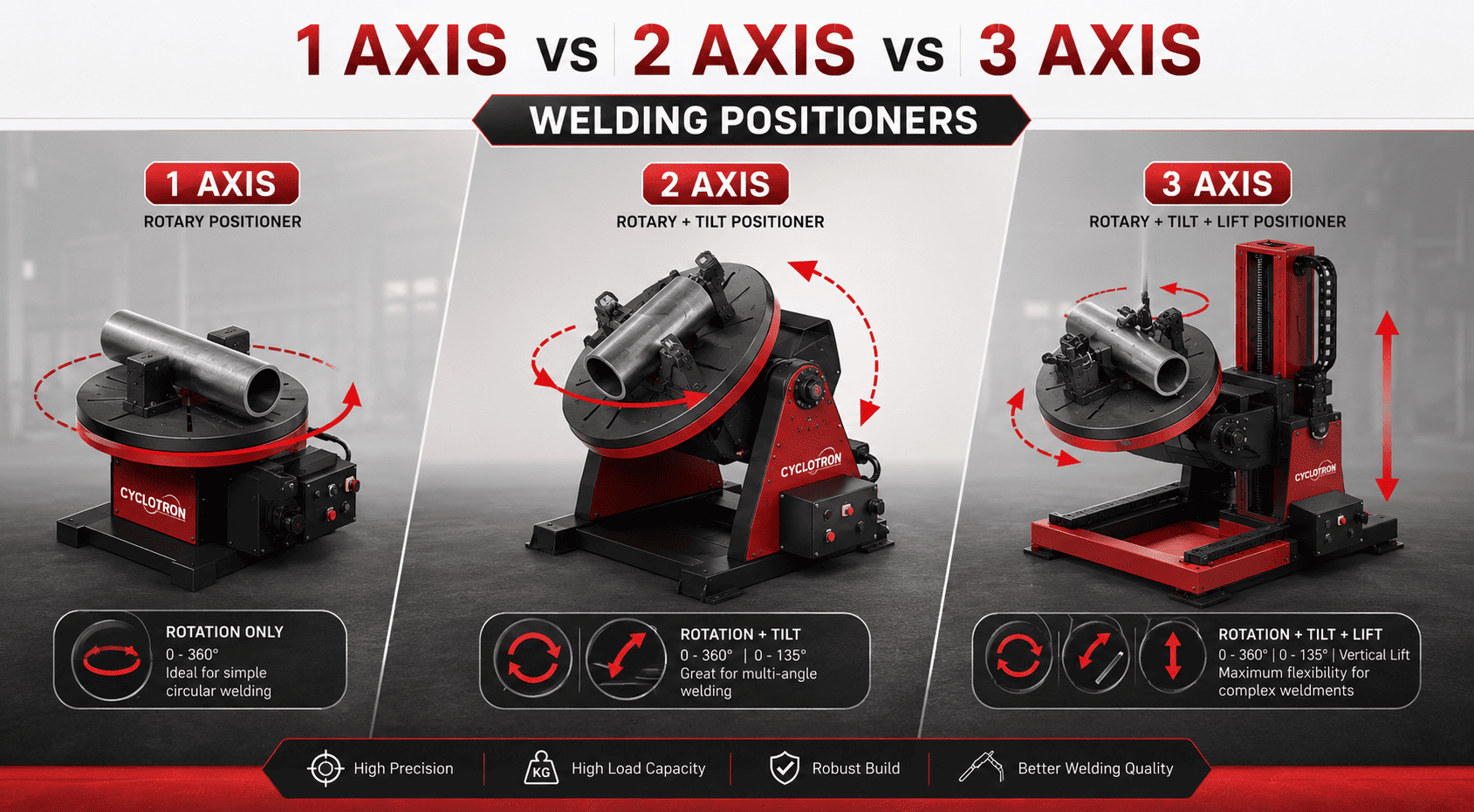
Compare 1 axis vs 2 axis vs 3 axis welding positioners based on rotation, tilt, flexibility, applications, cost, and automation. Learn which welding positioner is best for your fabrication needs.
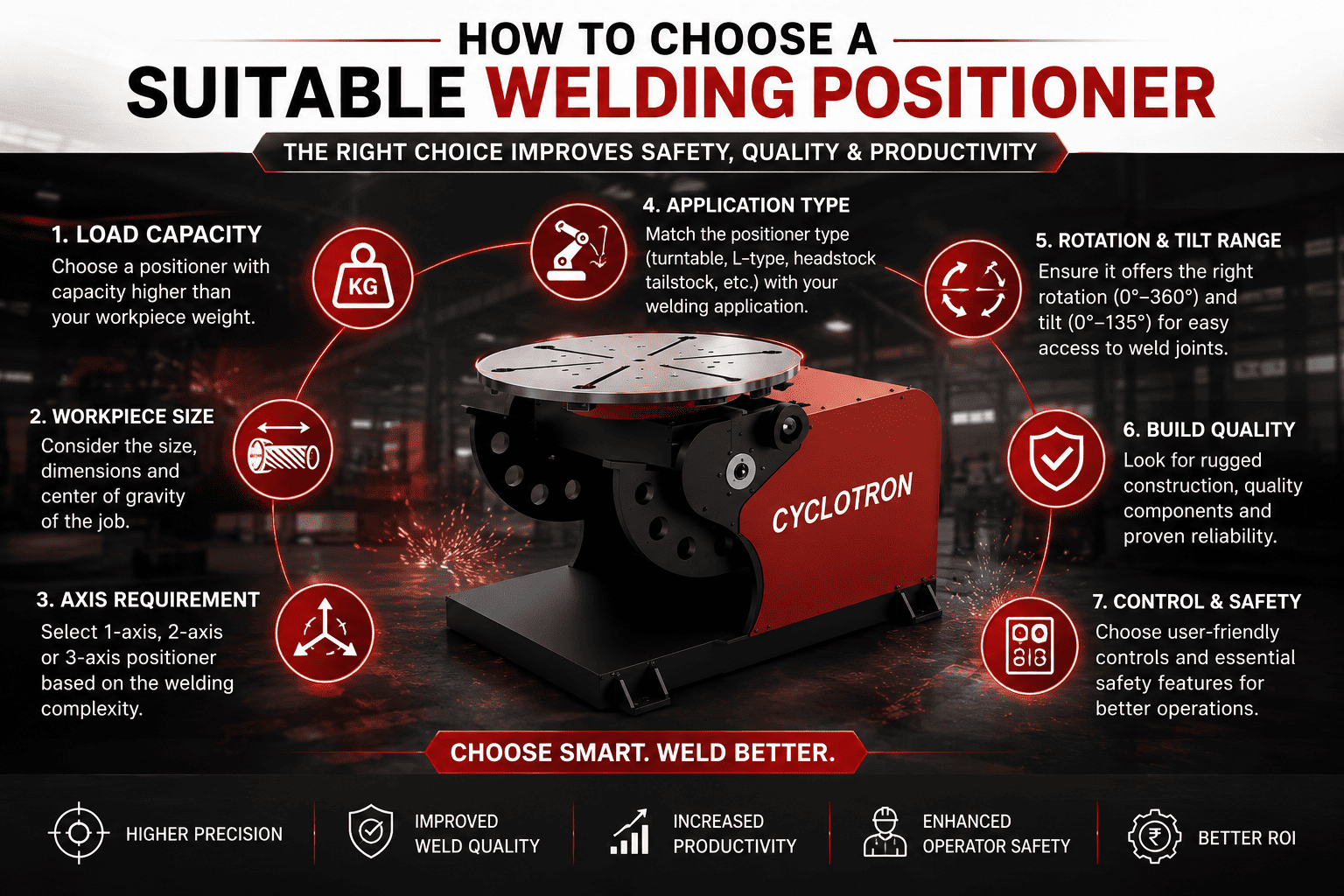
How to select a suitable welding positioner?
Selecting the right welding positioner plays a critical role in the fabrication setup. Welding positioners are designed to handle different load ranges.
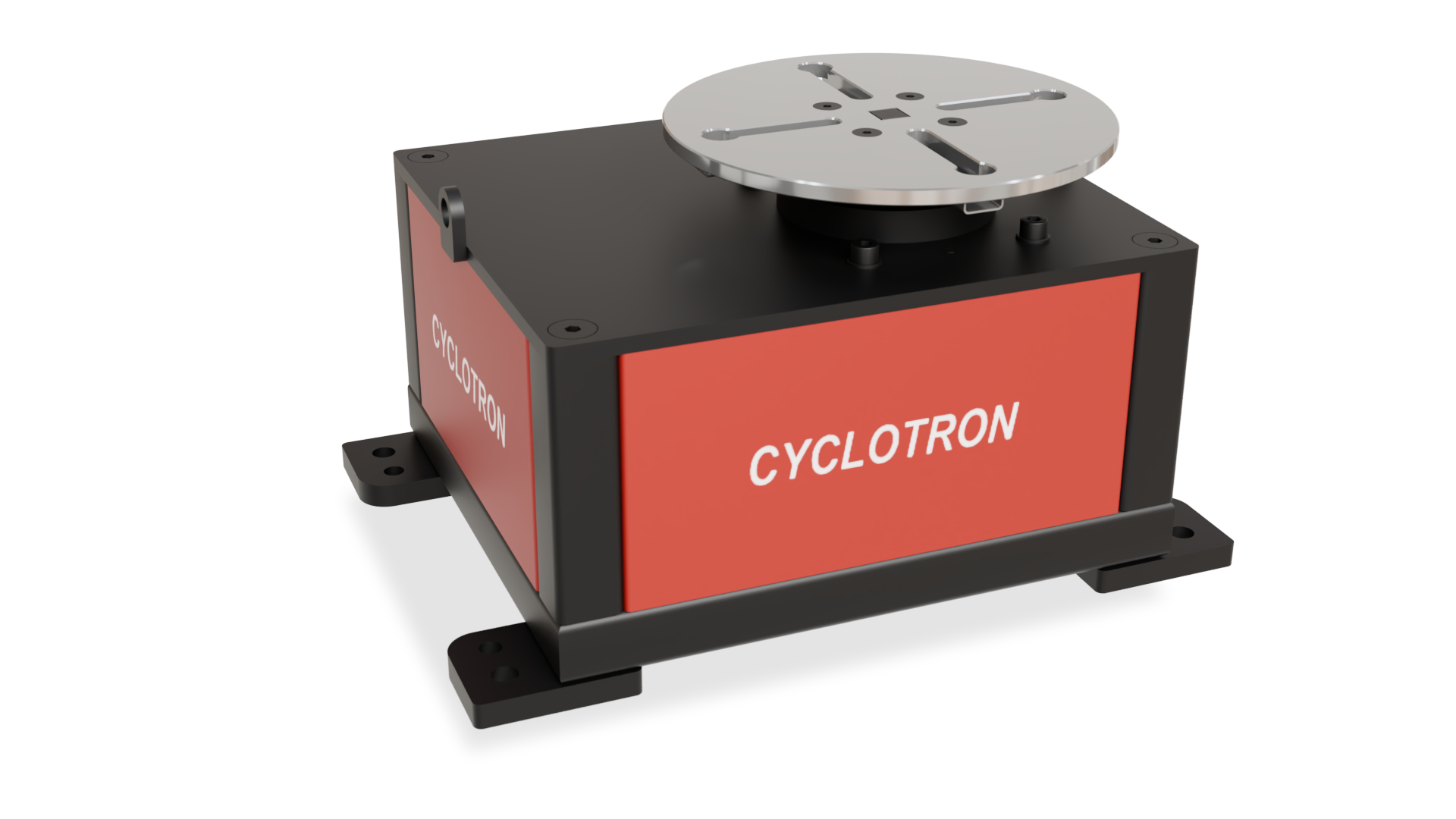
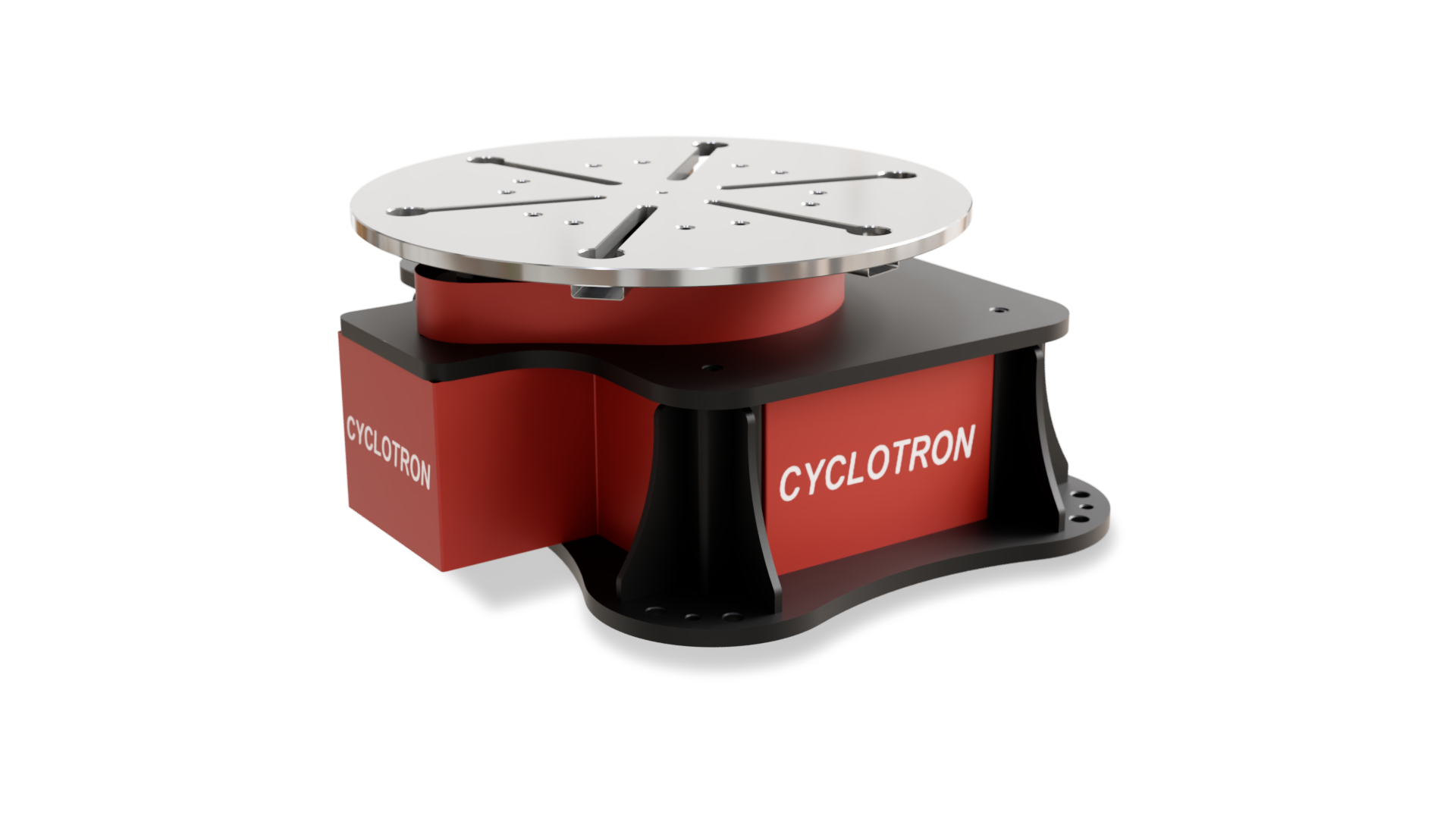
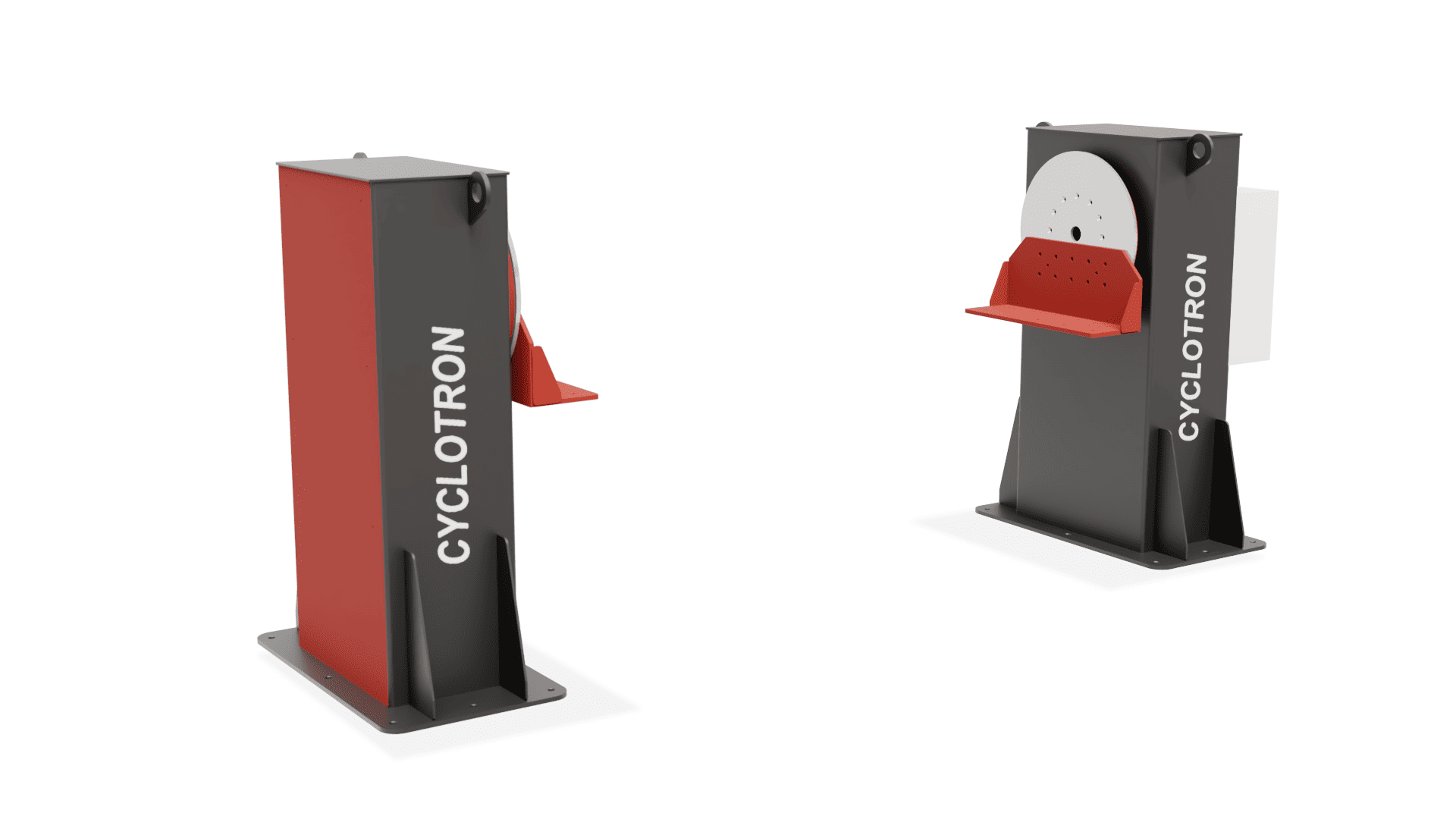
In this blog we will address all the commonly asked questions related to Welding positioners or Cyclotron Welding positioners specifically