Manual vs Robotic Welding Positioners
A complete guide
When it comes to welding, the way you position your workpiece can make or break your productivity and your bottom line. As the demand for efficient, high-quality fabrication grows, manufacturers face a tough choice: stick with tried-and-true manual welding positioners or invest in innovative robotic welding systems. While robotic welding grabs headlines for its futuristic capabilities, it’s not always the golden ticket for every shop. The best solution depends on your production volume, job mix, and budget realities.
In this guide, we break down the pros and cons of manual welding vs robotic welding positioners so you can make a decision that drives real results and maximizes your return on investment. Ready to find the welding solution that fits your business and fuels your growth? Let’s get started.
Cyclotron Welding Positioners from India
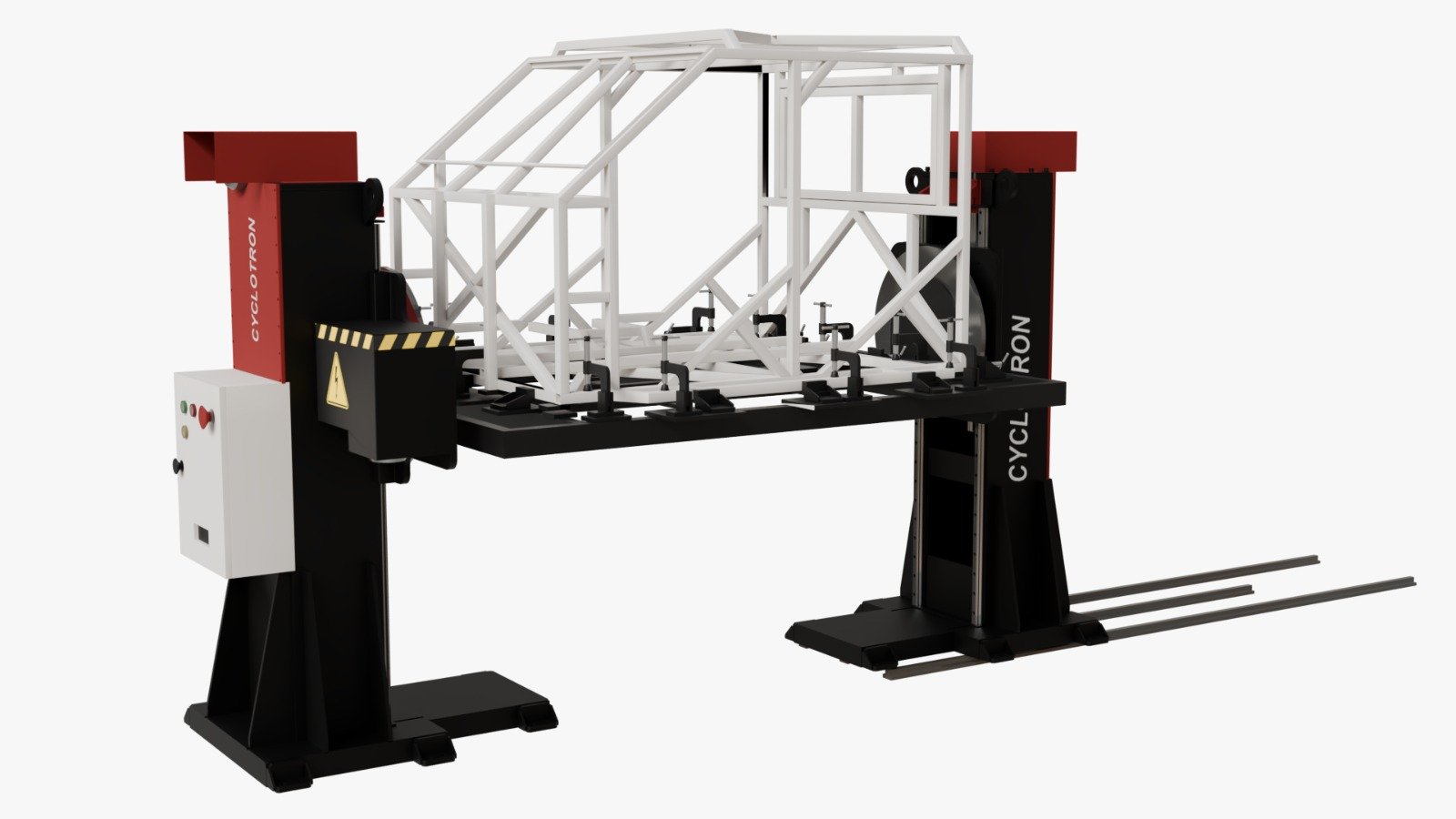
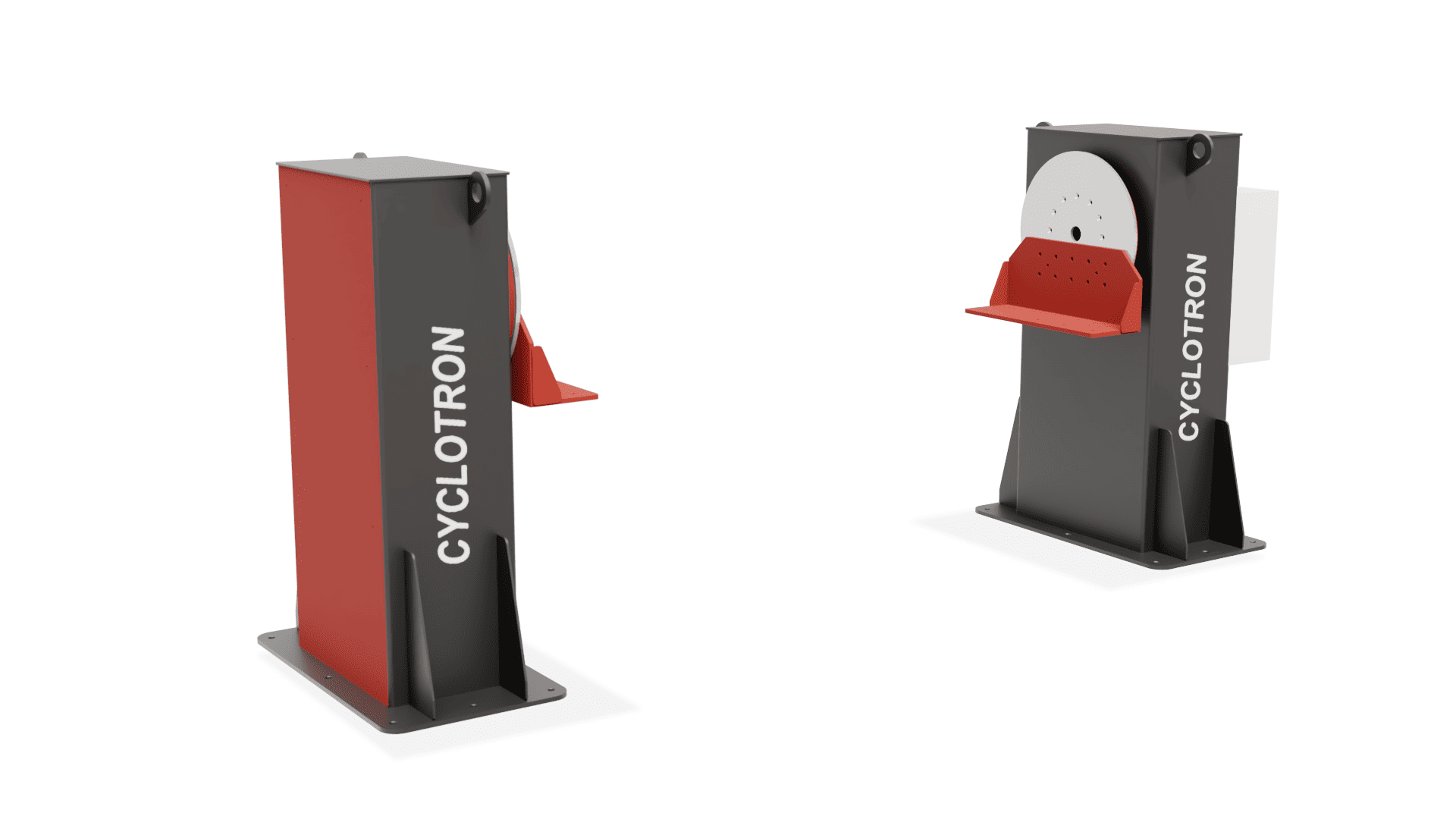
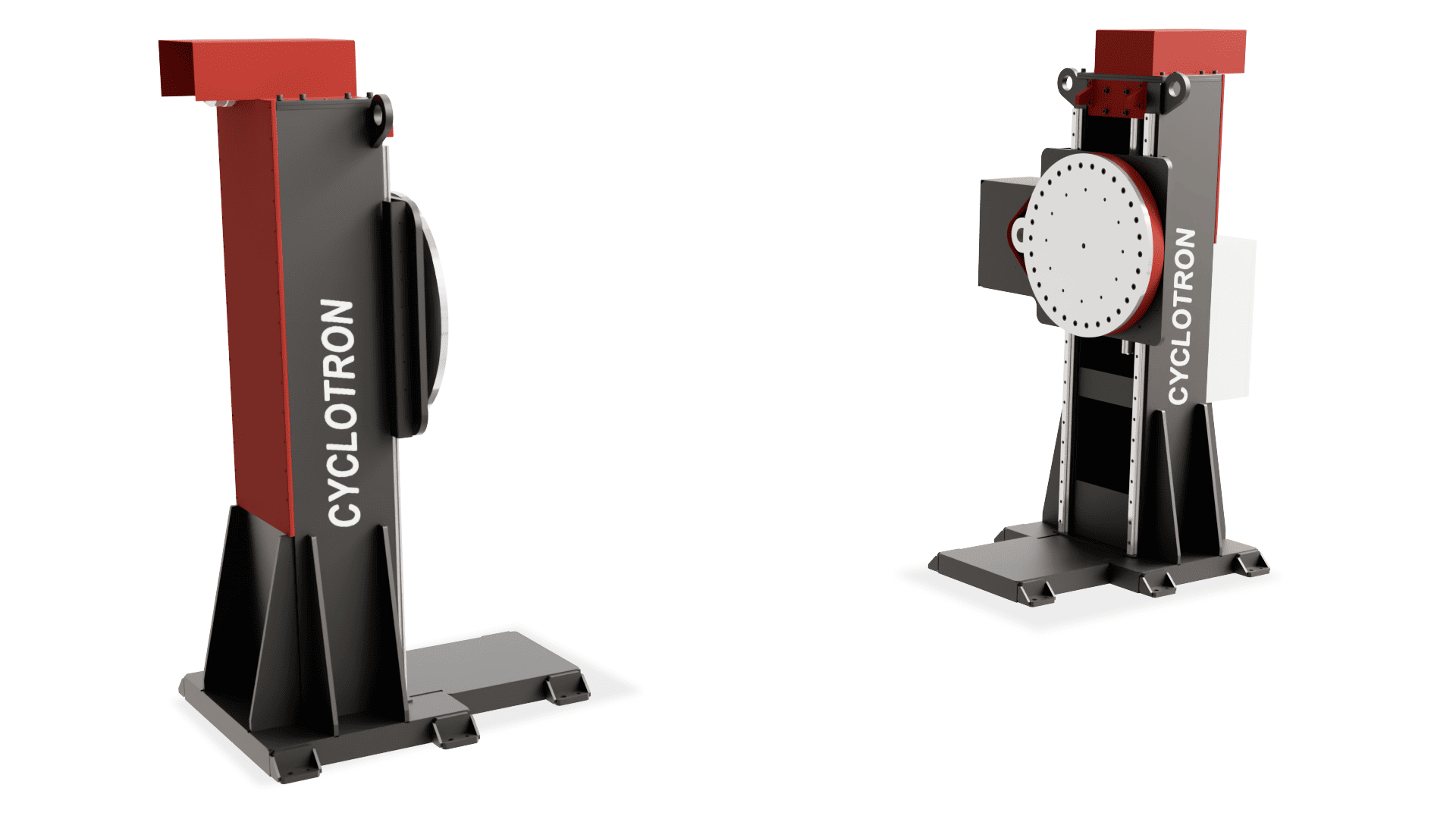
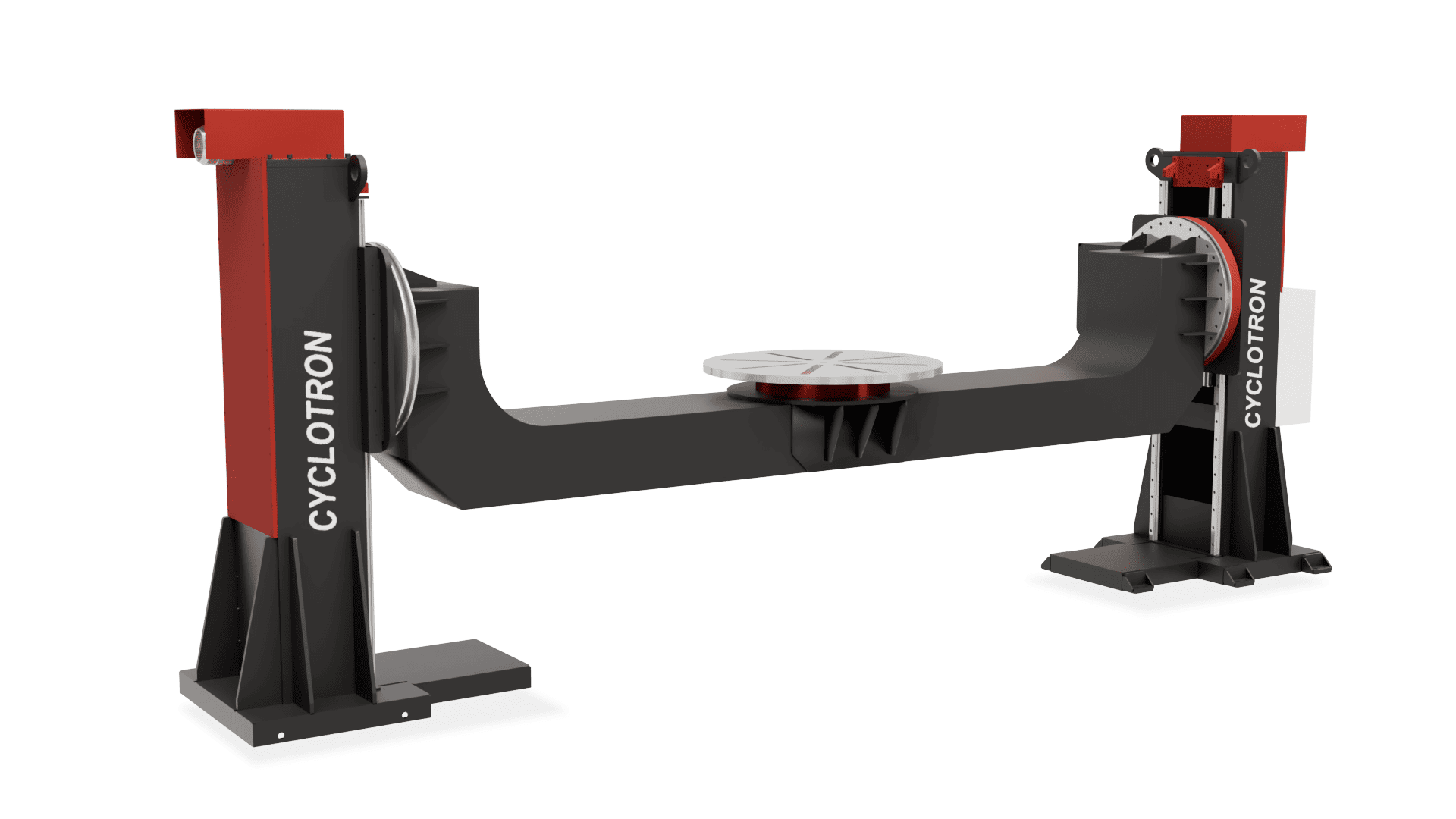
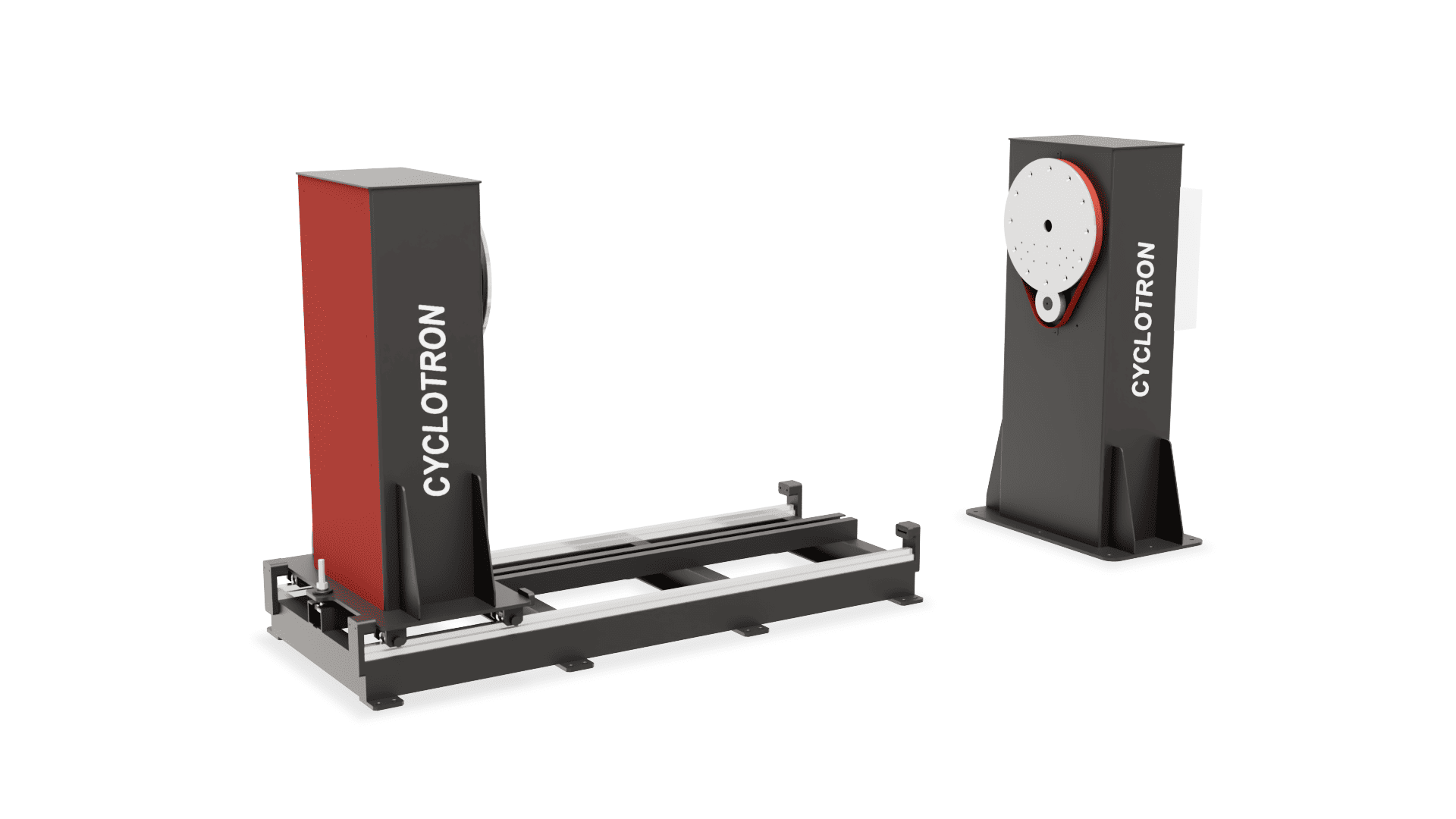
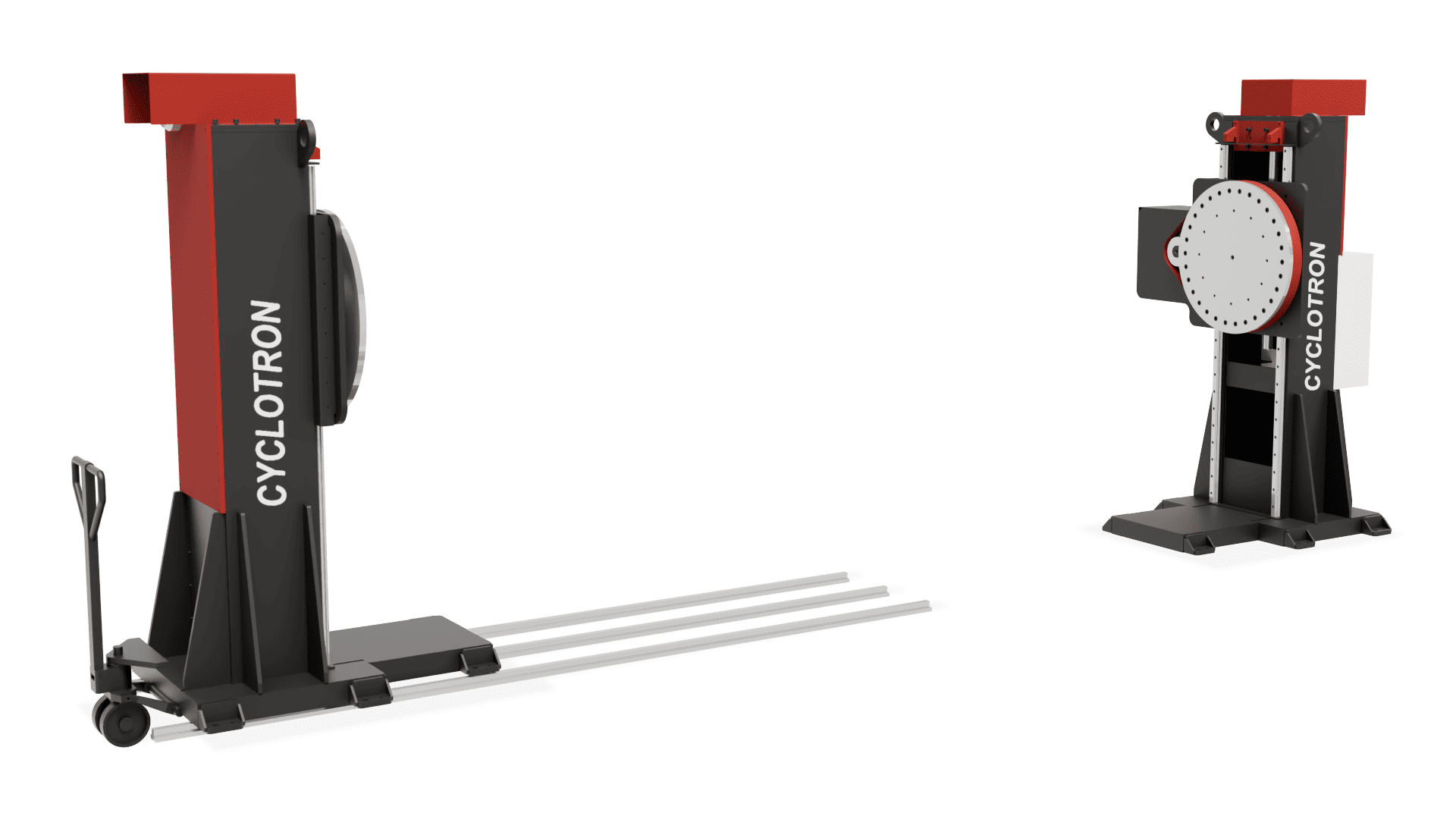
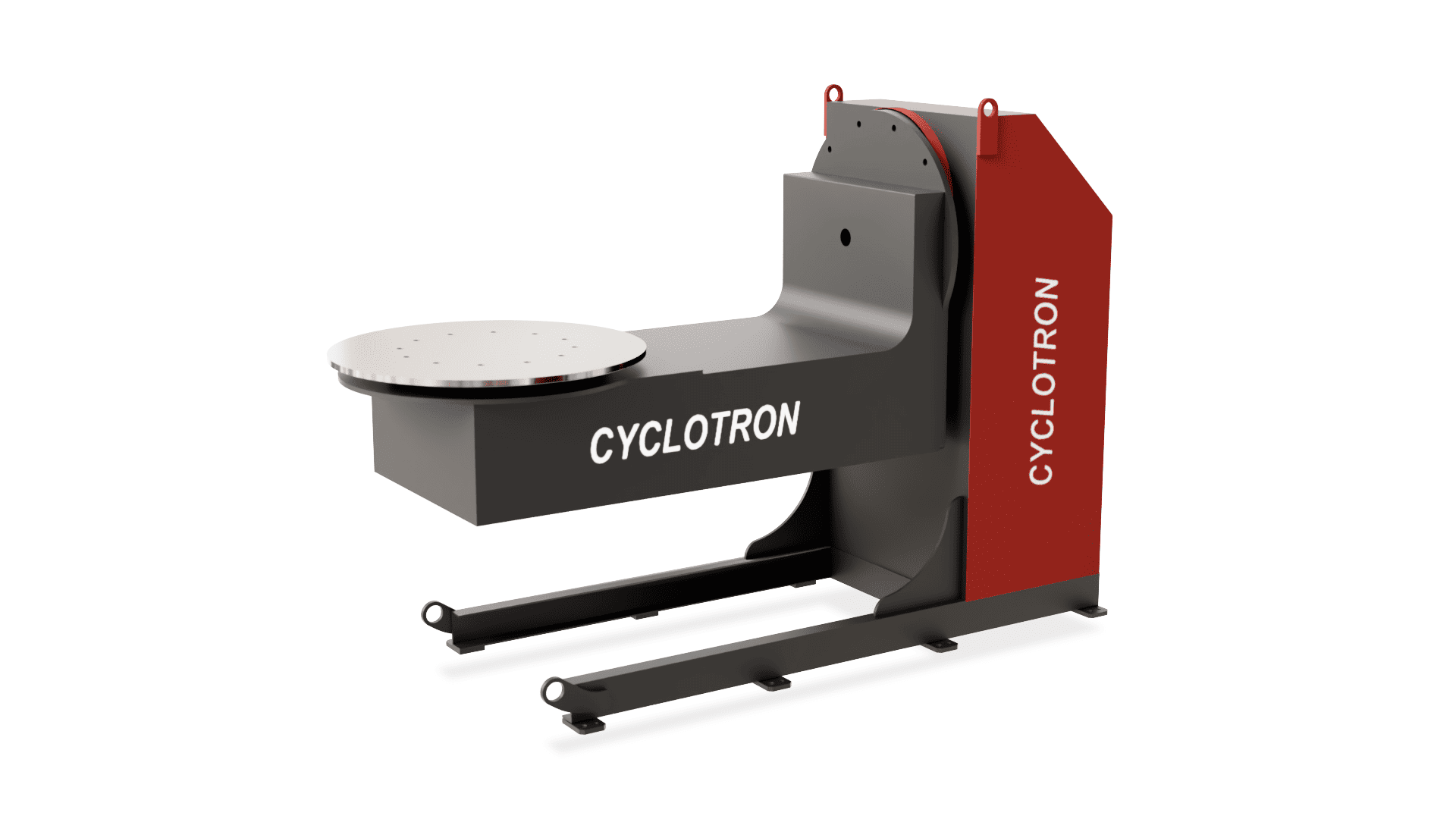
Cyclotron manufactures industrial welding positioners from 100 kg to 100 Tons capacity, designed for robotic/manual welding, heavy fabrication, and high-production welding environments.
- Cyclotron manufactures all types of Manual/Robotic welding positioners like 1 axis, 2 axis, 3 axis, Headstock-tailstock, L Type, skyhook, etc
What Is a Manual Welding Positioner ?
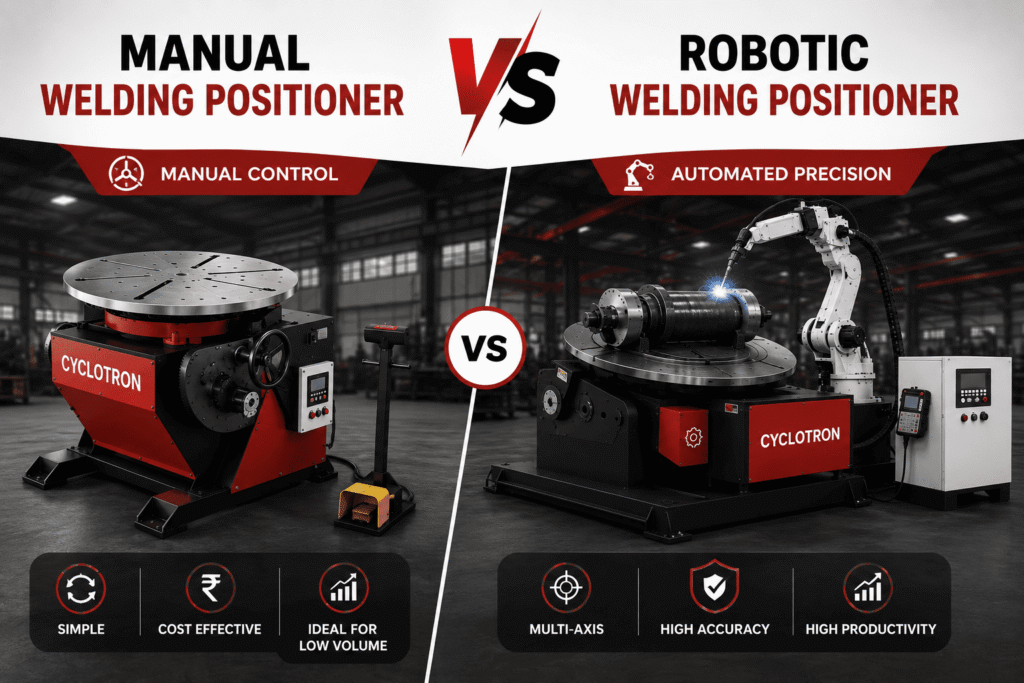
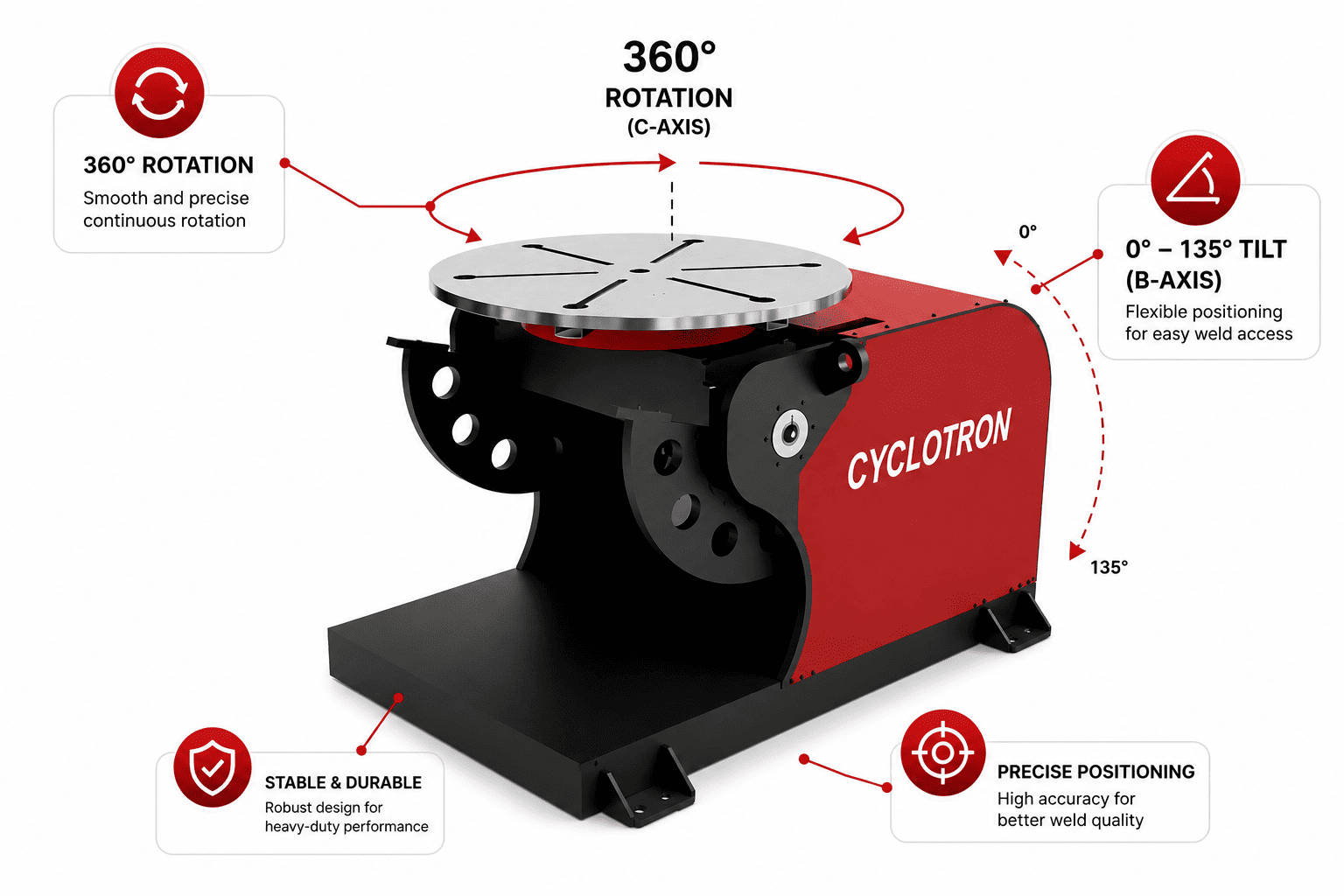
A manual welding positioner is a device that rotates and tilts the workpiece, enabling welders to position pipes, pressure vessels, or structural components for precise manual welding. Operated by the welder via hand controls or a foot pedal, the positioner provides variable-speed rotation and tilting, supporting load capacities from a few hundred kilograms to several tons. Typical features include foot pedal operation for hands-free control, flexible adjustment for different workpiece sizes, and robust construction for industrial applications.
Common uses for manual welding positioners include pipe fabrication, pressure vessel assembly, structural fabrication, and heavy equipment manufacturing, making them essential for improving weld quality and productivity in industrial settings.
What Is a Robotic Welding Positioner ?
A robotic welding positioner is designed to work in tandem with robotic welding cells. These systems automatically synchronize the workpiece’s motion with the robot’s, ensuring precise alignment throughout the welding process. Robotic positioners are often integrated with PLCs and robotic controllers for full automation.
Typical Features:
- Servo-driven axes for high-precision movement
- Automated, programmable rotation and tilting
- Synchronization with welding robots for smooth operation
- Integration with safety systems and automated welding cycles
Manual vs Robotic Welding Positioners: Key Differences
Here’s a side-by-side comparison that highlights the most important distinctions:
| Feature | Manual Welding | Robotic Welding |
|---|---|---|
| Initial Investment | Low | High |
| Flexibility | Excellent | Moderate |
| Suitable for High Mix Production | Yes | Limited |
| Operator Requirement | Skilled Welder | Robot Programmer + Operator |
| Setup Time | Quick | Longer |
| Production Volume | Low to Medium | Medium to High |
| Maintenance Cost | Lower | Higher |
| ROI Period | Faster | Longer |
| Repeatability | Good | Excellent |
| Automation Level | Semi-Automatic | Fully Automated |
This table summarizes why each approach excels in different environments: manual welding positioners for shops that need agility and lower costs, and robotics for high-volume, repeatable jobs.
When a Manual Welding Positioner Is the Better Choice
Manual welding positioners shine in settings where flexibility, quick setup, and adaptability are important. Here’s when they are ideal:
Best For:
Job Shops and Custom Fabricators
If your shop regularly takes on a mix of different projects, faces frequent changes in customer requirements, and often needs to create custom solutions, manual welding positioners are an ideal choice. They let you adapt quickly and efficiently, keeping your workflow smooth even when orders are unique or unpredictable. This flexibility means you can respond to customer requests without getting bogged down in complicated setups or programming.
Heavy Fabrication
Manual welding positioners are especially valuable in heavy fabrication environments, such as those involving pressure vessels, large structural steel assemblies, wind tower components, or mining equipment. Their robust design makes handling big, heavy, or awkwardly shaped parts much safer and easier for your team, improving both productivity and safety on the shop floor.
SMEs and Growing Manufacturers
For small and medium-sized businesses looking to boost productivity without breaking the bank, manual welding positioners offer a practical solution. They’re affordable, quick to set up, and start delivering noticeable improvements right away, helping you grow your operation efficiently and with less financial risk.
When a Robotic Welding Positioner Makes Sense
If your goal is to maximize production and minimize errors, robotic welding positioners are the perfect solution. They streamline your workflow, delivering consistent results and boosting your bottom line.
Best For:
High-Volume Production
When you need to produce thousands of identical parts quickly and accurately, robotic welding positioners keep your operation running smoothly and efficiently—helping you meet high demand and grow your profits.
Automotive Industry
Robotic welding positioners are trusted in the automotive industry for their reliability. They handle complex assemblies with ease, ensuring every part meets strict quality standards and impresses your customers.
Labor Shortages
Struggling to find skilled welders? Robotic welding automation ensures you never miss a deadline. With 24/7 productivity, your business stays competitive—no matter the labor market.
Which Industries Prefer Manual Welding Positioners?
Manual welding positioners are commonly used in industries with large, heavy, or customized components that are difficult to automate. The following sectors benefit most from these positioners:
Pressure Vessel Manufacturing
Pressure vessel manufacturing requires fabricating thick-walled, heavy cylindrical tanks and containers. Manual welding positioners enable precise rotation and positioning, supporting quality and safety.
Structural Fabrication
Structural fabrication assembles beams, columns, and frameworks for buildings and infrastructure. Due to the bulky and varied shapes, manual positioners provide greater control during welding.
Process Equipment Manufacturing
Process equipment such as reactors, mixers, and storage tanks is typically custom-built. Manual welding positioners offer flexible handling and accommodate various sizes and shapes.
Shipbuilding
Shipbuilding involves welding large, irregularly shaped steel sections. Manual positioners help maneuver these sections, enhancing safety and weld quality.
Agricultural Equipment
Manufacturing agricultural machinery requires welding large, heavy components such as frames and bodies. Manual positioners offer essential support and flexibility for efficient welding.
Wind Energy Components
Wind turbine components, including towers and nacelles, are oversized and difficult to automate. Manual welding positioners ensure precise alignment and rotation during fabrication.
Heavy Engineering Fabrication
Heavy engineering projects often involve joining thick, complex metal structures. Manual positioners provide direct control, which is essential for handling unique and cumbersome parts.
Defence Fabrication
Defense fabrication includes specialized vehicles and equipment with diverse welding requirements. Manual positioners provide the adaptability needed to meet strict quality and safety standards.
Cyclotron Welding Positioners from India
Cyclotron manufactures industrial welding positioners from 100 kg to 100 Tons capacity, designed for robotic/manual welding, heavy fabrication, and high-production welding environments.
- Cyclotron manufactures all types of Manual/Robotic welding positioners like 1 axis, 2 axis, 3 axis, Headstock-tailstock, L Type, skyhook, etc
Questions to Ask Before Choosing a Welding Positioner
1. What’s the cheapest welding positioner in India?
Before selecting a welding positioner, clarify your requirements and constraints. Use this checklist to guide your decision-making process:
2. What is your annual production volume?
Higher volumes may justify advanced or automated positioners, while lower volumes could be served by simpler solutions.
3. Are your products standardized or customized?
Standardized products may benefit from dedicated setups, while high customization may require more flexible equipment.
4. What is your budget?
Establish clear cost expectations to narrow down viable options.
5. Do you have robotic programming expertise?
Advanced positioners and automation may require in-house technical skills.
6. What is your expected ROI period?
Determine how quickly you need your investment to pay off, as this can influence equipment selection.
7. Do you need flexibility or maximum automation?
Decide whether your focus is on adaptability across tasks or on achieving the highest possible throughput.
This checklist will help you align your choice of welding positioner with your production and business goals.
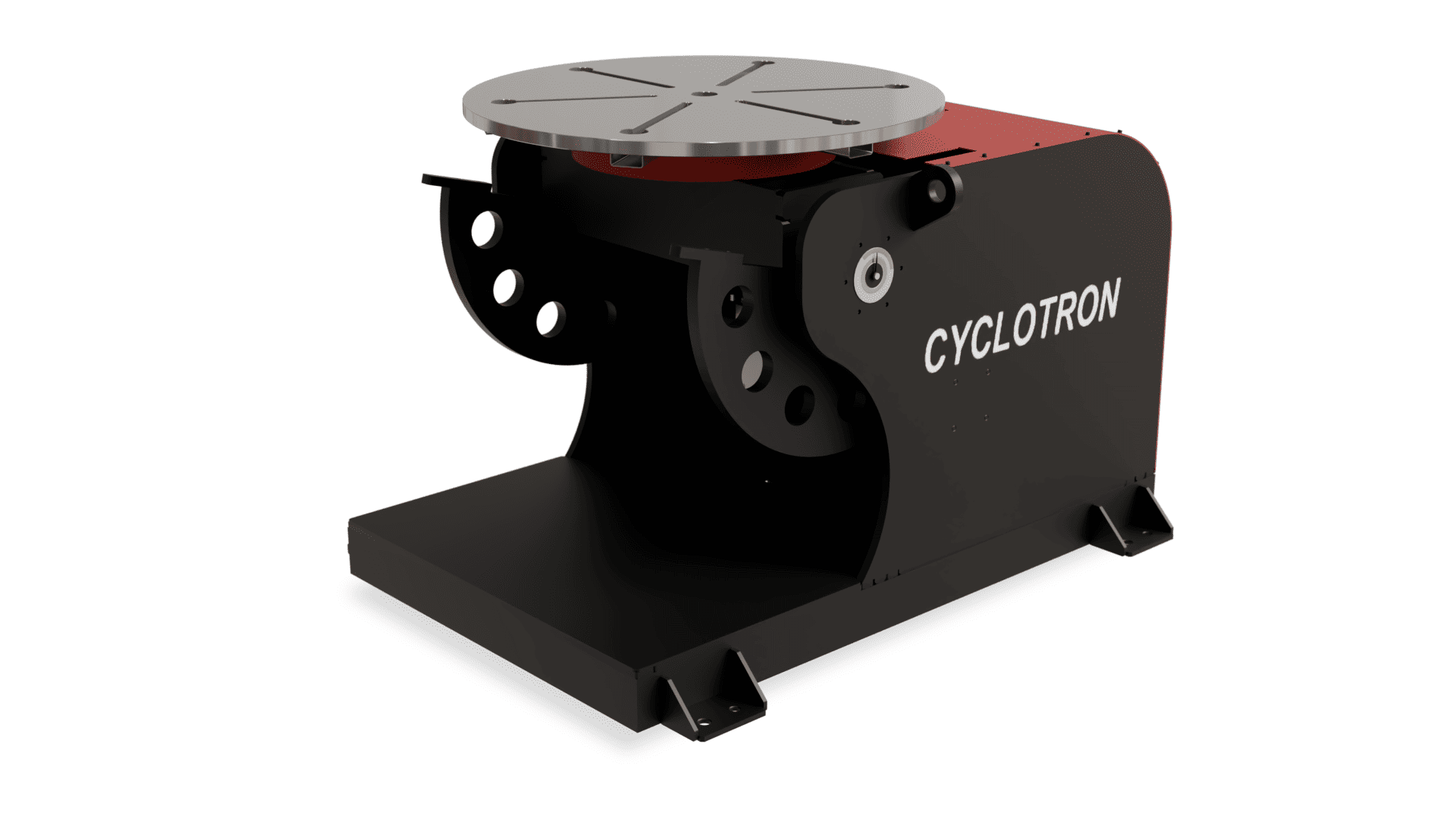
What is a welding positioner?
Its main purpose is to position the job at the best angle for welding, helping operators achieve better weld quality and greater efficiency.
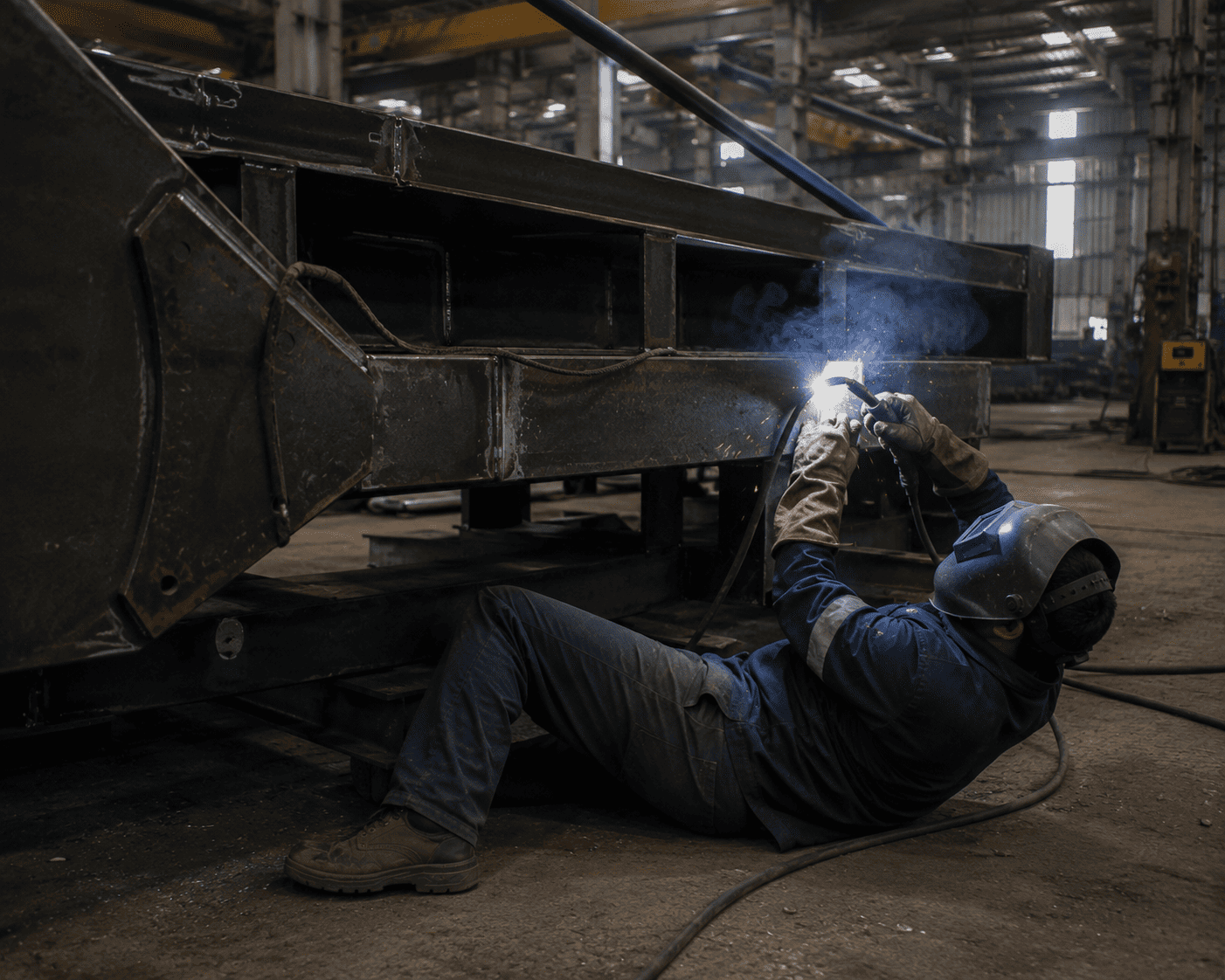
5 Common Welding Problems that a Positioner Can Solve
1. Poor weld quality due to welding positioners. 2. Excessive welder fatique 3. Longer welding cycle times, etc
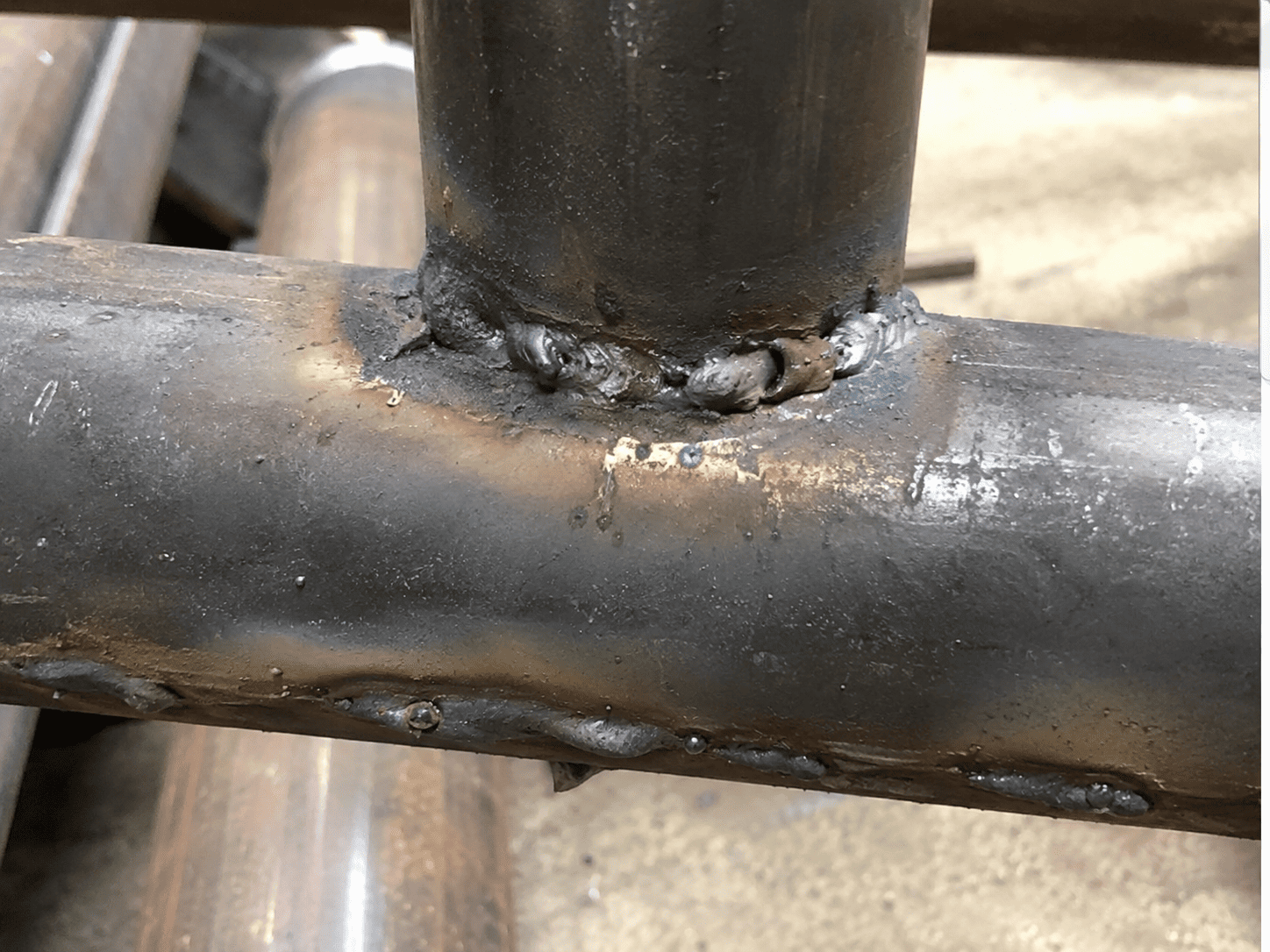
Inconsistent Welds- How a positioner can fix that
Welding positioner can help you with constantly changing weld angles, it can help you with operator fatique, etc
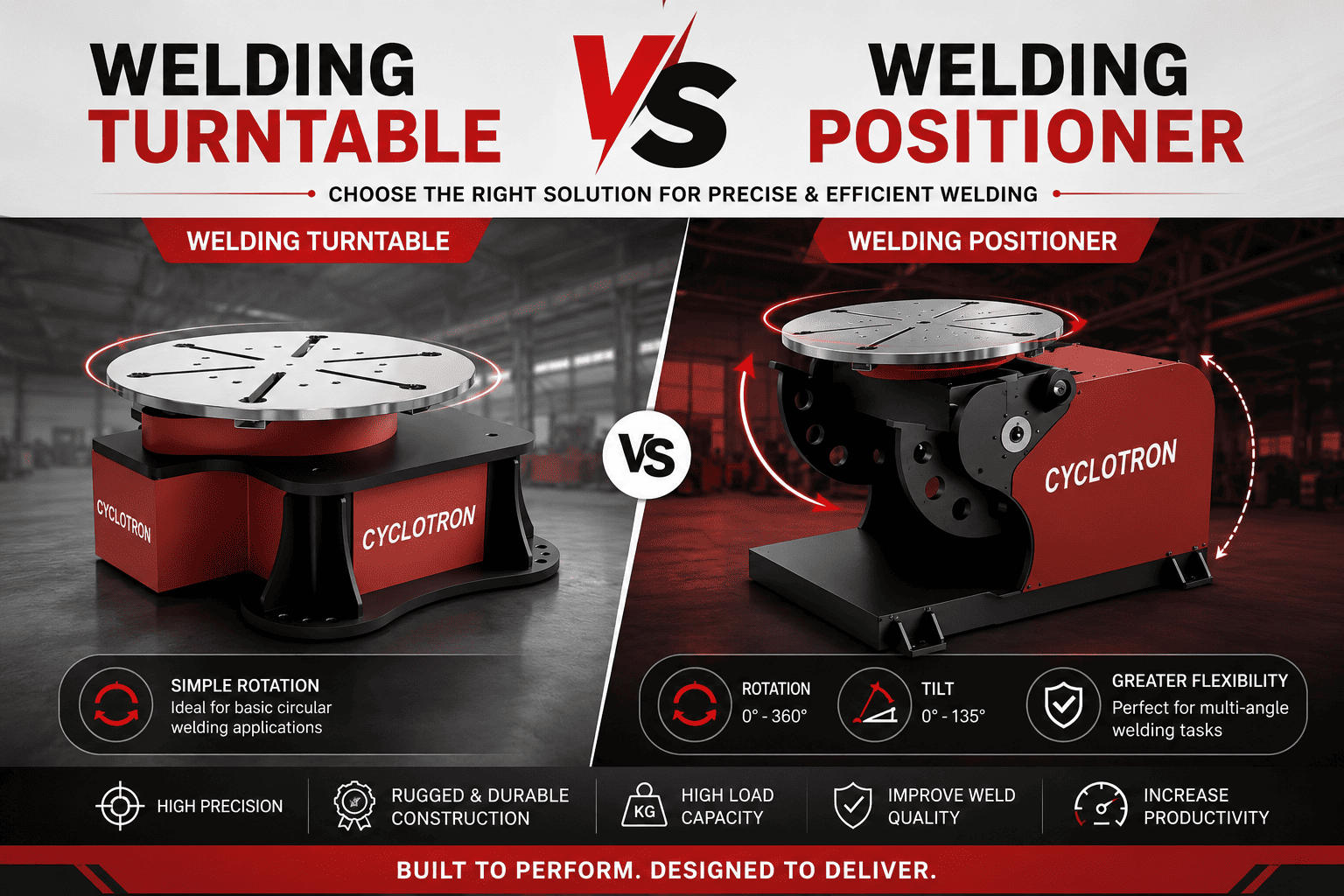
Welding Turntable vs Welding Positioner: What’s the Difference?
A welding turntable provides simple rotation for smooth, consistent welds. A welding positioner can also tilt and angle the workpiece,
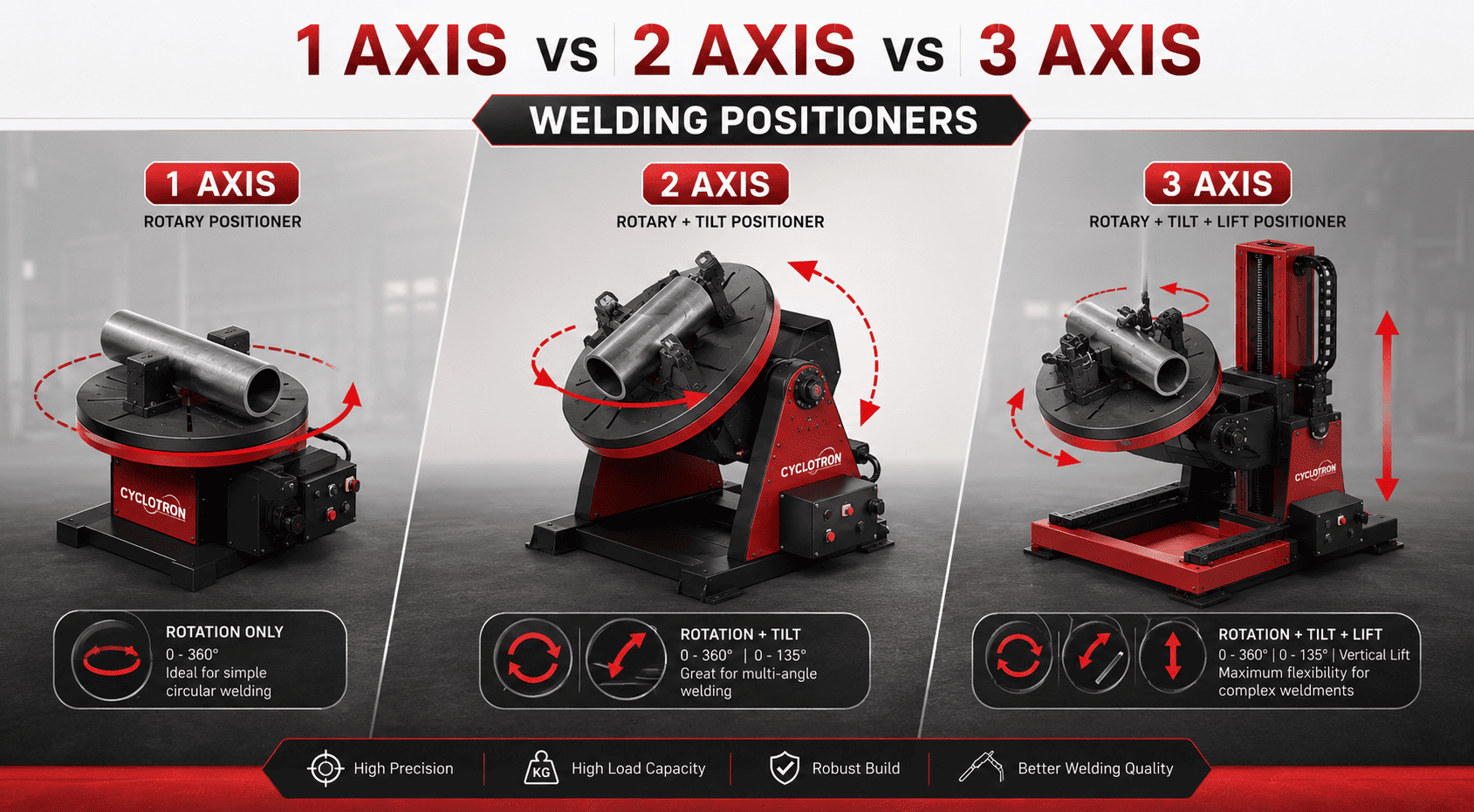
1 Axis vs 2 Axis vs 3 Axis Welding positioners
Compare 1 axis vs 2 axis vs 3 axis welding positioners based on rotation, tilt, flexibility, applications, cost, and automation. Learn which welding positioner is best for your fabrication needs.
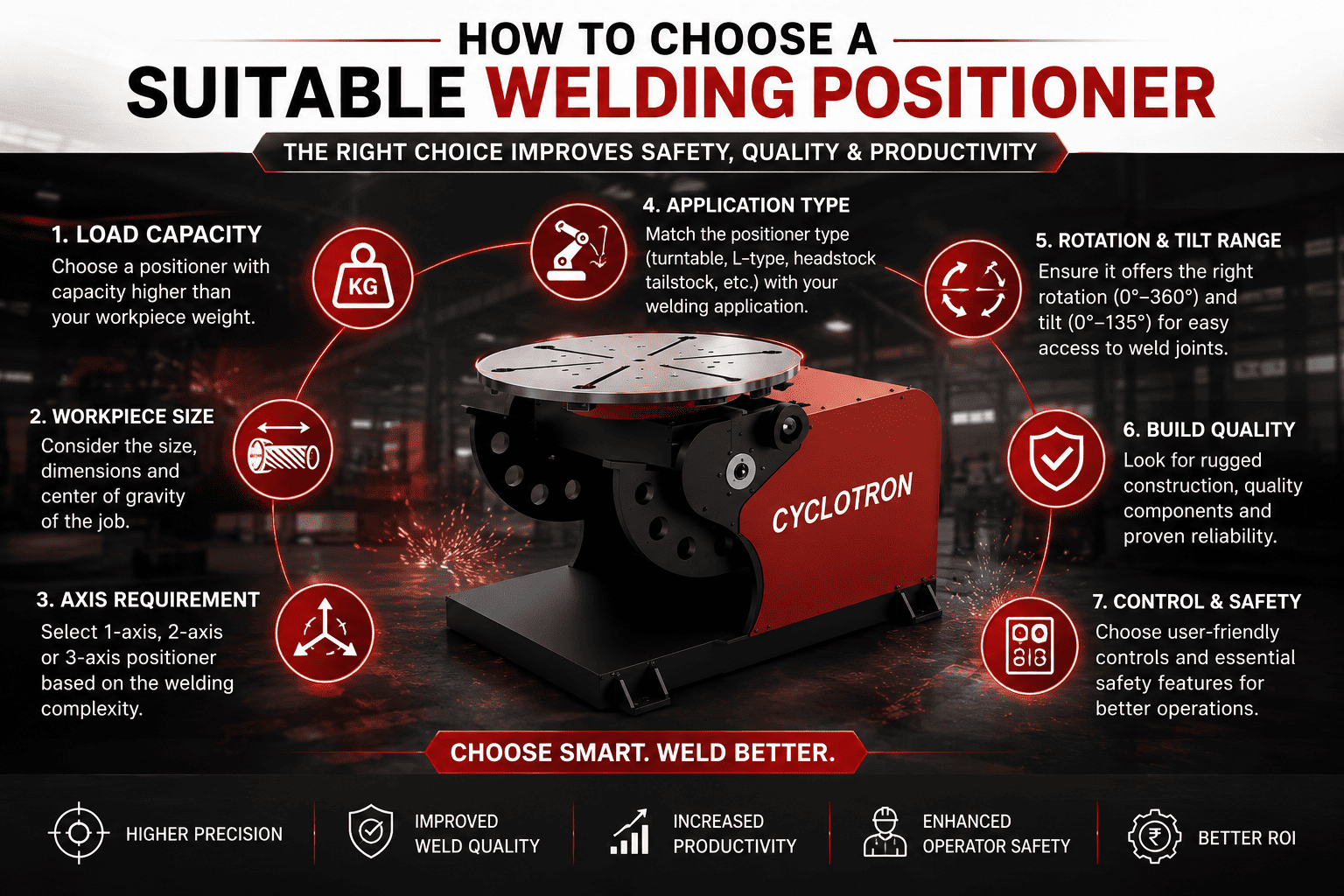
How to select a suitable welding positioner?
Selecting the right welding positioner plays a critical role in the fabrication setup. Welding positioners are designed to handle different load ranges.
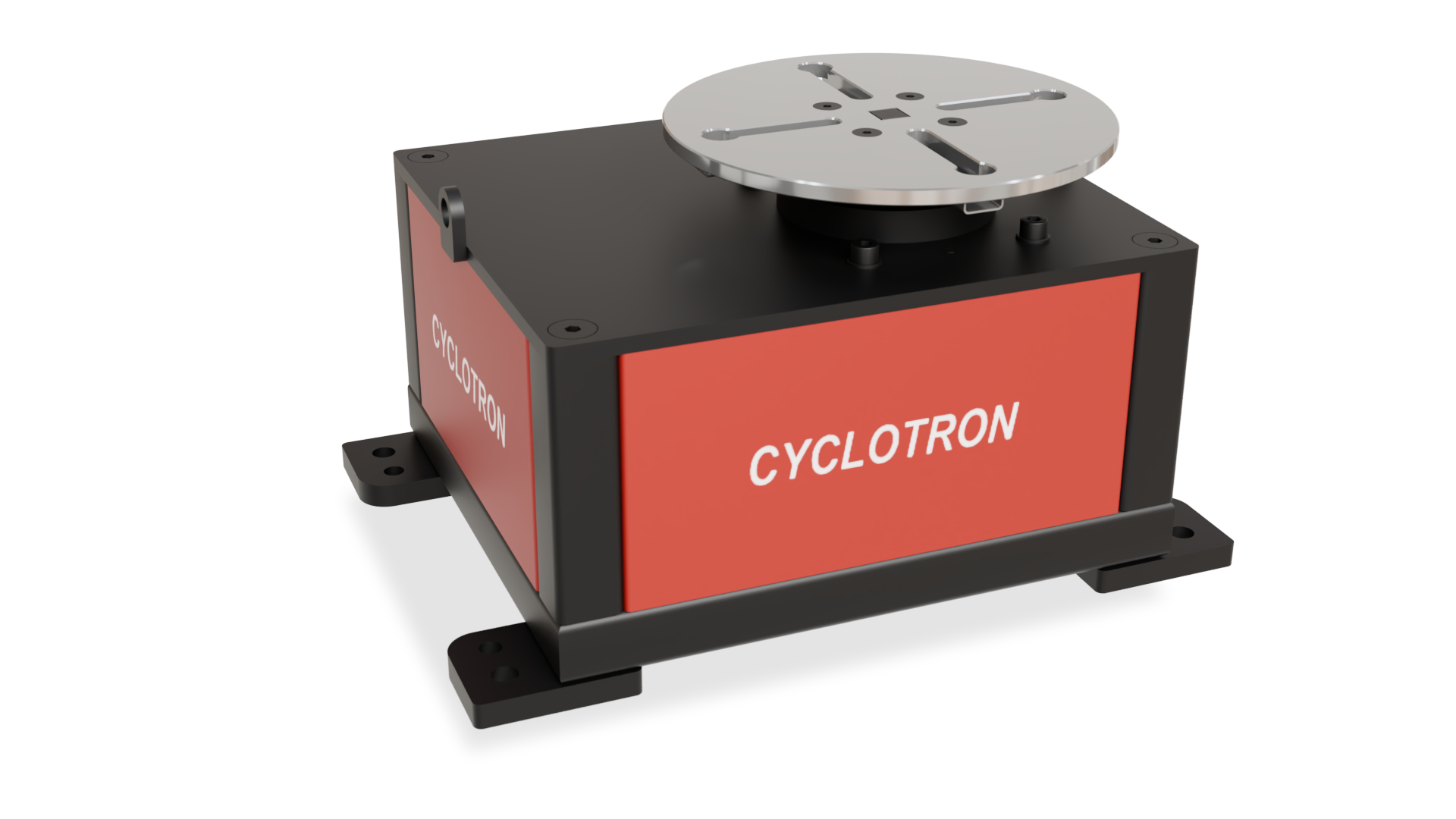
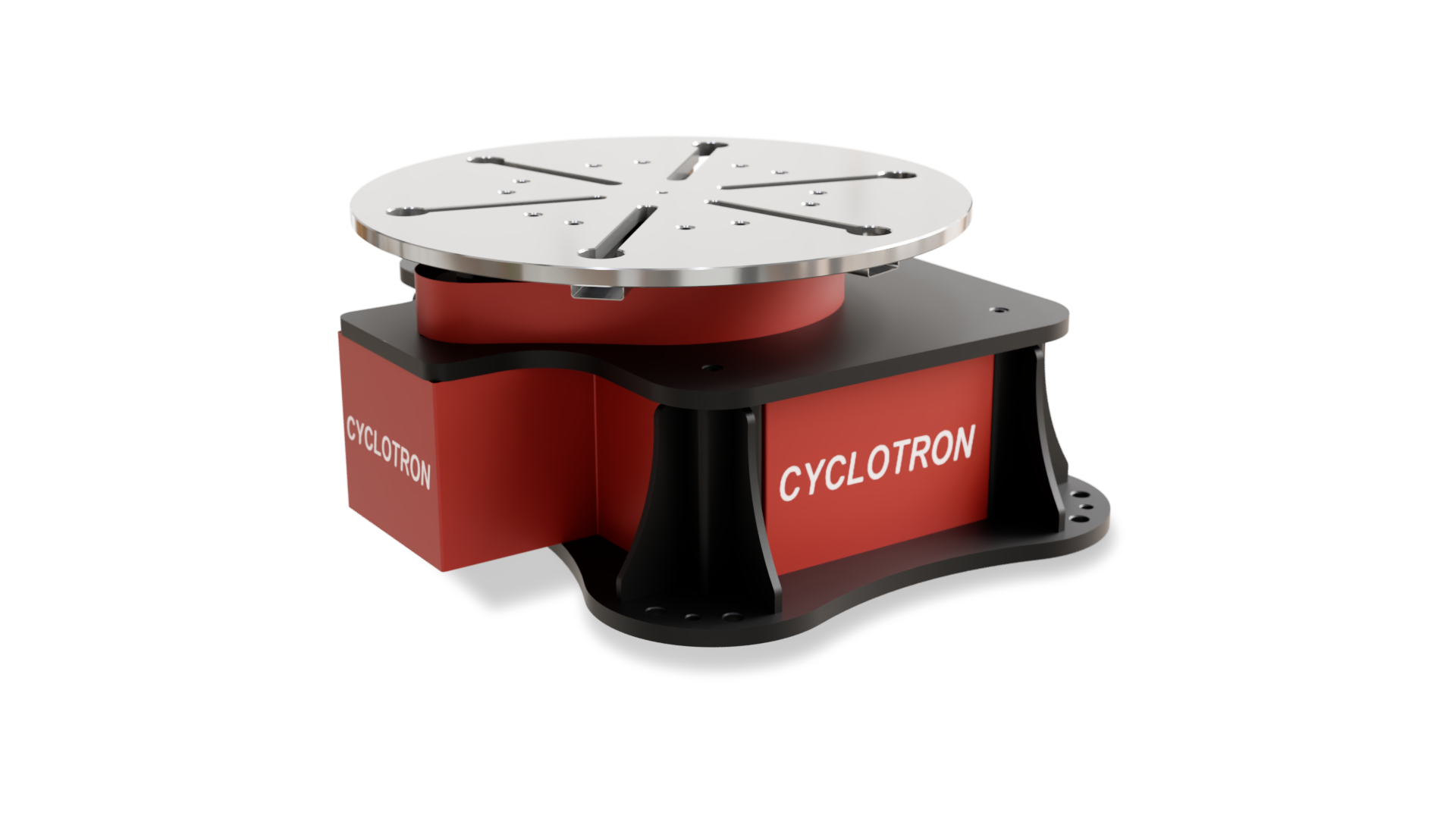
In this blog we will address all the commonly asked questions related to Welding positioners or Cyclotron Welding positioners specifically