Welding Positioner vs Welding Rotator
Understanding the difference
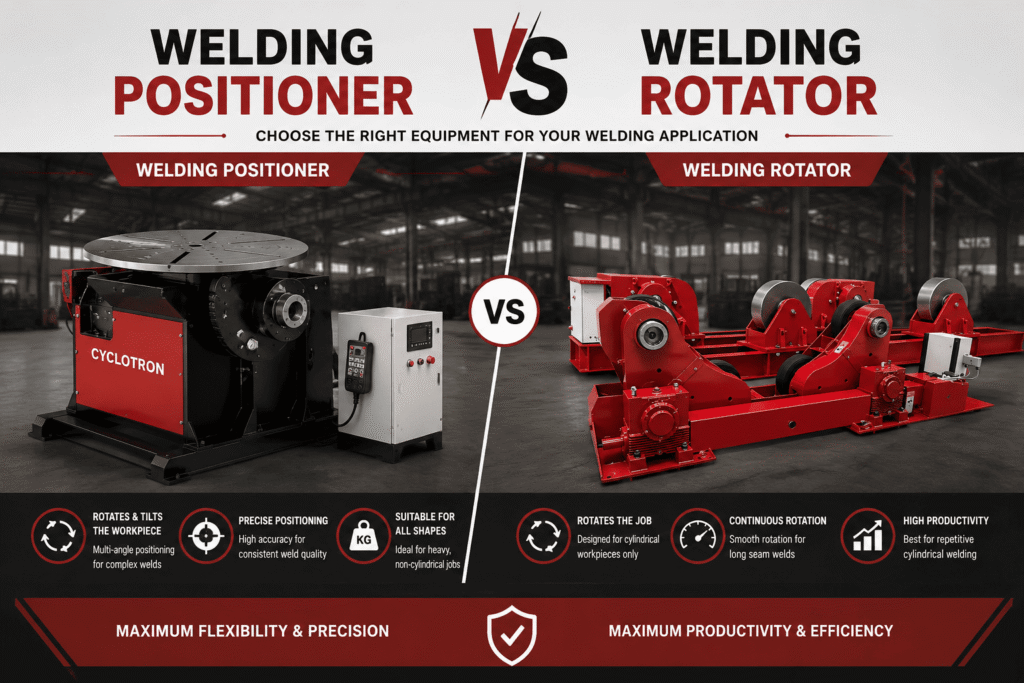
Struggling between a welding positioner vs a welding rotator? Don’t know which is the right fit for your facility? Designed to serve different applications, both mechanical devices play a critical role in welding operations. A welding positioner is a flexible weld tool that offers both tilting & rotating functionality. It allows manufacturers to access workpieces from hard-to-reach angles and corners easily. Welding rotators are designed to rotate cylindrical workpieces and create precise circumferential welds smoothly.
However, selecting the wrong welding automation equipment often leads to low productivity, compromised weld quality, and increased safety risks. So, it becomes essential to understand the key differences between the two systems, their purposes, features, and unique applications.
In this blog, we’ll be discussing the best welding productivity solutions for your fabrication projects, so you can make an informed decision and avoid costly mistakes.
Cyclotron Welding Positioners from India
Cyclotron manufactures industrial welding positioners from 100 kg to 100 Tons capacity, designed for robotic/manual welding, heavy fabrication, and high-production welding environments.
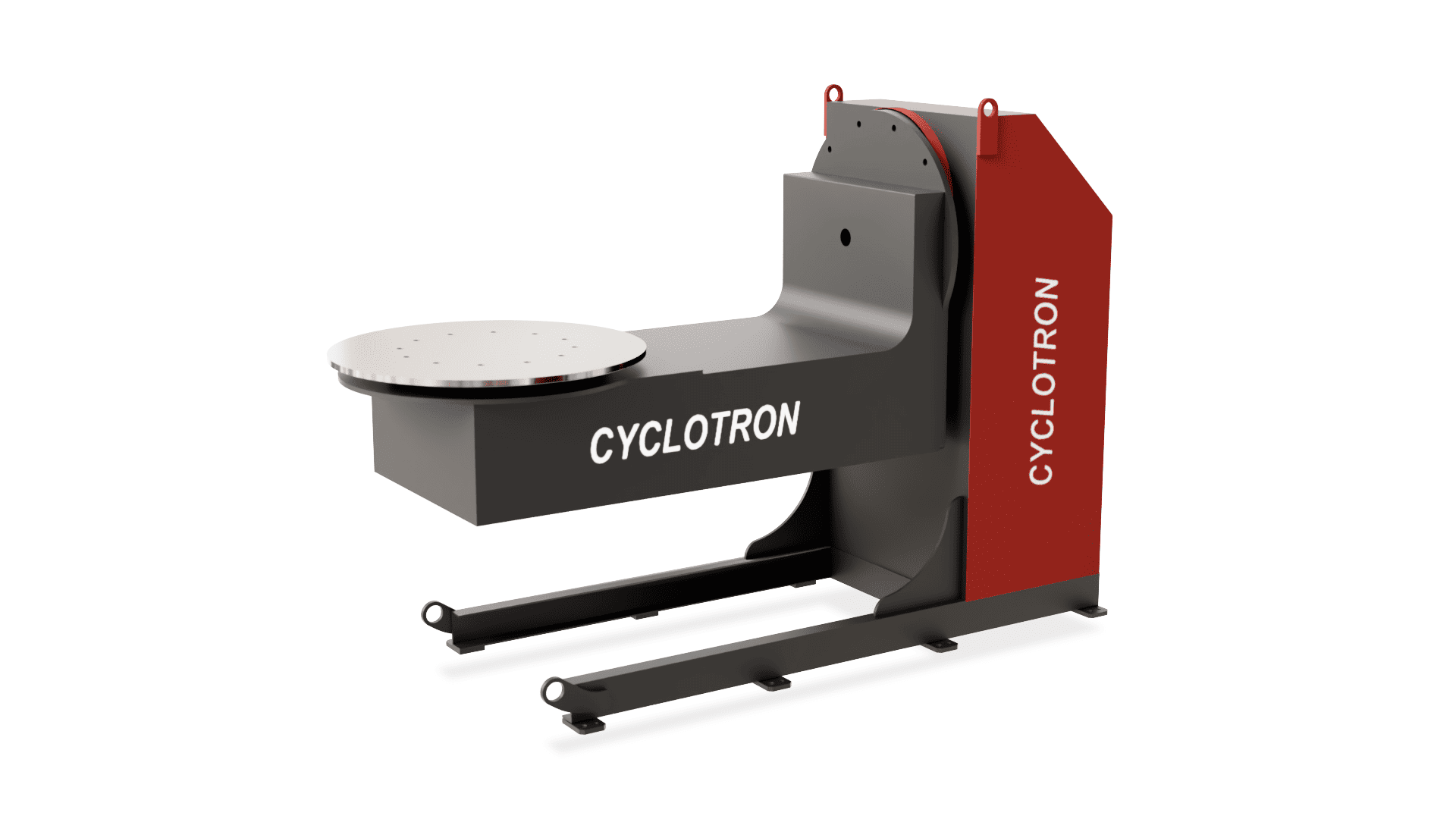
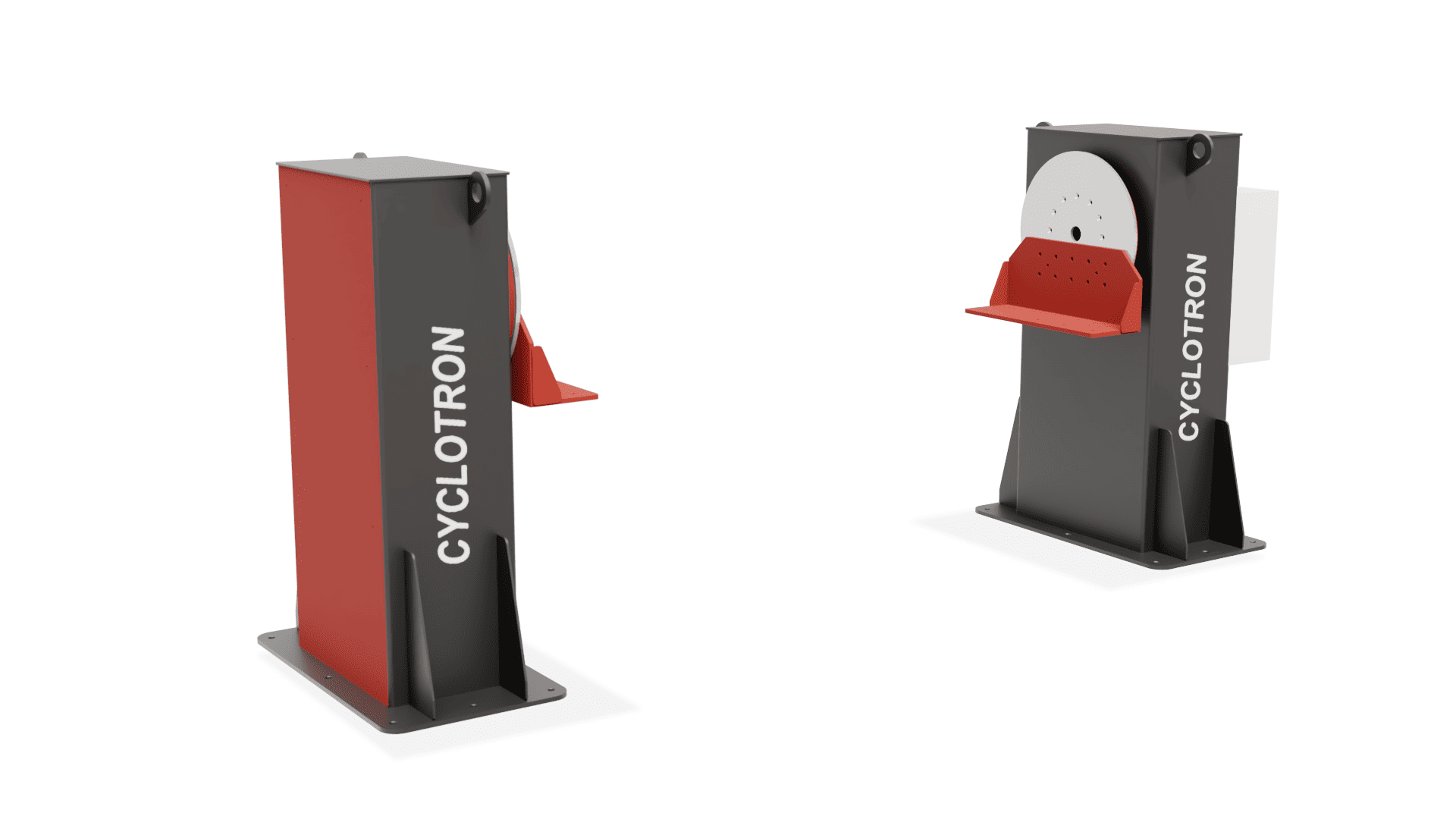
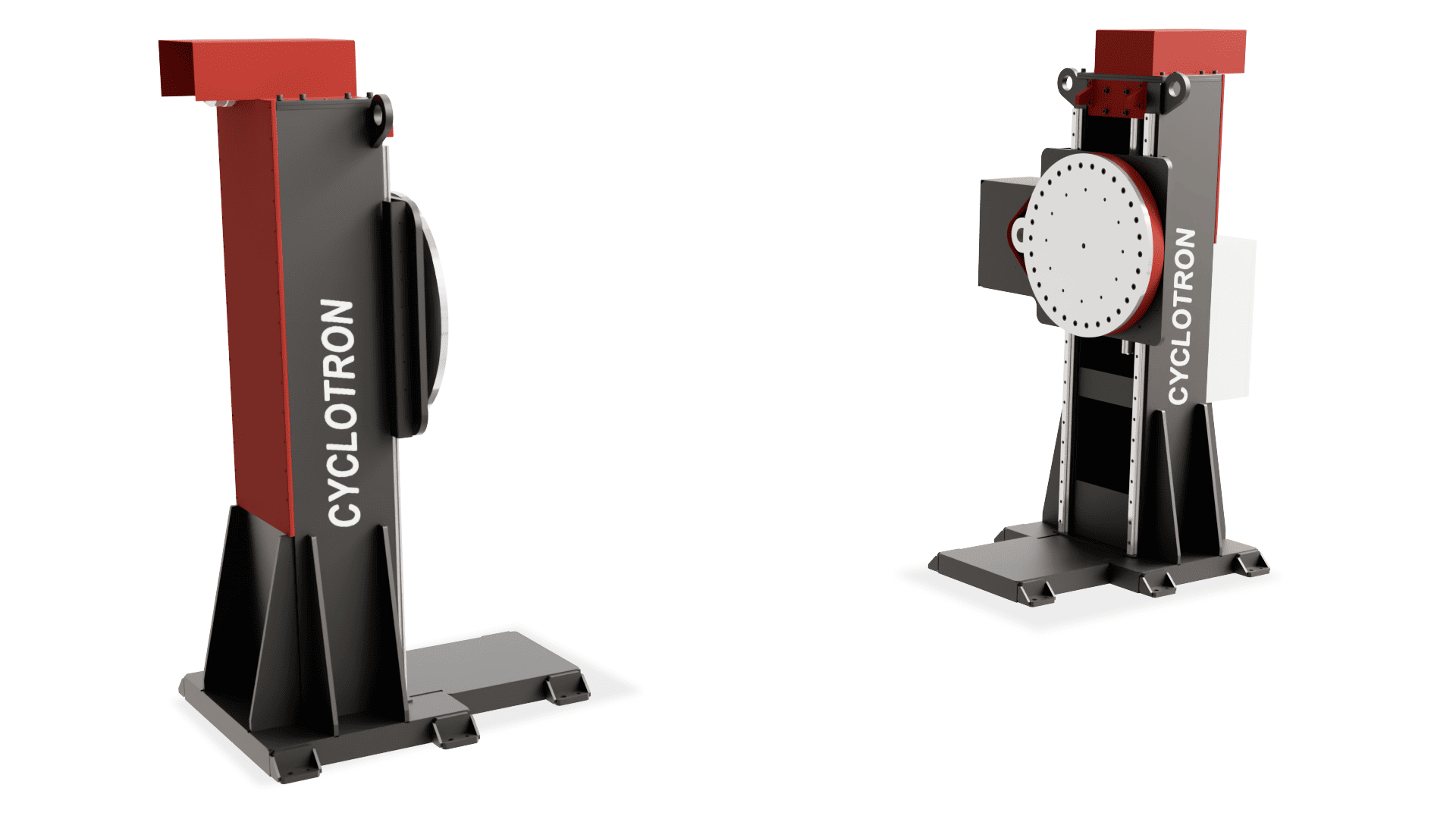
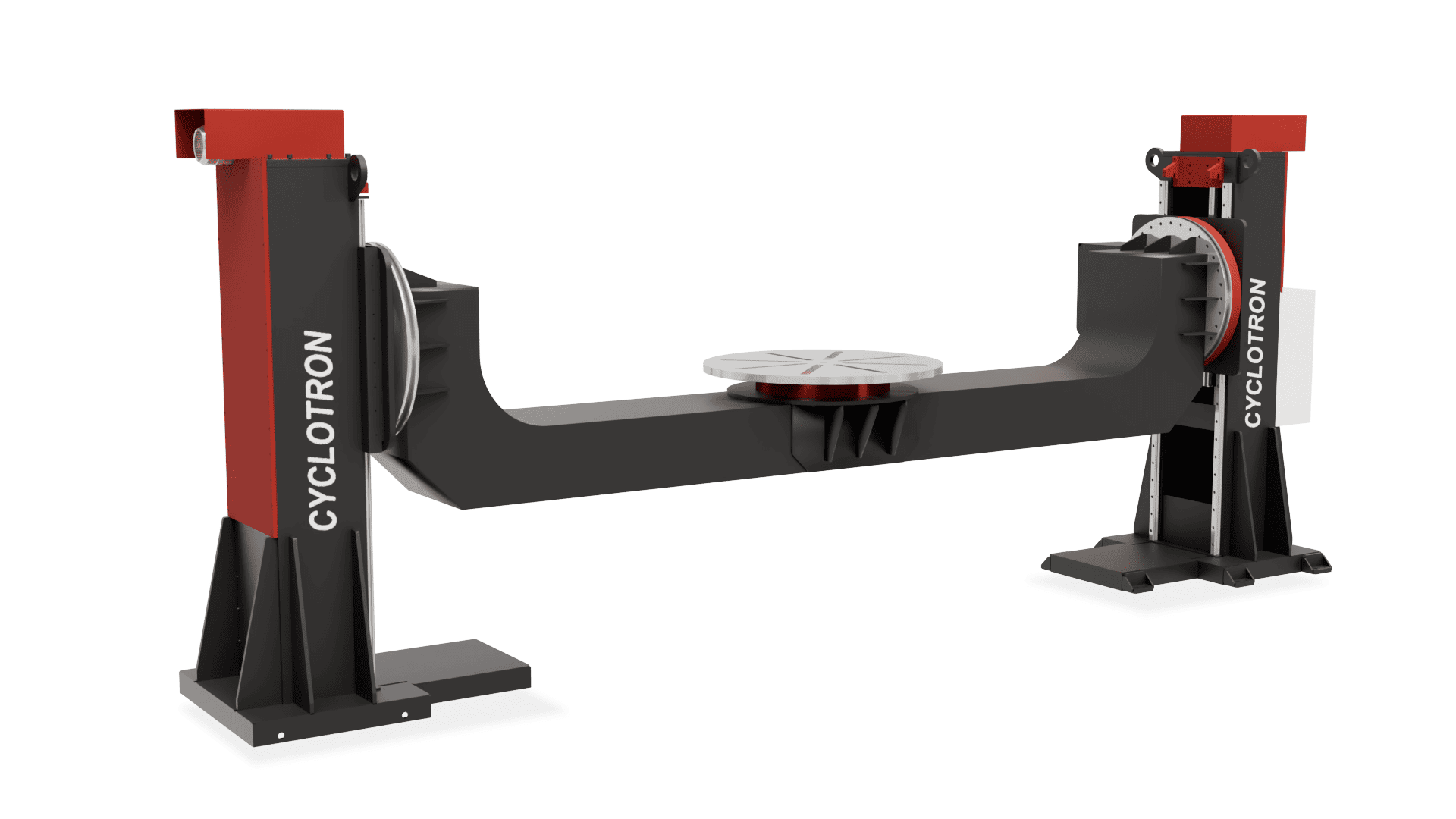
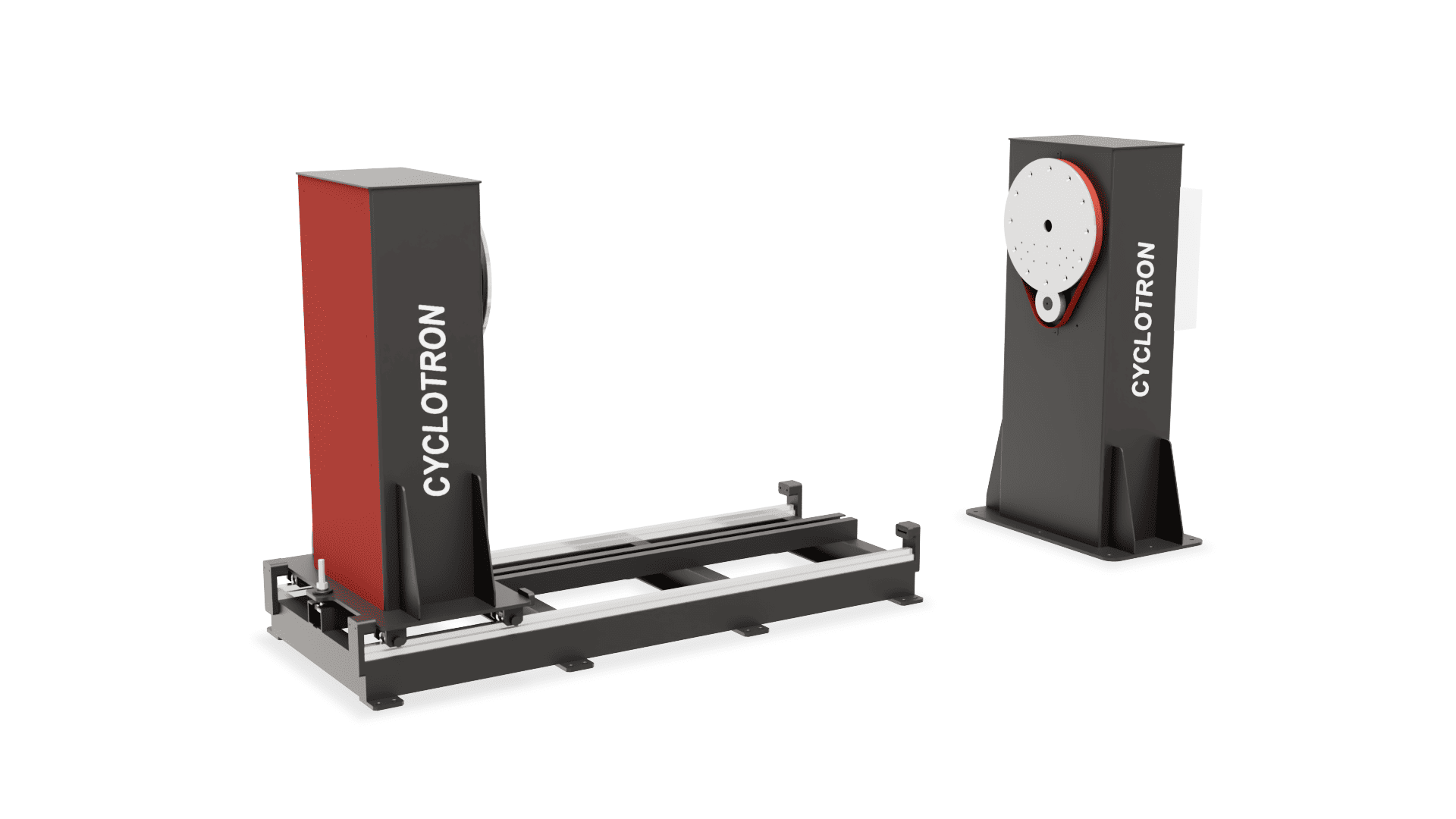
- Cyclotron manufactures all types of Manual/Robotic welding positioners like 1 axis, 2 axis, 3 axis, Headstock-tailstock, L Type, skyhook, etc
Why Proper Workpiece Positioning Matters in Welding?
It’s the workpiece positioning that decides weld consistency, quality, and production efficiency. Even certified, expert welders often struggle with awkward welding positions when handling the workpiece. So, whether you’re fabricating cylindrical or structural assemblies, or small or heavy components, proper workpiece positioning plays a crucial role in efficiently managing fabrication operations.
Not only does proper positioning reduce operation fatigue, but it also eliminates welding safety risks. An industrial welding positioner is recommended for manufacturers to create a controlled welding environment, reducing rework and improving productivity. Welders can work comfortably for extended hours without any safety risks. In addition, better positioning helps welders maintain visibility, achieve optimal weld angles, maintain consistent speed, and improve torch control.
What Is a Welding Positioner?
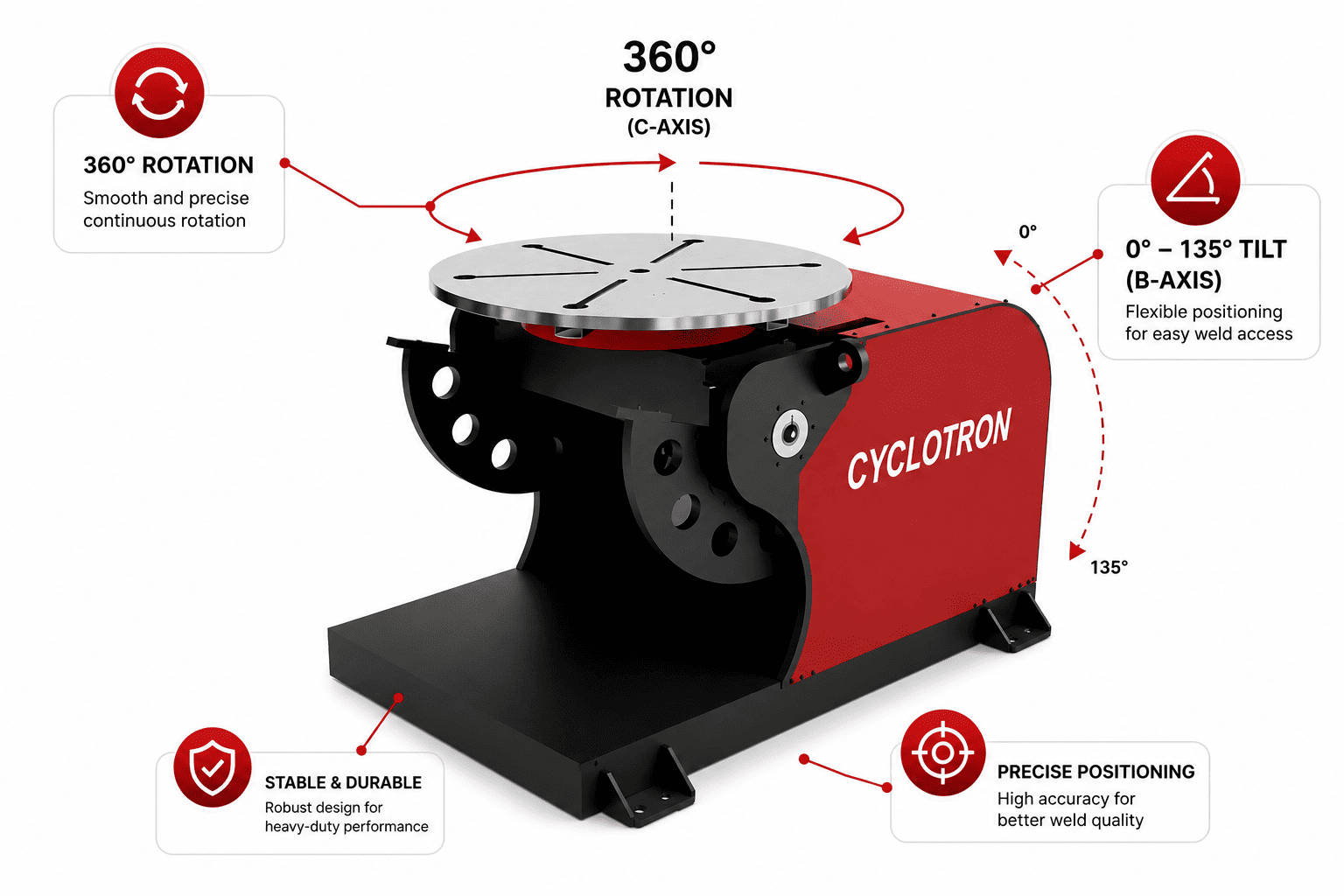
Best suited for complex fabrications, welding positioners are a perfect combination of tilt and rotation. This mechanical device gives complete access to handle the workpiece in optimal positions. Typically, welding positioners feature:
- 360° rotation
- Tilting capability (commonly 0–135°)
- Variable speed control
- Foot pedal or remote operation
It’s an ideal welding tool for repair facilities struggling with irregular components, such as nozzles, structural members, and flanges, at hard-to-reach angles. Here are some of the most common types of industrial welding positioners.
What Is a Welding Rotator?
A welding rotator, or, better said, a workpiece turner, ensures steady yet consistent rotation of large cylindrical objects (pipes, vessels, and tanks) on a horizontal axis. Unlike welding positioners, the job of a pipe-welding rotator is quite simple yet critical, especially when manufacturing similar cylindrical items.
Welding Positioner vs Welding Rotator: Key Differences
Before you invest in any welding equipment, take a quick overview of the table below, which highlights the distinct features of the welding positioner and the welding rotator.
When Should You Use a Welding Positioner?
A welding positioner is best suited for complex, irregular, and non-cylindrical workpieces that require both tilt and rotation. Precise control over varying rotation and tilt angles not only improves weld quality but also enhances ergonomics. Here are some of the most popular applications for welding positioners.
- Pipe-to-Flange Assemblies
- Rotate and tilt for optimal weld access.
- Structural Fabrication (Welding Frames, Skids, and Machine Bases)
- Welding Pressure Vessel Components (Nozzles, End Caps, Attachments)
- Agricultural Equipment Manufacturing
- Automotive & Aerospace components
Real-World Examples
Pressure Vessel Manufacturing
Here, the welding positioner handles welding of small components, including nozzles, flanges, end caps, and attachments. On the other hand, the welding rotator rotates the vessel shell to achieve a perfect circumferential seam weld.
Pipe Fabrication Shop
Such fabrication projects require welding rotators to turn long pipe sections, whereas positioners are used to weld elbows, fittings, and other parts that require precise orientation.
The key benefit of using the combined welding equipment is that it streamlines workflow and maximizes productivity across the entire manufacturing process.
Which Solution Offers Better Flexibility?
When it comes to flexibility, welding positioners are and will always be the preferred choice, capable of rotating and tilting workpieces as required. The best part about using this critical tool is that it can easily accommodate irregularly shaped objects. For mixed fabrication environments, welding positioners can efficiently handle multi-sided fabrication projects and repetitive production of pipe & vessel workpieces.
Which Equipment Delivers Better Productivity?
The truth is that neither the welding rotator nor the positioner is more productive. The choice depends entirely on the type of workpiece and fabrication work being performed. However, selecting the right welding tool can contribute to overall productivity gains, increased throughput, and better weld angles and quality.
Questions to Ask Before Choosing
How to know if you are choosing the right welding tool for your fabrication work? Always ensure to opt for welding productivity solutions that improve weld quality and operational efficiency. Below is a checklist of questions you should ask yourself to avoid costly mistakes.
- Is your workpiece cylindrical or irregular?
- Do you need tilt & rotation, or just rotation?
- What’s the capacity of the welding equipment?
- Will you manufacture different product types?
- What type of welding will you need?
- What’s your production volume?
- Does your equipment need to be compatible with future automation?
Conclusion
Still wrestling with the decision? Both the welding positioners and welding rotators have their own benefits for different fabrication facilities. Welding positioners are best suited for structural fabrication projects that require precise yet frequent repositioning and orientation changes. In contrast, welding rotators improve productivity in the fabrication of cylindrical workpieces. The best solution is not to pick one over the other, but rather to analyze & verify whether one system, or a combination of both, would improve workflow, efficiency, and productivity.
Not sure whether you need a welding positioner or a welding rotator? Contact Cyclotron’s engineering team for expert guidance and application-specific recommendations.
Conclusion
Still wrestling with the decision? Both the welding positioners and welding rotators have their own benefits for different fabrication facilities. Welding positioners are best suited for structural fabrication projects that require precise yet frequent repositioning and orientation changes. In contrast, welding rotators improve productivity in the fabrication of cylindrical workpieces. The best solution is not to pick one over the other, but rather to analyze & verify whether one system, or a combination of both, would improve workflow, efficiency, and productivity.
Not sure whether you need a welding positioner or a welding rotator? Contact Cyclotron’s engineering team for expert guidance and application-specific recommendations.
Frequently Asked Questions
1. What’s the difference between a welding positioner and a welding rotator?
A welding positioner uses clamps to hold a portion of the workpiece, allowing manufacturers to tilt & rotate it as needed. Whereas a welding rotator uses powered rollers to firmly rotate the workpiece around the axis.
2. Can a welding rotator replace a welding positioner?
No, welding rotators are designed specifically to rotate cylindrical objects such as pipes, vessels, and tanks. These welding tools don’t support tilting.
3. Which is better for pipe-to-flange welding?
Due to high flexibility and productivity, welding positioners are ideal for pipe-to-flange welding.
4. Do pressure vessel manufacturers use both systems?
Yes, pressure vessel manufacturers integrate positioners and rotators to operate the fabrication process efficiently. Positioners are used to weld small components, while rotators handle heavy cylindrical shells.
Cyclotron Welding Positioners from India
Cyclotron manufactures industrial welding positioners from 100 kg to 100 Tons capacity, designed for robotic/manual welding, heavy fabrication, and high-production welding environments.
- Cyclotron manufactures all types of Manual/Robotic welding positioners like 1 axis, 2 axis, 3 axis, Headstock-tailstock, L Type, skyhook, etc
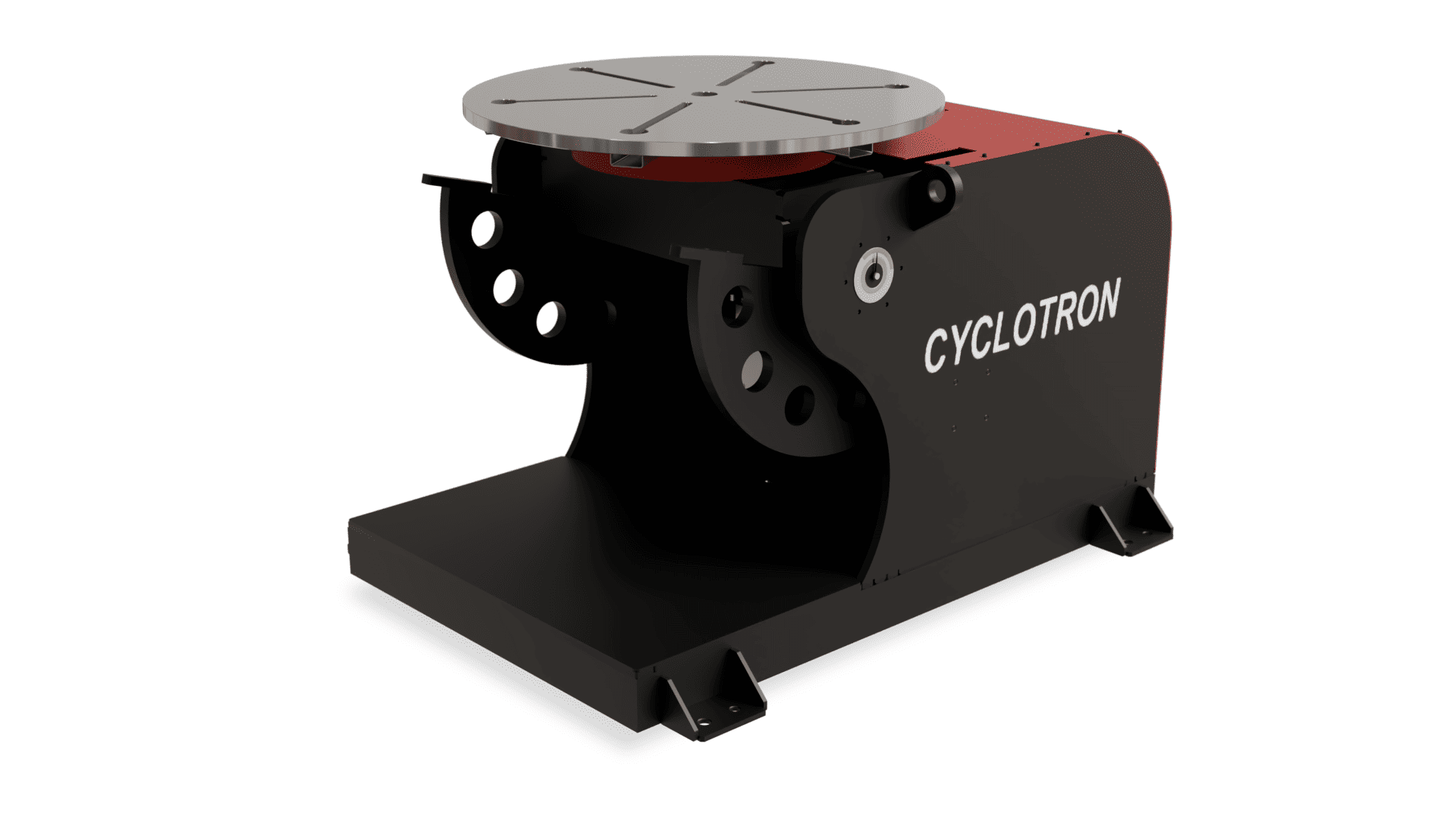
What is a welding positioner?
Its main purpose is to position the job at the best angle for welding, helping operators achieve better weld quality and greater efficiency.
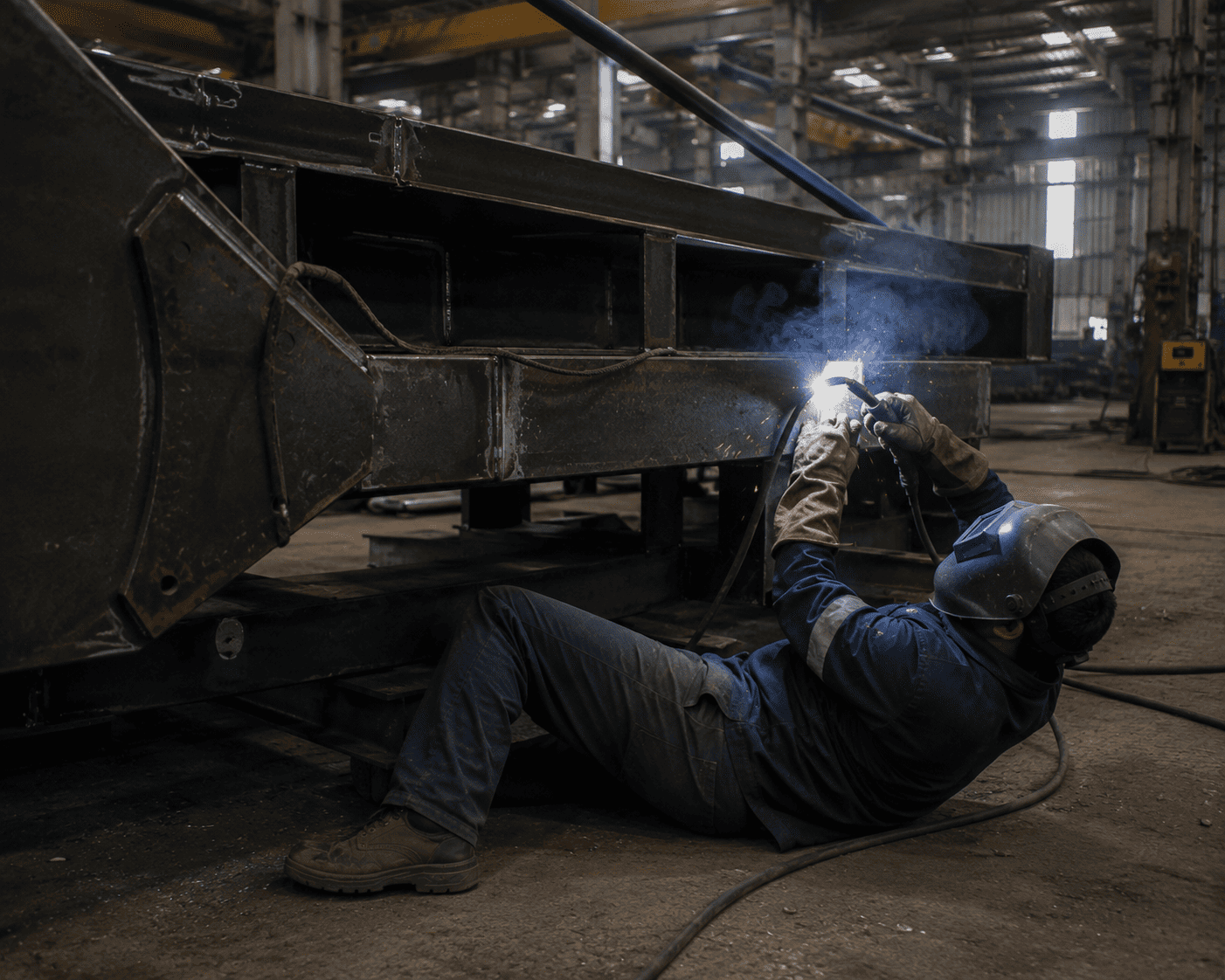
5 Common Welding Problems that a Positioner Can Solve
1. Poor weld quality due to welding positioners. 2. Excessive welder fatique 3. Longer welding cycle times, etc
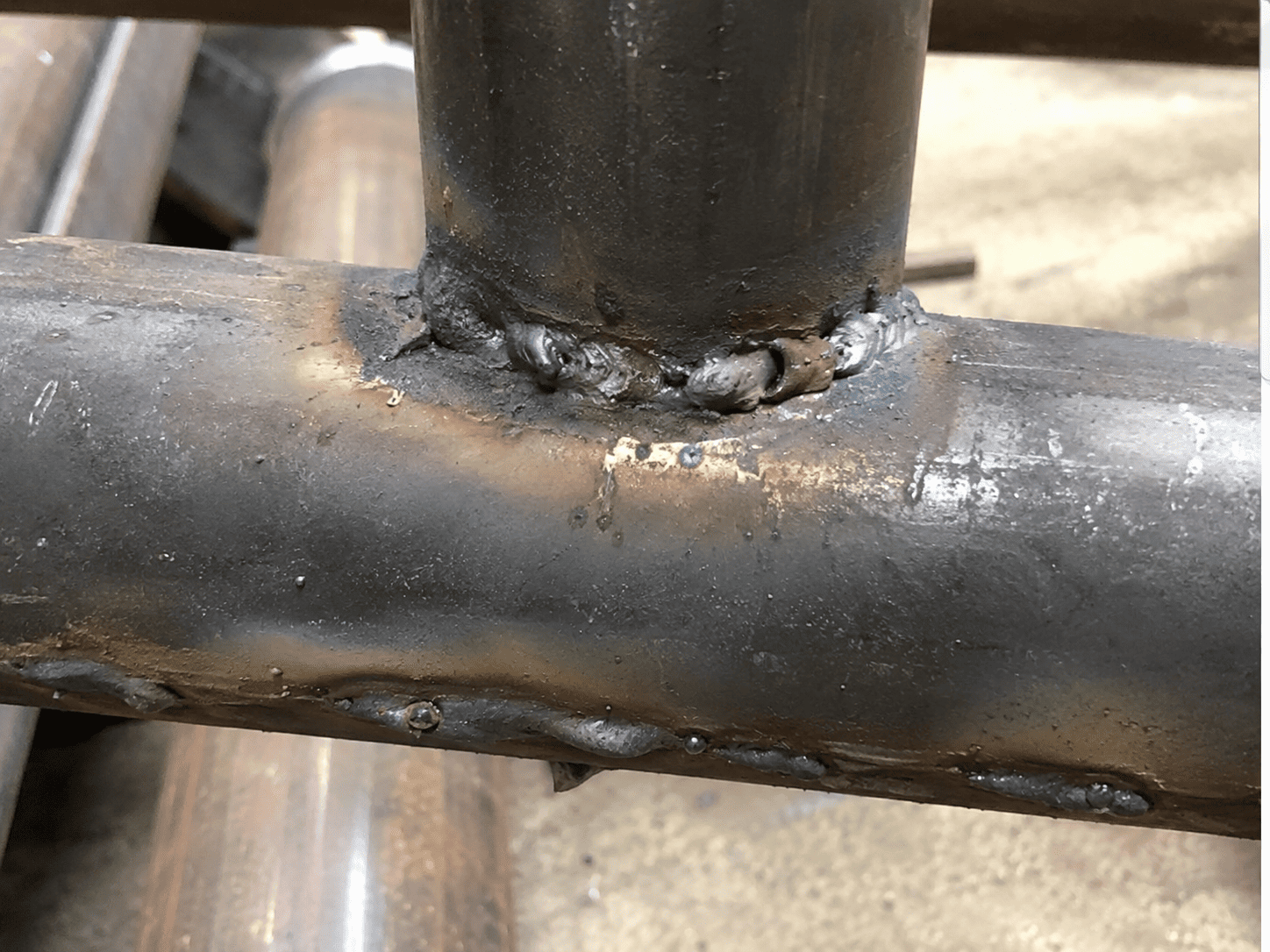
Inconsistent Welds- How a positioner can fix that
Welding positioner can help you with constantly changing weld angles, it can help you with operator fatique, etc
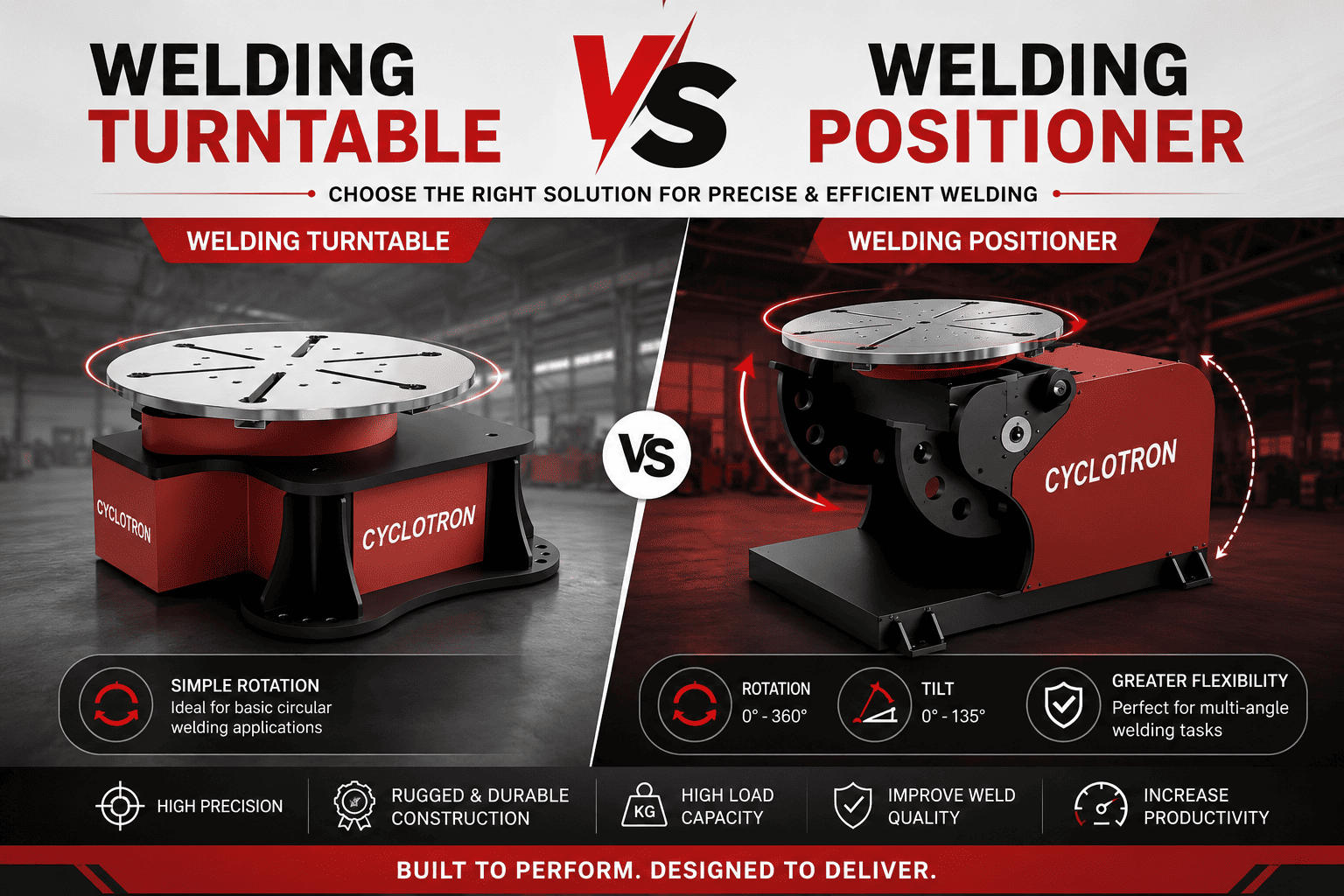
Welding Turntable vs Welding Positioner: What’s the Difference?
A welding turntable provides simple rotation for smooth, consistent welds. A welding positioner can also tilt and angle the workpiece,
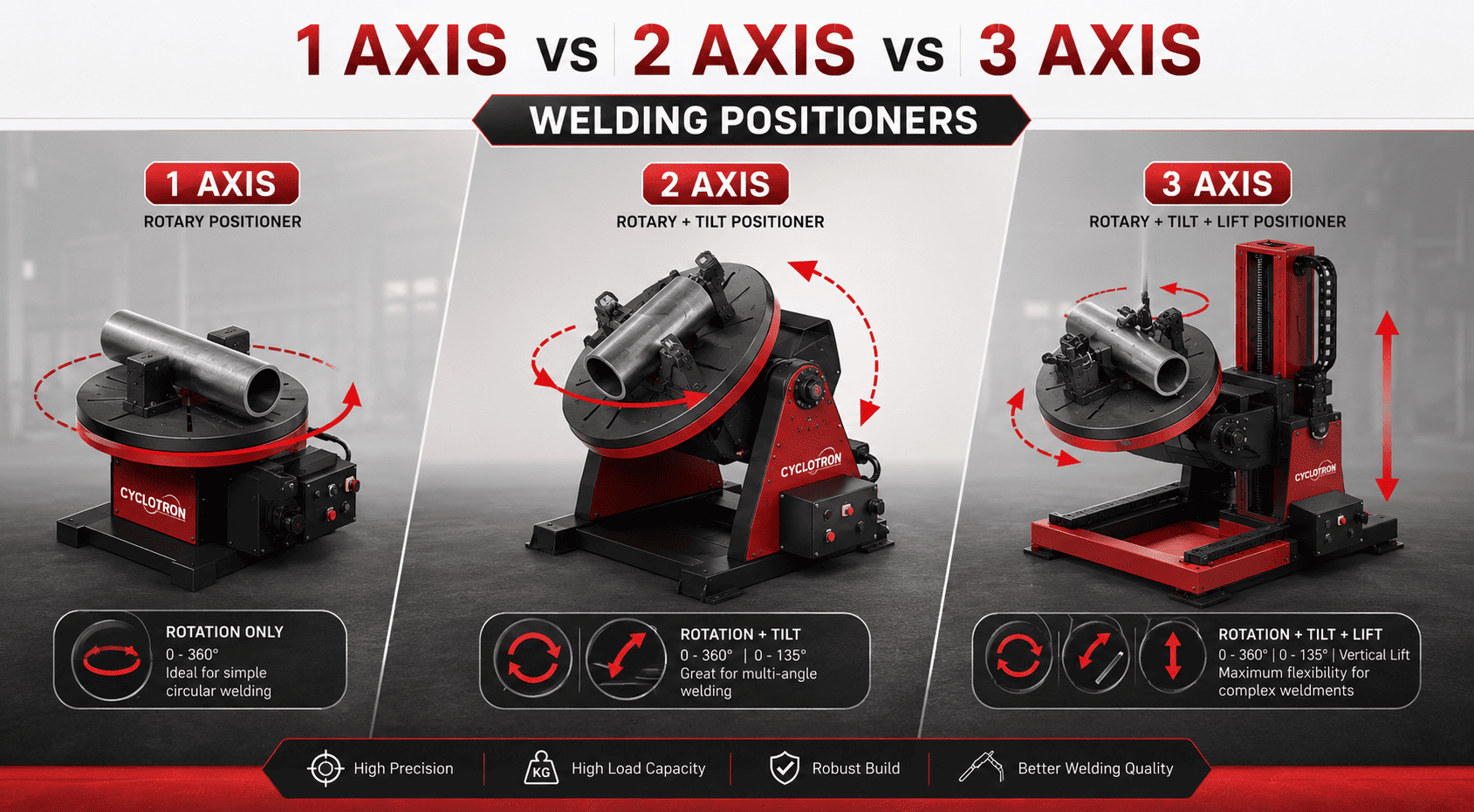
1 Axis vs 2 Axis vs 3 Axis Welding positioners
Compare 1 axis vs 2 axis vs 3 axis welding positioners based on rotation, tilt, flexibility, applications, cost, and automation. Learn which welding positioner is best for your fabrication needs.
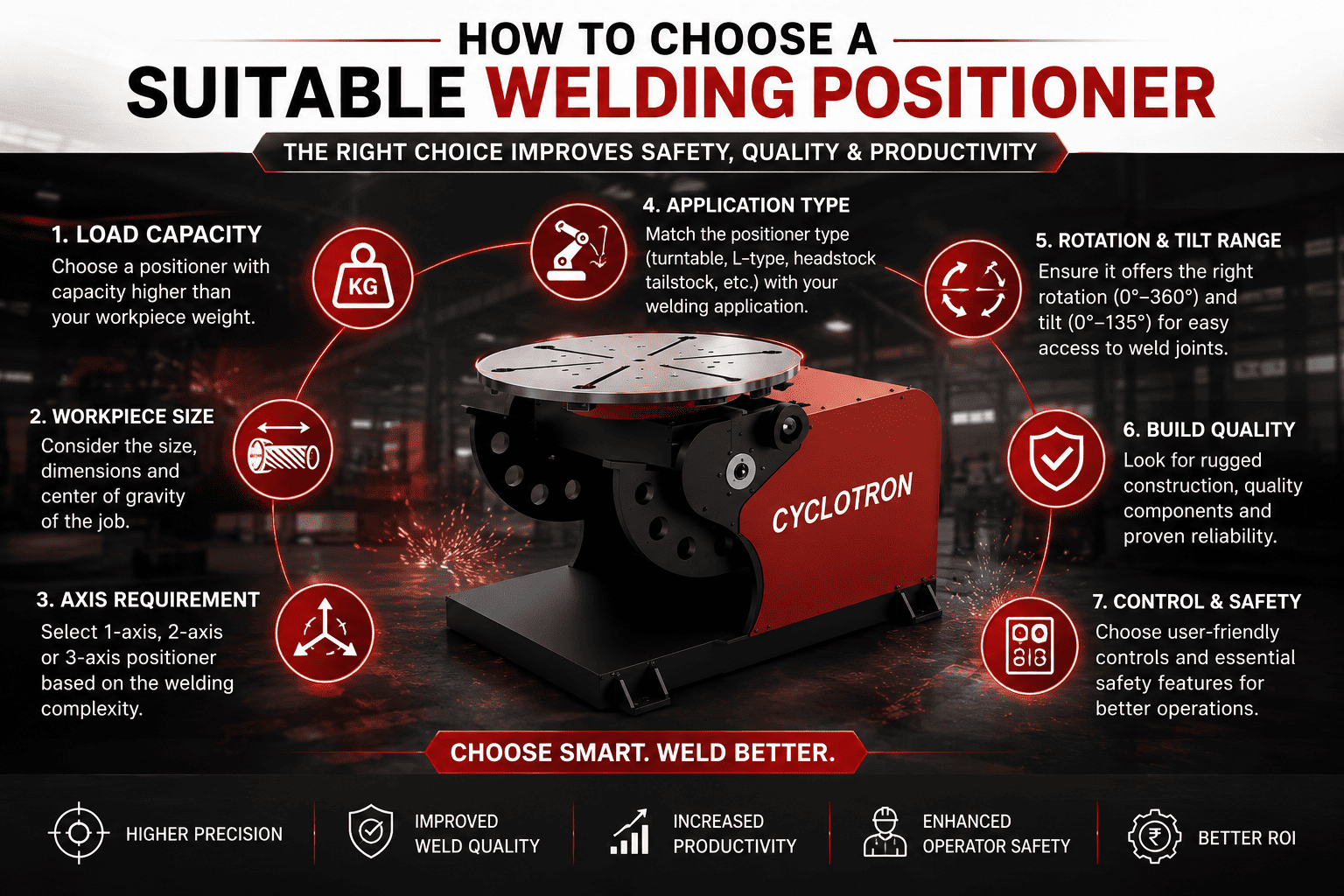
How to select a suitable welding positioner?
Selecting the right welding positioner plays a critical role in the fabrication setup. Welding positioners are designed to handle different load ranges.
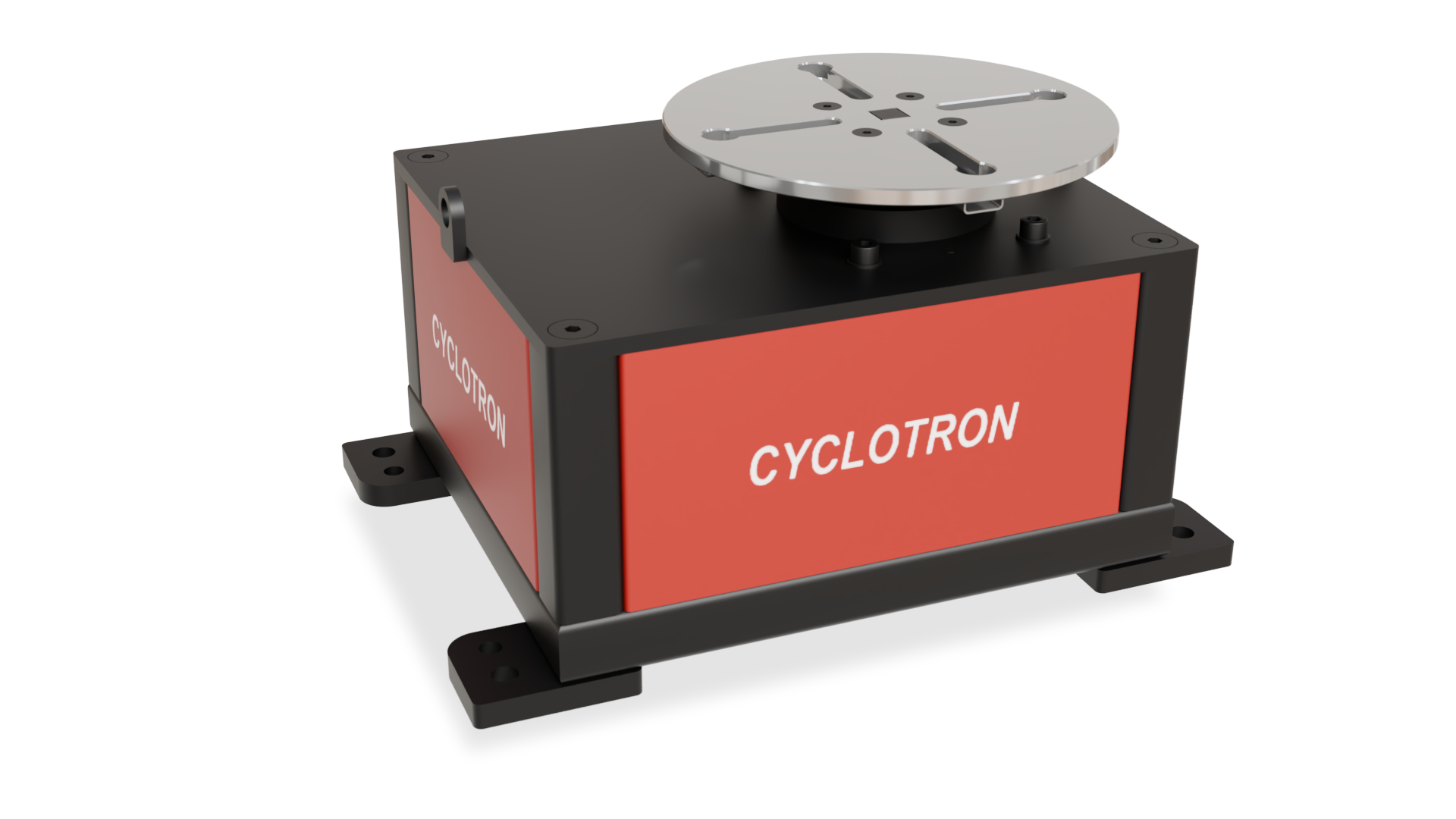
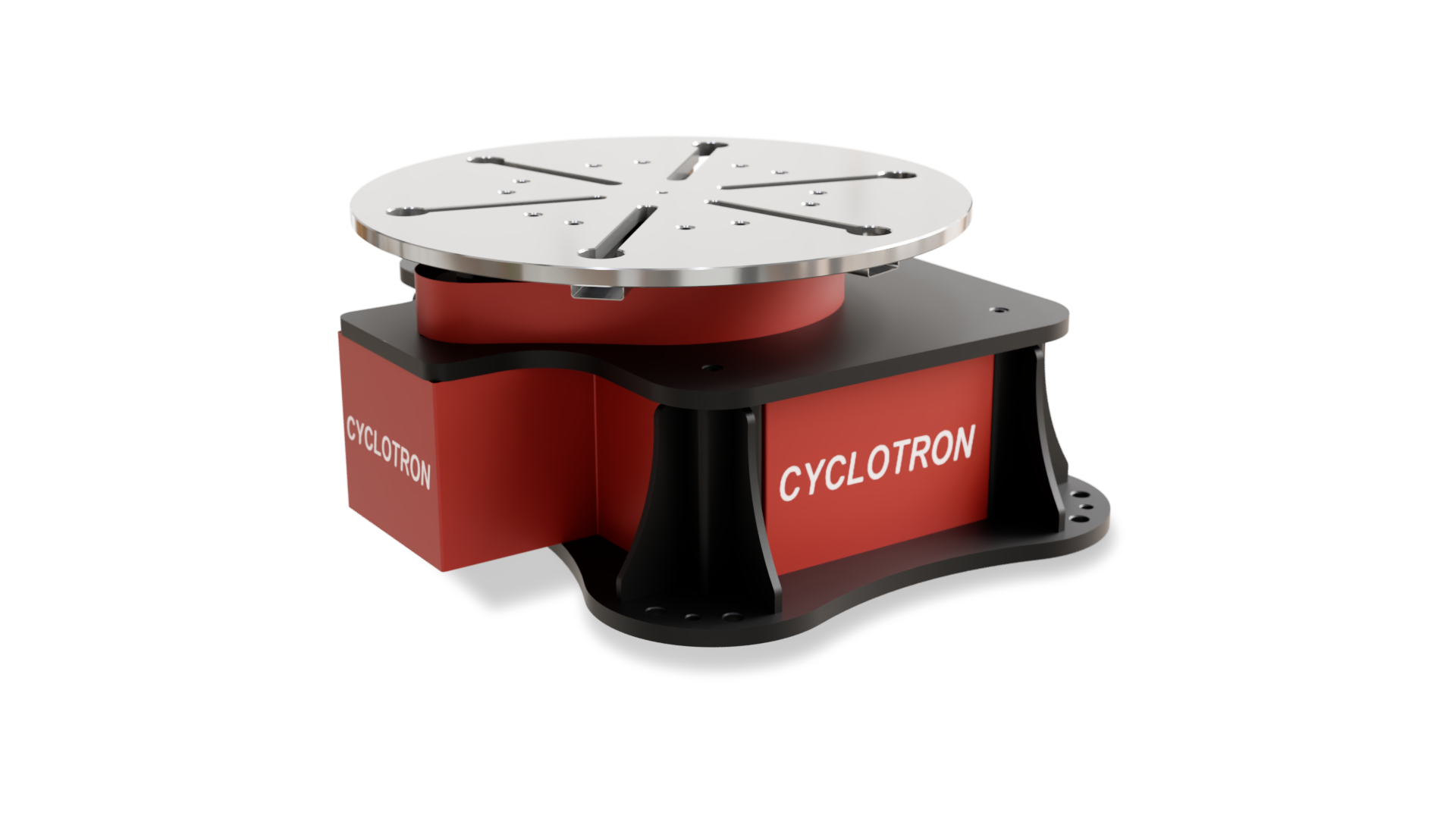
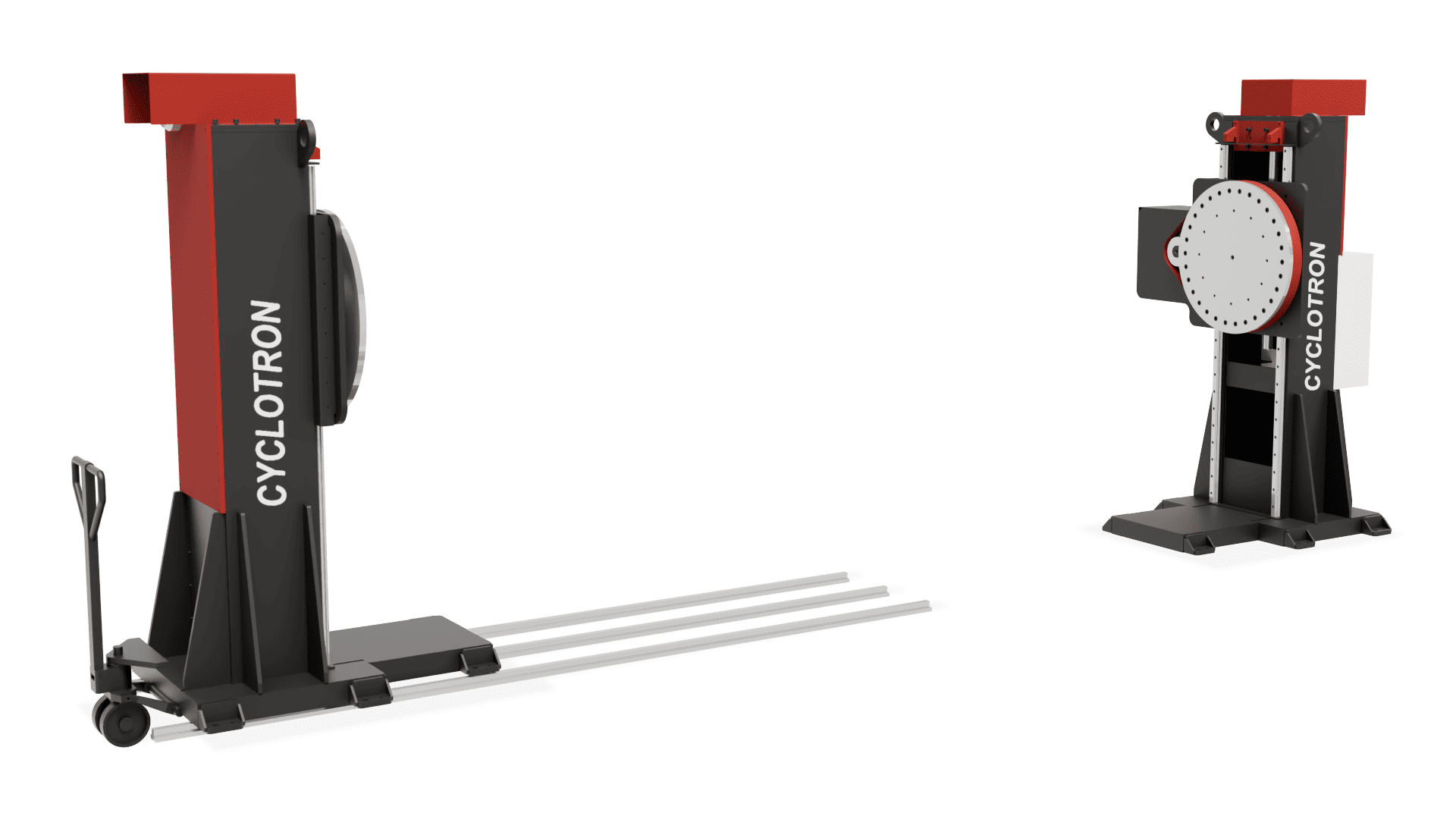
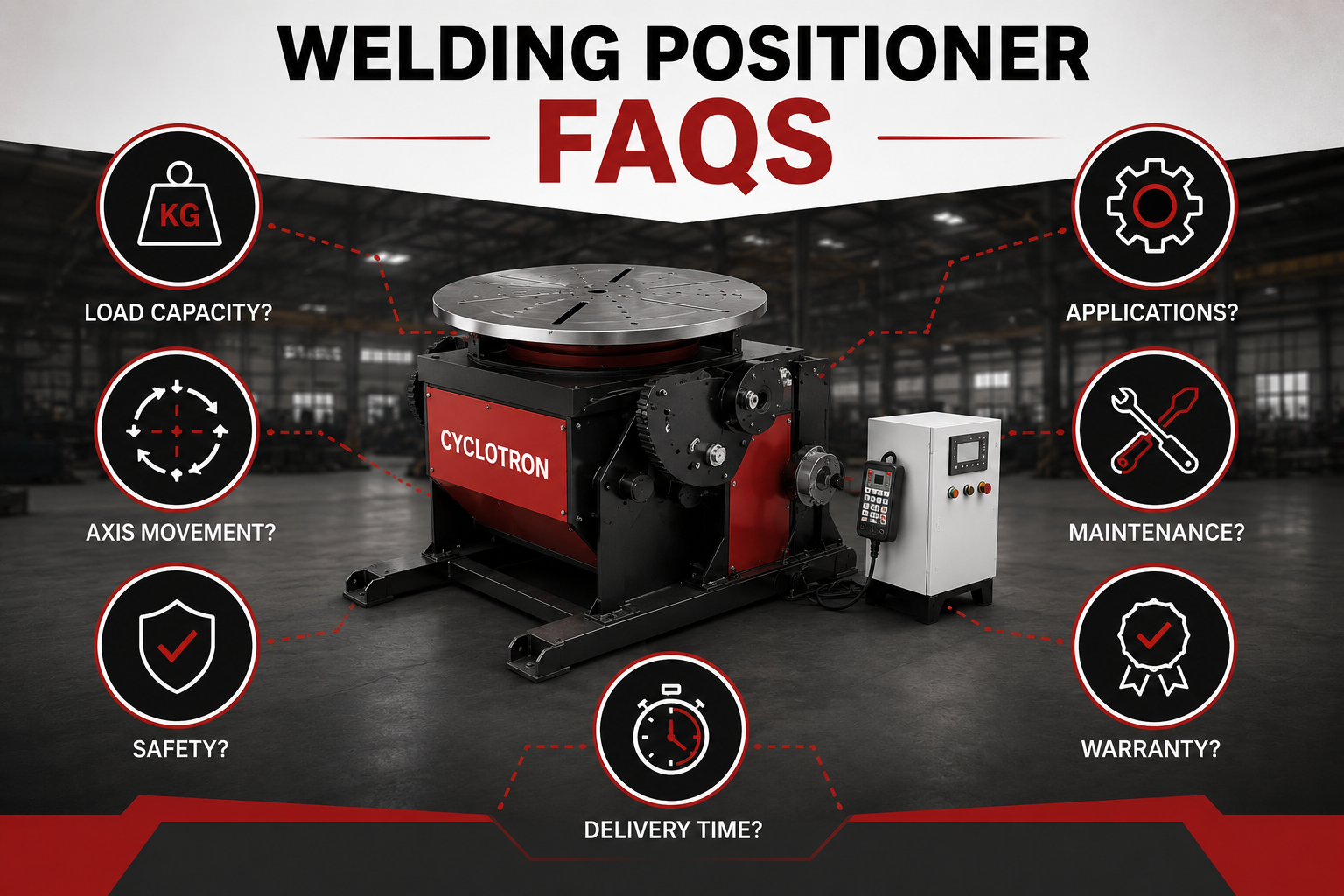
In this blog we will address all the commonly asked questions related to Welding positioners or Cyclotron Welding positioners specifically